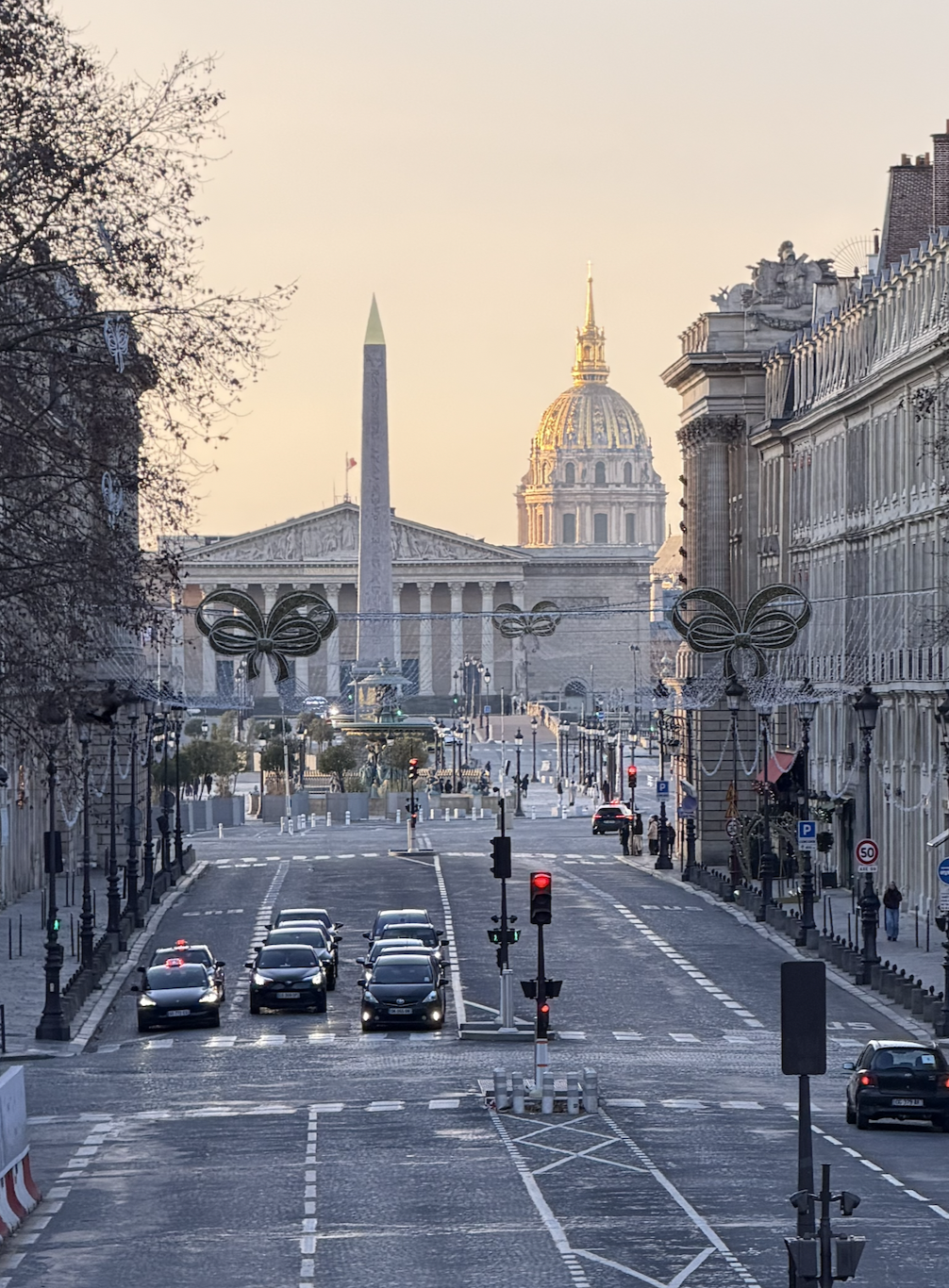
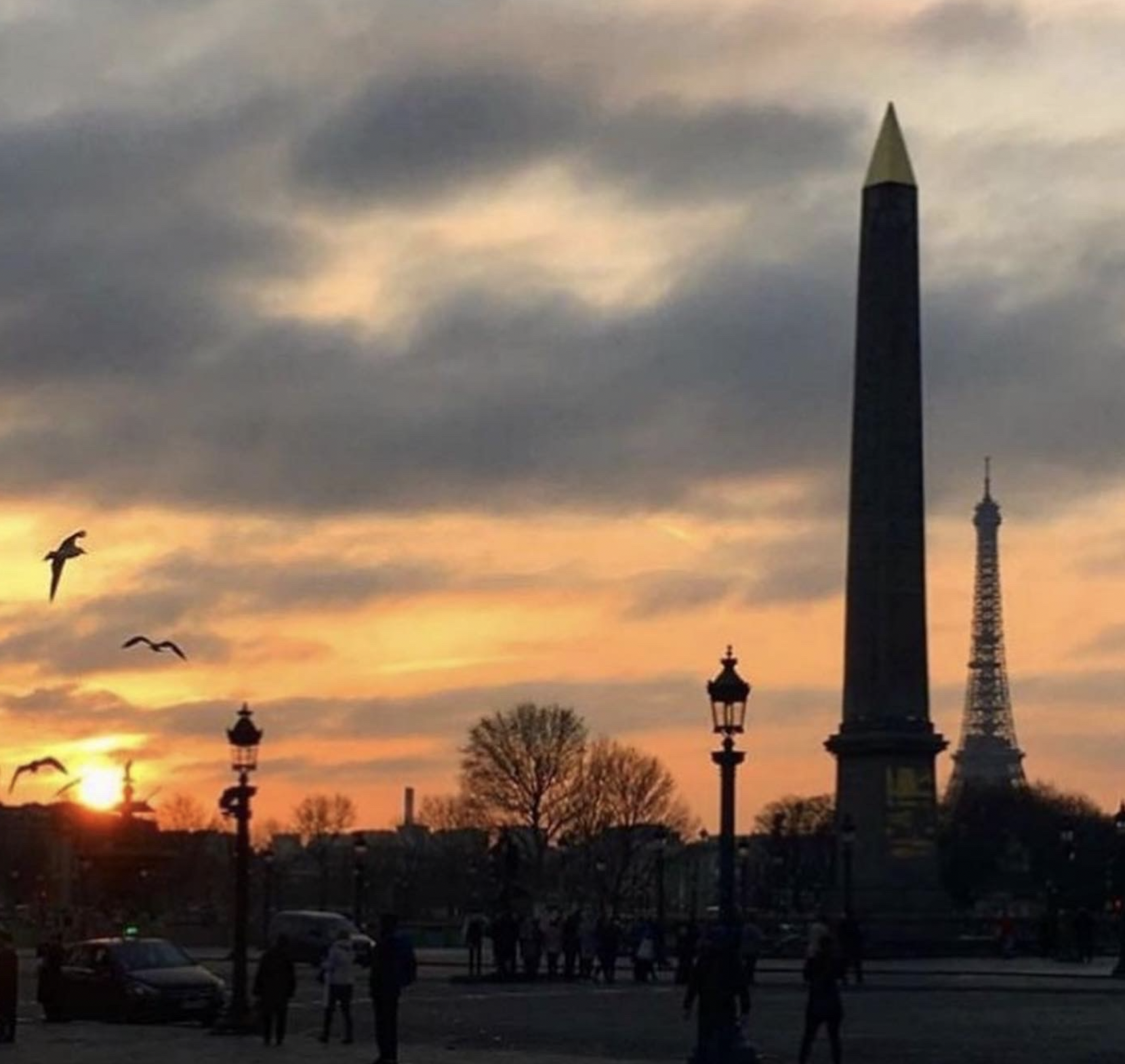
It rises from one of Paris's most symbolic places and predates the city itself. The Luxor Obelisk and its pair date back to the 13th century BC and were created at the request of Ramses II.
On October 25, 1836, 190 years ago this week, the long-awaited obelisk was erected and inaugurated by Louis-Philippe in the center of the Place de la Concorde, the virtual epicenter of Paris.
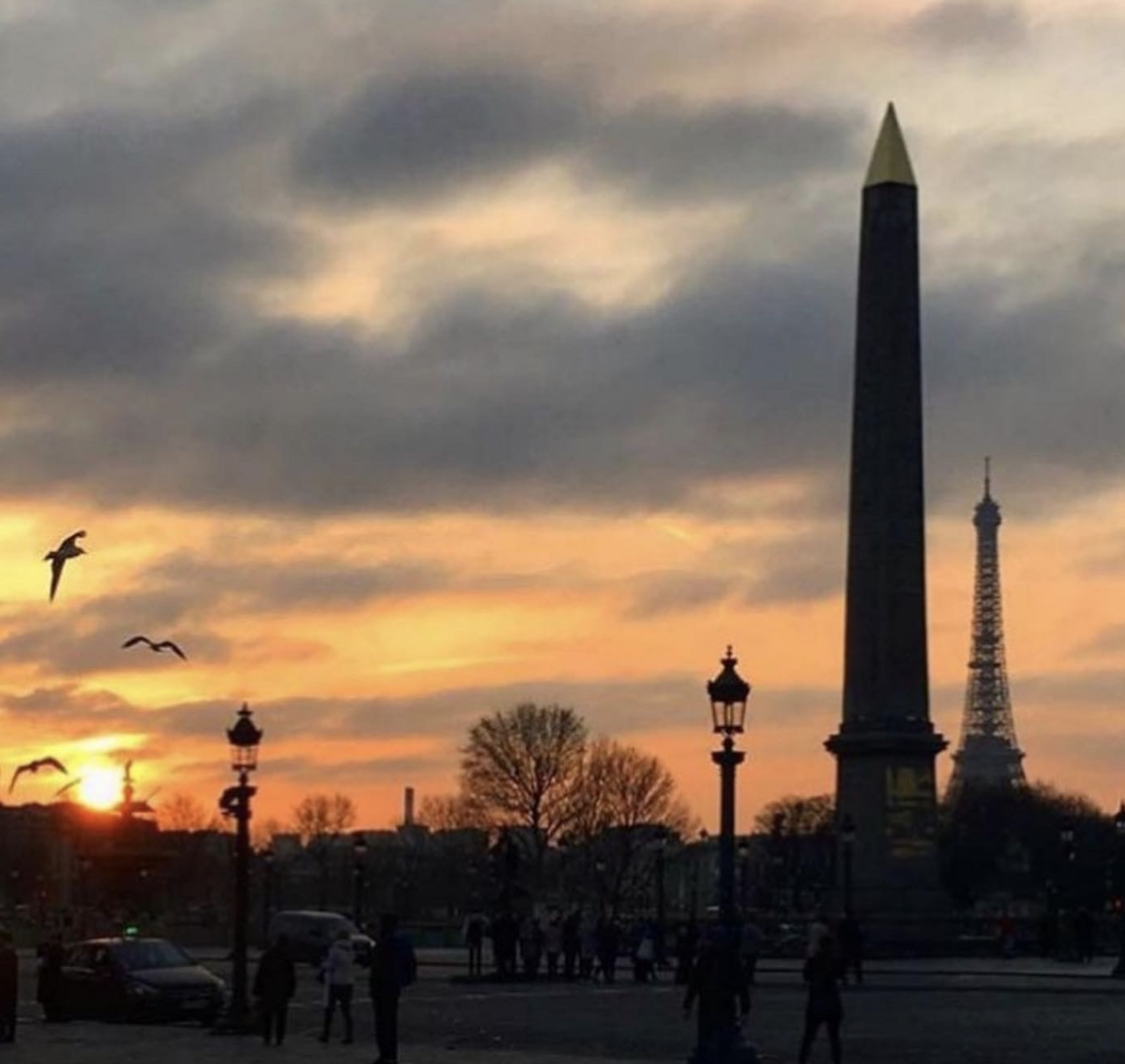
But how did it get here, and why? Well, that’s what I am here to share with you.
It all began with a handsome Frenchman, Jean-François Champollion.
Champollion, the man behind deciphering the Rosetta Stone, found his love of languages at a very early age. The youngest of seven children and raised by his older brother, Jacques-Joseph, he grew up with largely absent parents.
While his brother pursued a career as an archaeologist, he was sent to Abbé Dussert's school in Grenoble. At age 11, he discovered his interest in languages. Learning Greek and Latin first, then Ethiopic, Hebrew, Arabic, Syriac, and Chaldean. His abilities were quickly noticed, and Grenoble's prefect, Joseph Fourier, invited him to view special documents and artifacts.
Fourier joined Napoleon’s expedition to Egypt in 1799, when the Rosetta Stone was discovered. Upon seeing it, Champollion said he would be the one to discover its meaning.
To do so, he began to study Coptic, the modern Egyptian language, adding the final piece to his knowledge puzzle. Living in Paris and still working on the ancient stone, Champollion ran out his door at 28 Rue Mazarine on September 17, 1822, yelling, “I got it.”
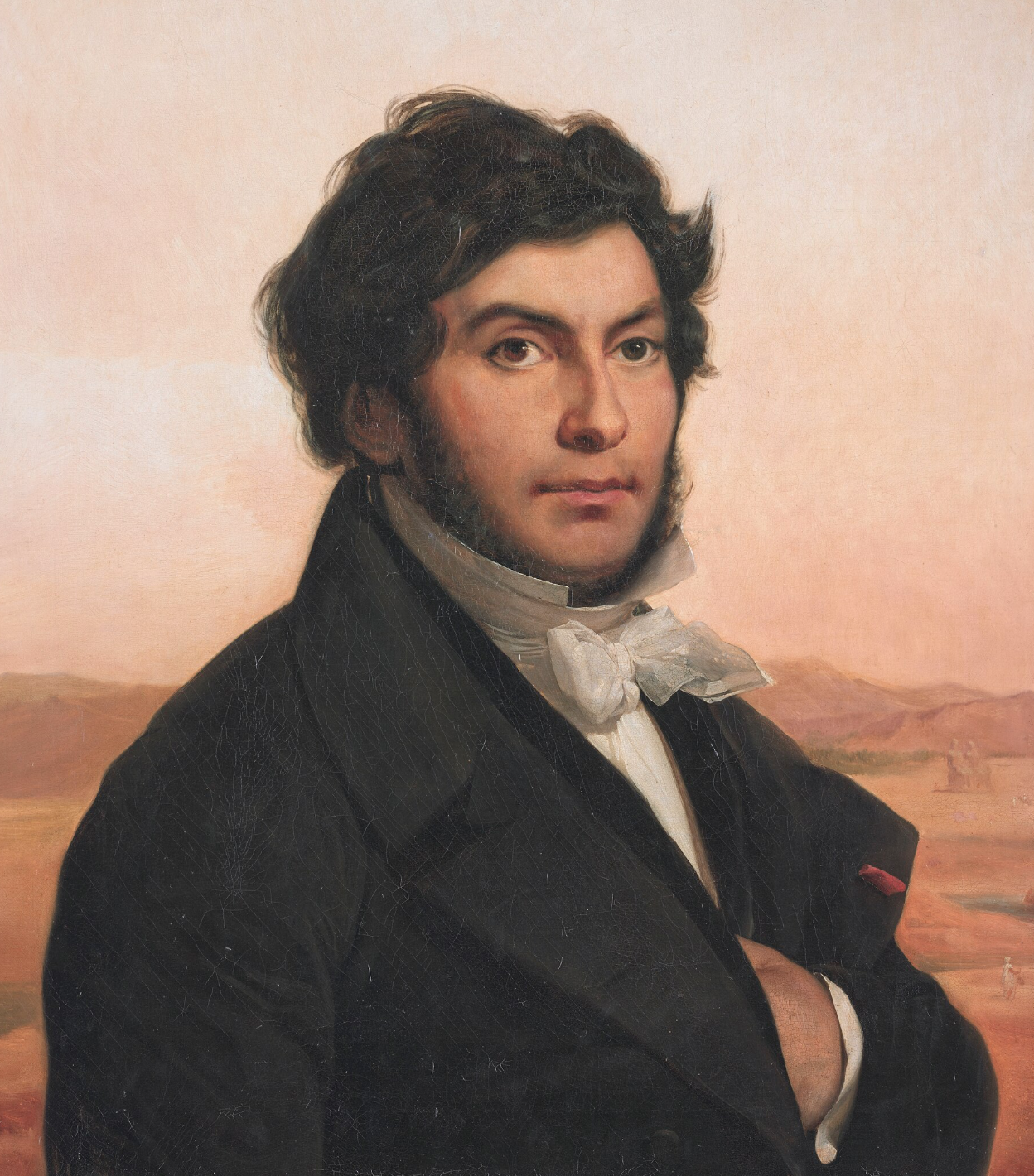
Four years later, Champollion was named the first curator of the ancient Egyptian collection of the Louvre by Charles X, 200 years ago this year, opening May 15, 1826. He and his brother created four rooms filled with Egyptian antiquities. Those rooms were on the ground floor, in the southeast corner of the Sully wing in the Cour Carrée; today, the collection stretches across the entire east end of the wing. His work at the Louvre transformed it from an art museum into a museum spanning civilizations.
In August of 1828, Champollion’s trip of a lifetime finally came when he visited Egypt for the first time. Heading up a scientific expedition organized by the French and the Tuscan government. With his Italian Egyptology bestie, Ippolito Rosellini, and others, he traveled the Nile and uncovered things he'd only known from drawings and artifacts.
Arriving first in Alexandria on the Mediterranean Sea, Champollion saw the obelisks dating to 1450 BC and took a fancy to them. They continued south down the Nile, and when they arrived in Luxor on November 23, 1829, it was love at first sight. Forget Cleopatra’s needles as they are known now and found in NYC and London; he was now focused on the Luxor obelisks with their tall, slender pink granite and carved details he knew so well.
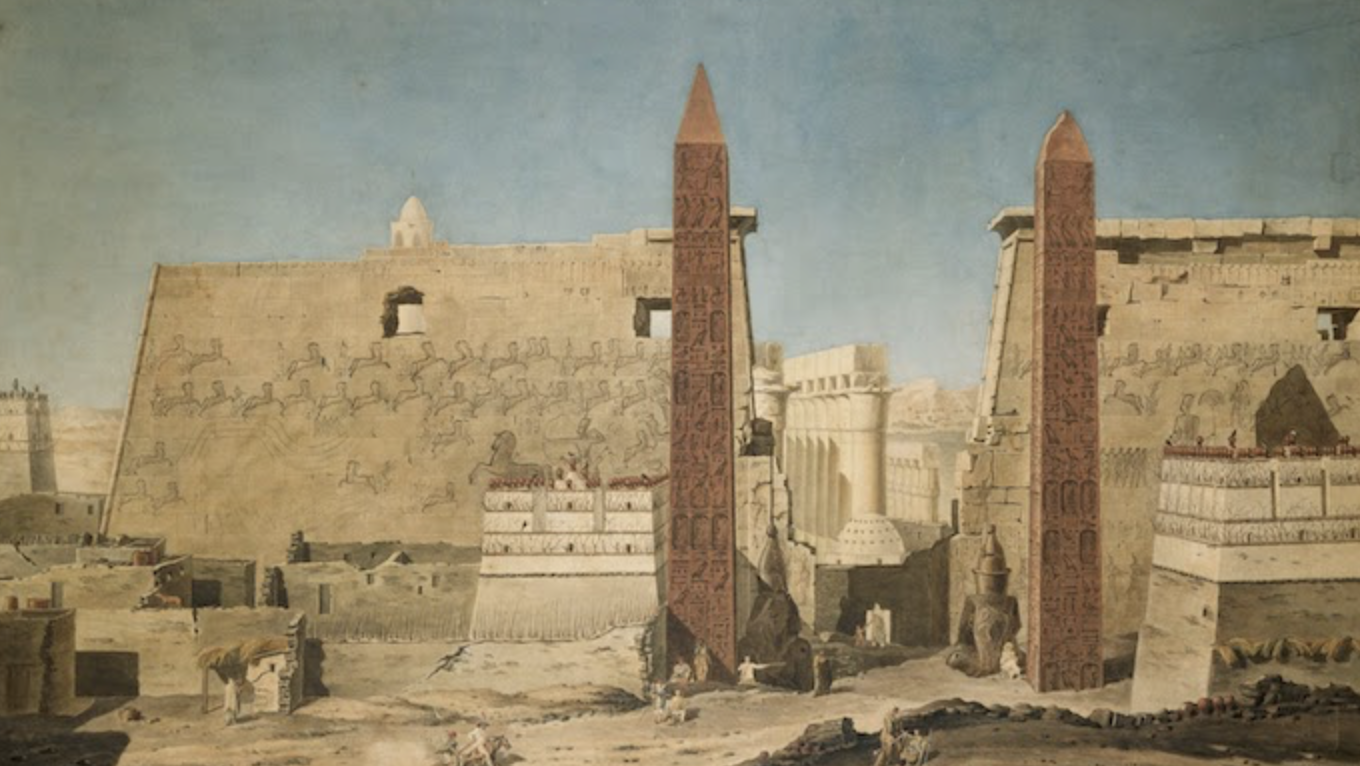
Upon meeting Mehémet Ali Pasha, Viceroy of Egypt, Champollion gave him a copy of his book Egyptian Pantheon, a collection of mythological characters from ancient Egypt. The Viceroy was a big fan of the Frenchman who deciphered their ancient language and, depending on the story you want to believe, in turn gifted Champollion and France two obelisks.
Negotiations followed, with other government officials joining in, including Isidore Justin Taylor. The playwright also dabbled in archaeology and loved antiquities. Charles X asked him to help negotiate the gift, so he sailed to Luxor and worked alongside Champollion.
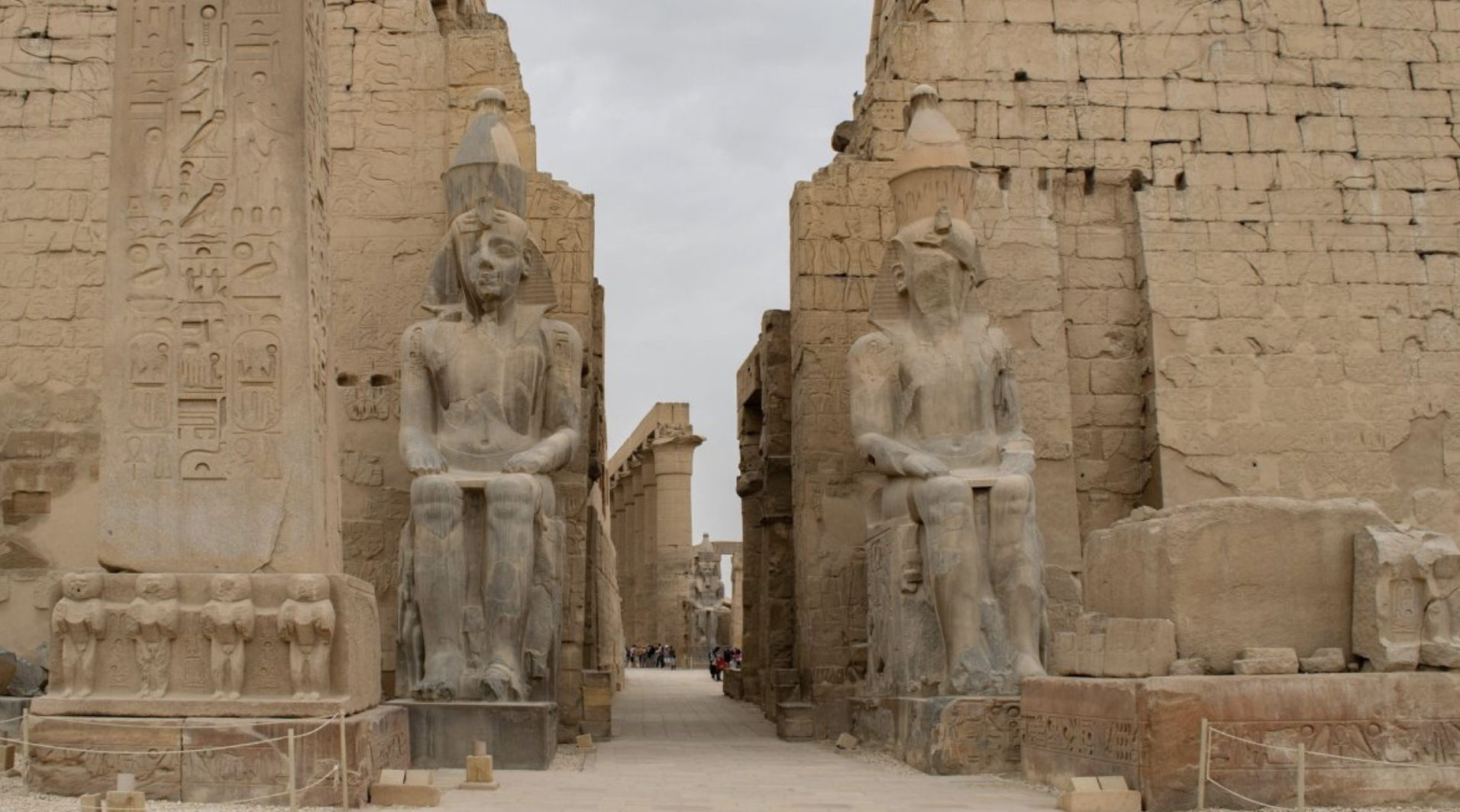
The Luxor Temple of Amon dates to the 14th century BC and was built as a place of worship to the Egyptian god Amon. A century later, Ramses II added new towers, the set of six massive Colossi, and the two obelisks.
The choice of the Luxor obelisks over the ones in Alexandria came down to aesthetics. The Luxor obelisks were in far better condition and slightly taller. They were sculpted from syenite quarried in Aswan, Egypt, 150 miles down the Nile. The pink granite has black and tan flecks and is known for its strength and durability.
A year later, Mehémet Ali officially gifted the pair of Luxor obelisks to France on November 29, 1830. The deal was pretty straightforward in Egypt; in France, they really had to convince people. The gift did not include packing or shipping, and was not covered on Amazon Prime. Talks began a year before, just after Champollion floated the idea.
Removing it was easier than figuring out how to get it back to Paris, a voyage that would include the Nile, the Mediterranean Sea, the Atlantic Ocean, and finally the Seine. With currents, sandbars, and bridges, the boat had many challenges. A plan had to be created before the French parliament would agree to what was going to be a very high price tag.
It was 1830, and France was hurtling toward a Revolution, one that would be immortalized by Eugène Delacroix in Liberty Leading the People. The government was at odds with King Charles X, so this deal had far more at stake than a gift from Egypt.
In the Provence city of Toulon, engineers Jean Baptiste Apollinaire Lebas and Jean Tupinier built a flat-bottomed ship made of five quilles, 43 meters (141 feet) long and 9 meters (29.5 feet) wide. With three masts that would later be removed, the ship also had to open up.
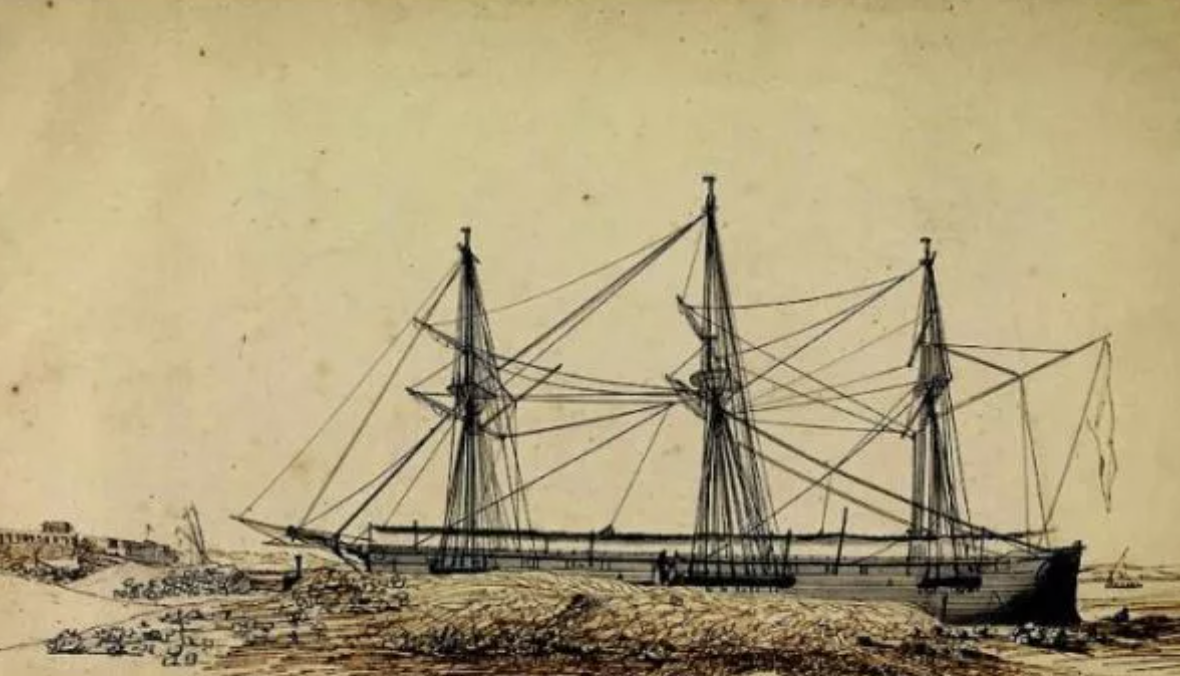
On July 26, 1830, the Luxor was christened and placed into the Mediterranean Sea; the next day, France would slip into the Three Glorious Days Revolution. (Listen to the past episode no. 29 for more. Louis Philippe, King of the French, took the throne on August 9, 1830, and later accepted Mehémet Ali's gift, ordering its transport back to France.
Lebas, instrumental in the ship's construction, took charge of the land operation and the obelisk's removal. On April 15, 1831, Lebas and 120 men set off for the long journey from Toulon to Luxor aboard the Luxor. Two months later, on June 15, they arrived in Alexandria, where they stayed two weeks before reaching Rosetta on July 7 and finally Luxor on August 14, 1831.
Once in Luxor, the plan to remove the obelisk was set in motion. Champollion settled on the western obelisk to be removed first. It was a tad bit shorter and in better condition, except for a crack found 8 meter/ 26 foot from the lower edge.
Meanwhile, the Luxor ship was pulled from the water, and the painstaking task of taking it apart began. The back portion of the ship was removed and a large ramp created that led right into the hull of the ship.
To fell the massive obelisk that weighed over 250 tons, a two-stage plan was created by Lebas that first wrapped the entire structure. 195 years ago this week, on October 31, 1831, with 200 men in place, the obelisk should have easily fallen while being controlled to the ground.
That was how it should have happened. During the first stage, the obelisk's center of gravity shifted, breaking a few anchored restraints, and it headed in the other direction and sank into the sand. It took over two weeks to shift the obelisk into a position where it could finally be removed.
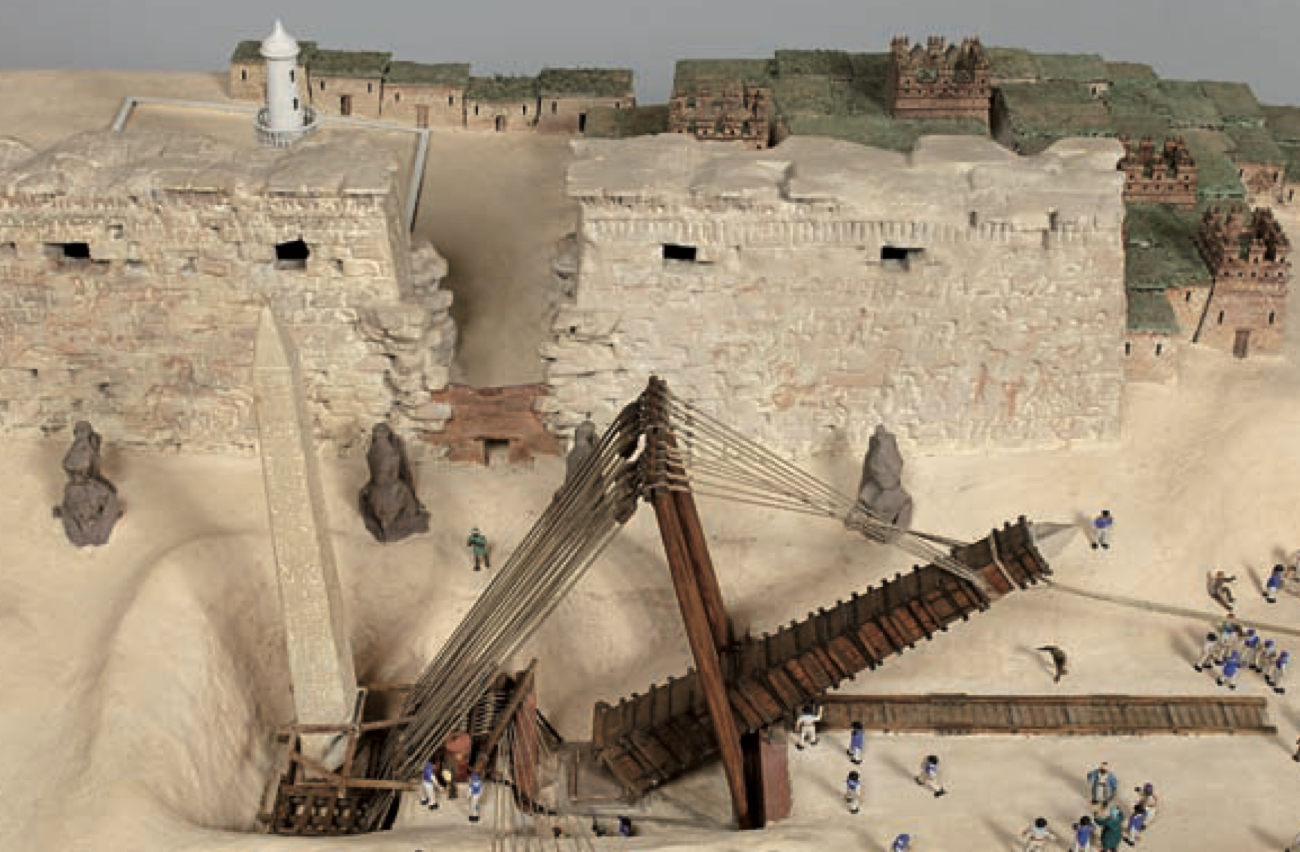
On December 19, 1831, they used four large capstans, axle-driven rotating machines each operated by twelve men, to slowly pull the large marble pieces onto the ship. On December 25, it was a Christmas miracle: the obelisk was loaded onto the ship, and now they had to reattach the ship's two pieces.
Ready to set sail, a new issue had arisen: the Nile itself. Raymond de Verninac Saint Mur had been appointed as the commander of the Luxor and was ready to return to the motherland, but the entire crew and obelisk would have to wait eight months.
On August 25, 1832, they finally departed, arriving in Rosetta on October 2, 1832, only to run into another problem: the Nile was now too low, and they couldn’t cross the large sand bar. This was far from a luxury cruise liner, and the accommodations were below basic. With one complication after another and little progress, they were forced to dock again, this time in Alexandria, from January 2, 1833 until the spring.
On April 1, 1833, they could finally kiss Egypt goodbye, now alongside the French steamship Sphynx. The first steamship built in Rochefort in 1829 awaited the Luxor's arrival in late winter 1833. The two ships arrived in Rhodes on the 6th, in Corfu on April 23, and finally in Toulon, where they quarantined for six weeks. The crew faced delays and weather, plus a plague or two and dysentery.
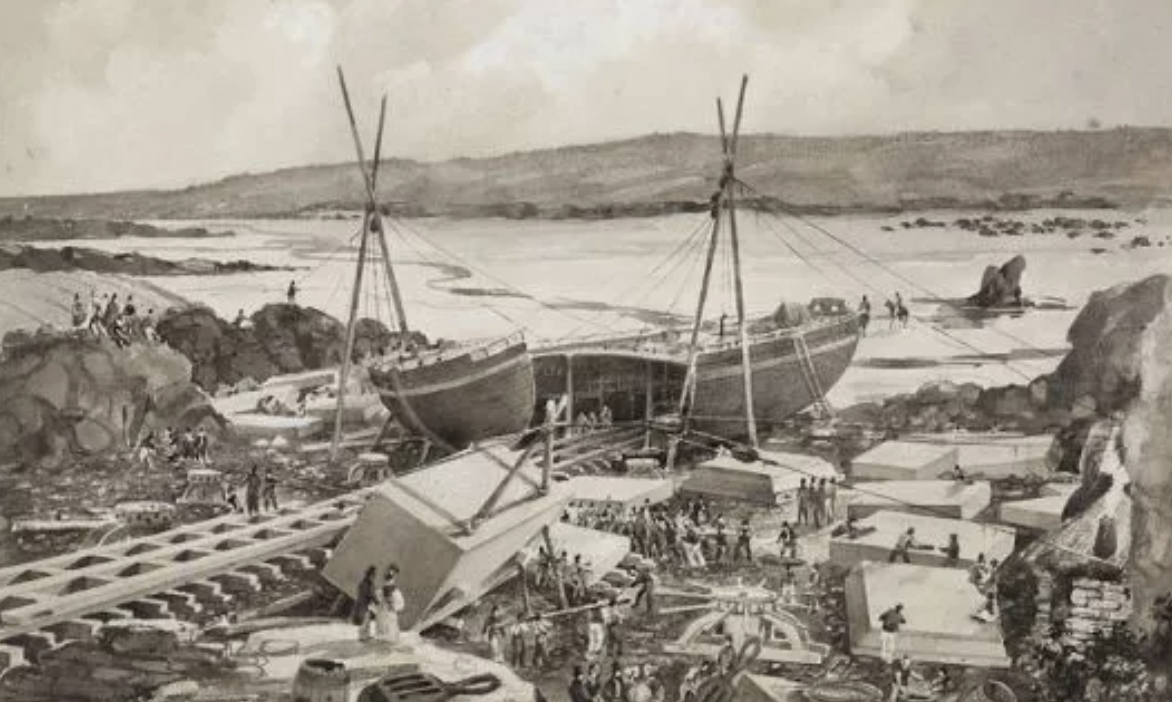
The next four months brought a grand tour of Europe, with stops in Gibraltar, Cap Saint Vincent in Portugal, and La Coruna in Spain; on August 12, 1833, the obelisk and its caretakers finally arrived in Cherbourg, France.
On September 2, 1833, King Louis Philippe arrived in Cherbourg, where he finally saw the massive stone obelisk that already had quite the adventure, and the story wasn't over yet. Lebas jumped ship and headed to Paris to prepare for the obelisk's arrival, which was going to take another three months.
From Cherbourg to Le Havre and the mouth of the Seine, the Luxor was joined by a smaller boat, La Héva, a steamship that would take it to Rouen. Once there, the Luxor was stripped of its three large masts, the top cut down, and anything that could be removed was, including more than half of its crew.
And here is where it gets fun. Without its sails, the Luxor wasn’t pulled to Paris by the horsepower of a steam engine; it was pulled by actual horses. Tied to the boat, horses walked along the banks of the Seine, pulling the ship to its final destination.
On December 23, 1833, two days shy of two years since it was loaded onto the Luxor, the obelisk was finally at its new home- well, almost.
Today, the obelisk sits in the center of the Place de la Concorde, but, of course, people debated where it should go. They finally narrowed it down to two places, the Concorde and Les Invalides. In July 1833, as they would with the Pyramid of IM Pei 150 years later, they built two models and placed them in both locations. In the end, you know where it ended up, but that wasn’t exactly done by a unanimous decision; it ended up being the only option.
As you know, this poor giant stone structure has already been through some things. Once in Paris, the Luxor was docked just below the Pont de la Concorde, and after its harrowing removal, loading, and voyage, they needed a ramp from the Luxor to the banks at the shortest possible distance. Place de la Concorde won.
The Place de la Concorde was once home to the guillotine and the death of hundreds, including Louis XVI and Marie Antoinette (check out episode 2 & 40 for more). After the Revolution, the First Empire, and the Restoration, Paris's squares and streets went through many name changes. The Place was once named for Louis XV, then the Revolution, and then Concorde.
Back at the Egyptian Luxor temple, the obelisk stood on a base of the same pink stone and was carved with friendly little primates. In fact, four naughty little baboons stood erect, in more ways than one. Once they were sent to Paris, they thought they were too pornographic. These aren’t perverted little monkeys; they are, in fact, sunning themselves in the morning glow.
The inscription between each baboon tells the tale of the four singing and dancing in the glory of the sunrise. I do love a sunrise, but I will leave the dancing to these four.
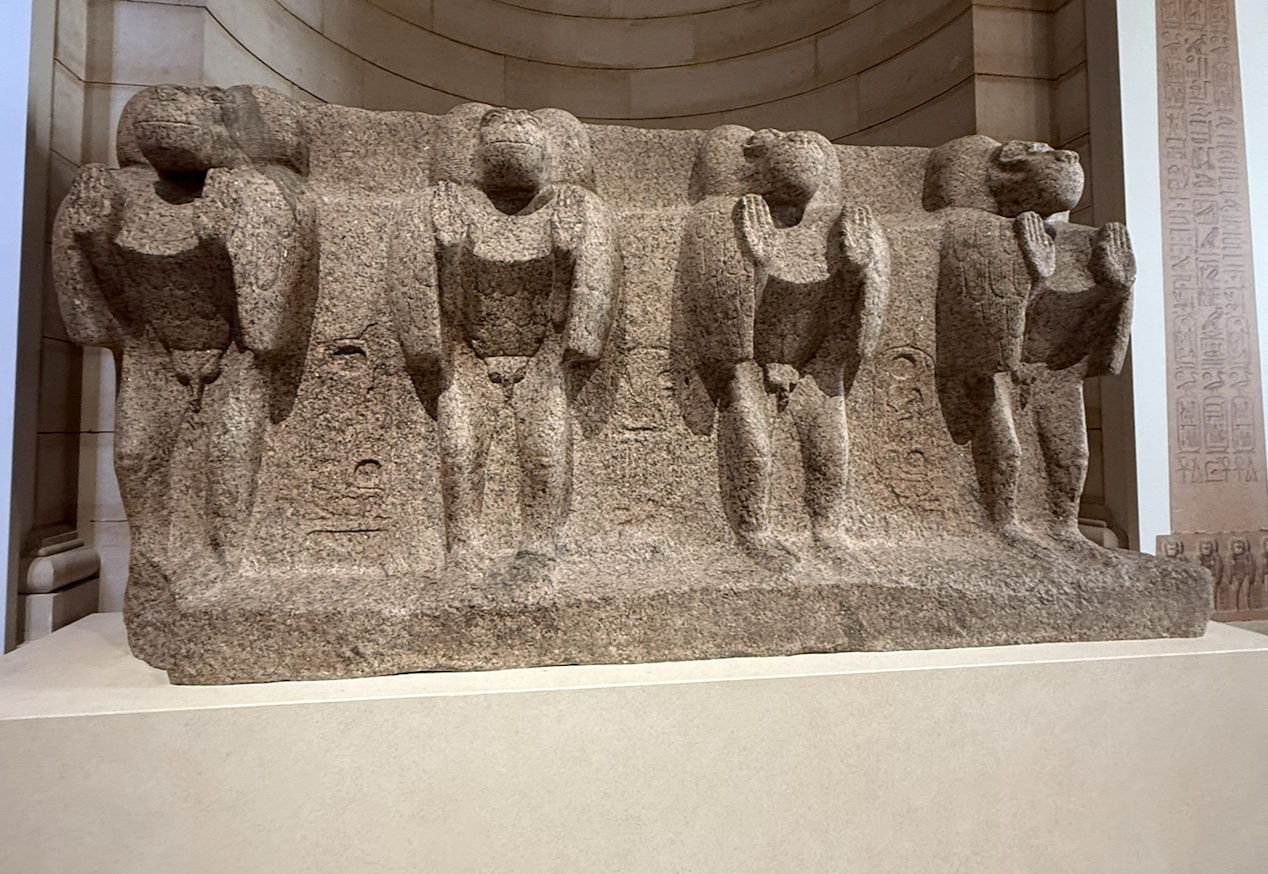
The two obelisks had the same bases, but the inscription varied. The one that remains at Luxor is “Ramses beloved of Amun,” and the one in Paris is “Ramses beloved of Atum”
While these cheeky little monkeys never saw the light of day on the Place de la Concorde, they aren’t very far. Take a straight line from the obelisk to the Musée du Louvre, head down into the lower level at the western edge of the Sully wing, and there, far from the light, you will find the base.
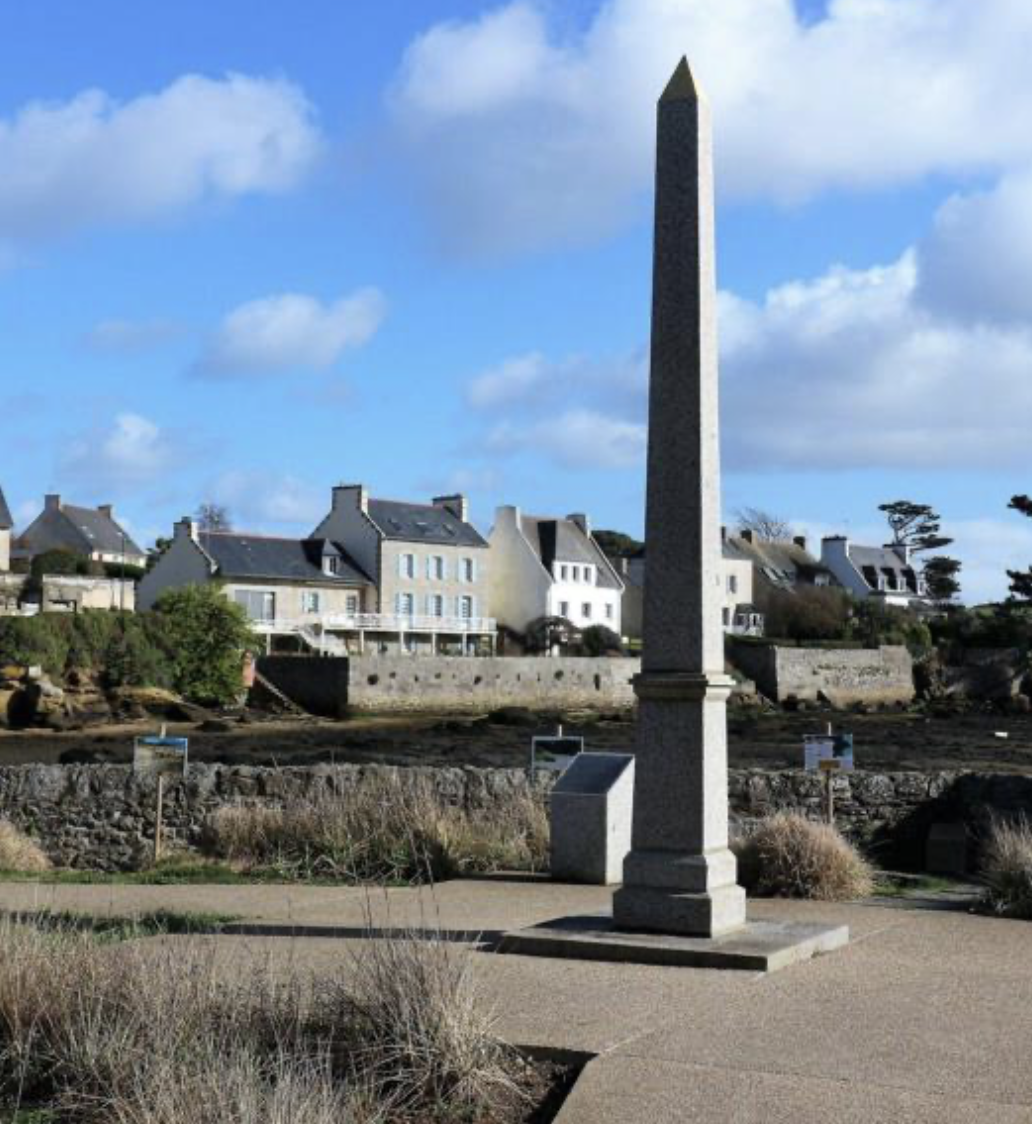
A new base was needed, so they dispatched the Luxor to Brittany for an important retrieval on September 5, 1835. They selected five large pieces of pink Breton Aber-IIdut granite, similar in color, and returned them to Paris. A closer look at the base today reveals black marks, or crapauds, meaning “toads”, natural reminders of the rock's history. To mark the event, a smaller version of the obelisk and base can be seen in the port of Aber-Ildut.
While the obelisk arrived at the end of 1833, it took three years to prepare the space, create the new base, and finally install the new Egyptian treasure. On August 16, 1836, it was finally moved closer to its new home.
The big day finally arrived on October 25, 1836. Everything was ready, and more than 200,000 people packed the area to see this monumental moment.
For weeks, Lebas and his team built the massive structure 29.5 feet high to match the height of the new base and installed the lifting cables attached to ten capstans operated by 350 men. At 11:30 am, Jean Baptiste Apolinaire Lebas held his breath as an orchestra played “The Mysteries of Isis” by Mozart.
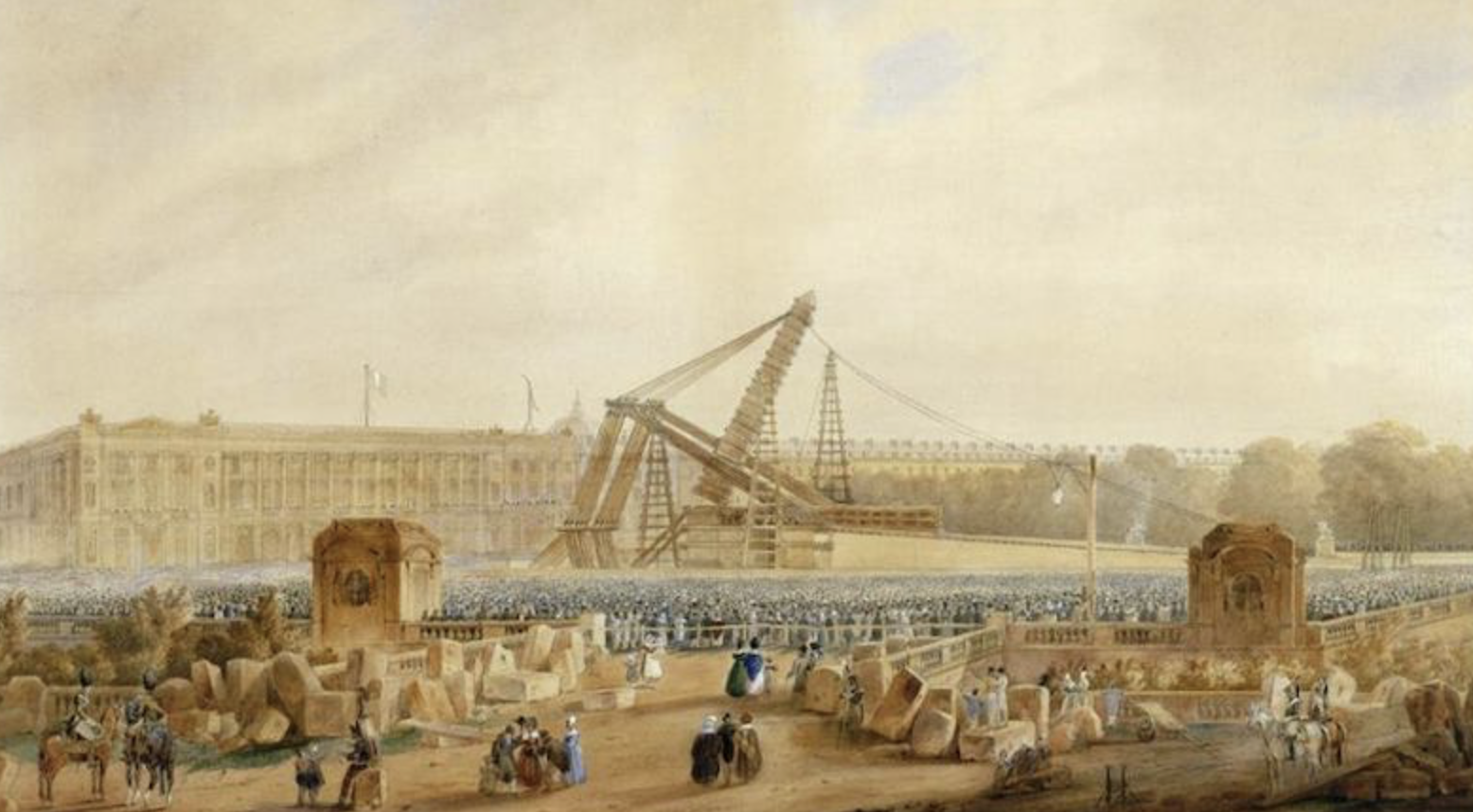
As the 250-ton stone obelisk was slowly raised, the crowd could hear the wood creak as the cables, bolts, and even the men stretched to their limits. Once it was off the ground, Lebas quietly stepped under the obelisk; if it fell, he would rather be crushed under its weight. Luckily for him, in just three hours, the Luxor monolith was united with its new base and triumphed over the Paris skyline.
On the nearby loggia of the Hotel de la Marine, King Louis Philippe watched from afar and, at that final moment, removed his hat, signaling his approval.
French sailors reached the top and hung a French flag, ending an eight-year voyage, but far from finished.
The base today offers a fantastic glimpse into the engineering marvels involved in removing and bringing the obelisk to Paris. Carved in 1839, the north side, carved and gilded, depicts the removal efforts, while the south side, facing the Seine, depicts its lifting onto this very spot. On the east and west sides, the inscription points to the men (of course) who made it possible.
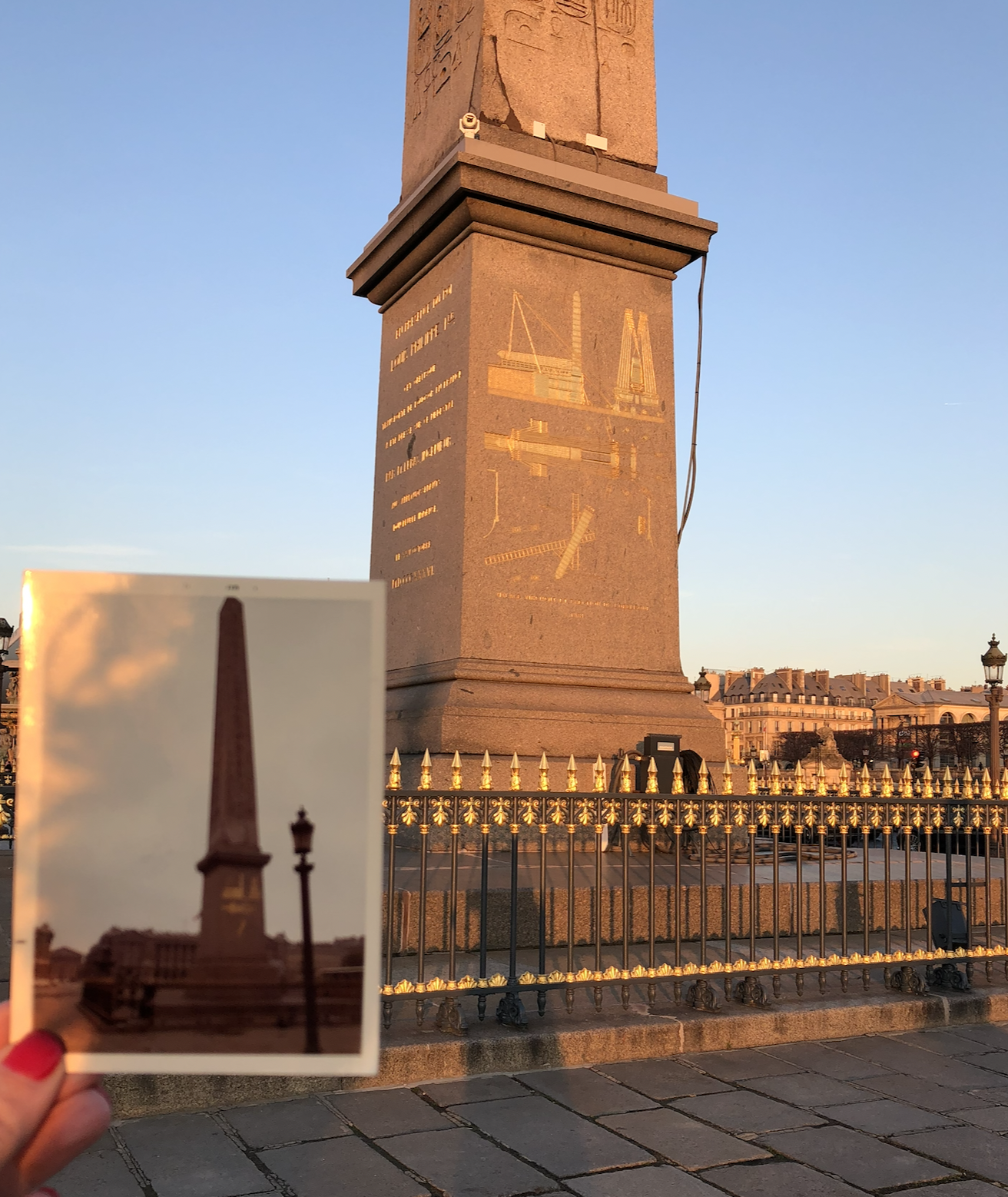
On the western side facing the Champs-Élysées
In the presence of King Louis Philippe I, this obelisk, transported from Luxor to France, was erected on this pedestal by Mr. Lebas, engineer, to the applause of an immense people, on October 25, 1836.”
On the eastern, Jardin des Tuileries
“Louis Philippe I, King of the French, in order to preserve for posterity this most ancient work of Egyptian art, and also a remarkable monument of the recent glory won by arms on the Nile, presented to France by Egypt itself, had the obelisk, removed from Thebes of the hundred gates on August 25, 1832, transported to Gaul in a ship constructed for this purpose, and erected on October 25, 1836, in the seventh year of his reign.”
It would take much longer for the beautiful gilded pyramidion to be added to the tippy top. The original top disappeared in the 6th century BC. It took a long time, a very long time, and it wasn’t until May 14, 1998, that a 3.60 meter / 11.8 feet high golden crown covered in rolled sheets of bronze and then gilded with gold leaf was completed in the Coubertin Foundry.
Although it still wasn’t finished. Worried at the time if the pyramidion had a pointed tip, it would become a lightning rod and the entire monument could be destroyed.
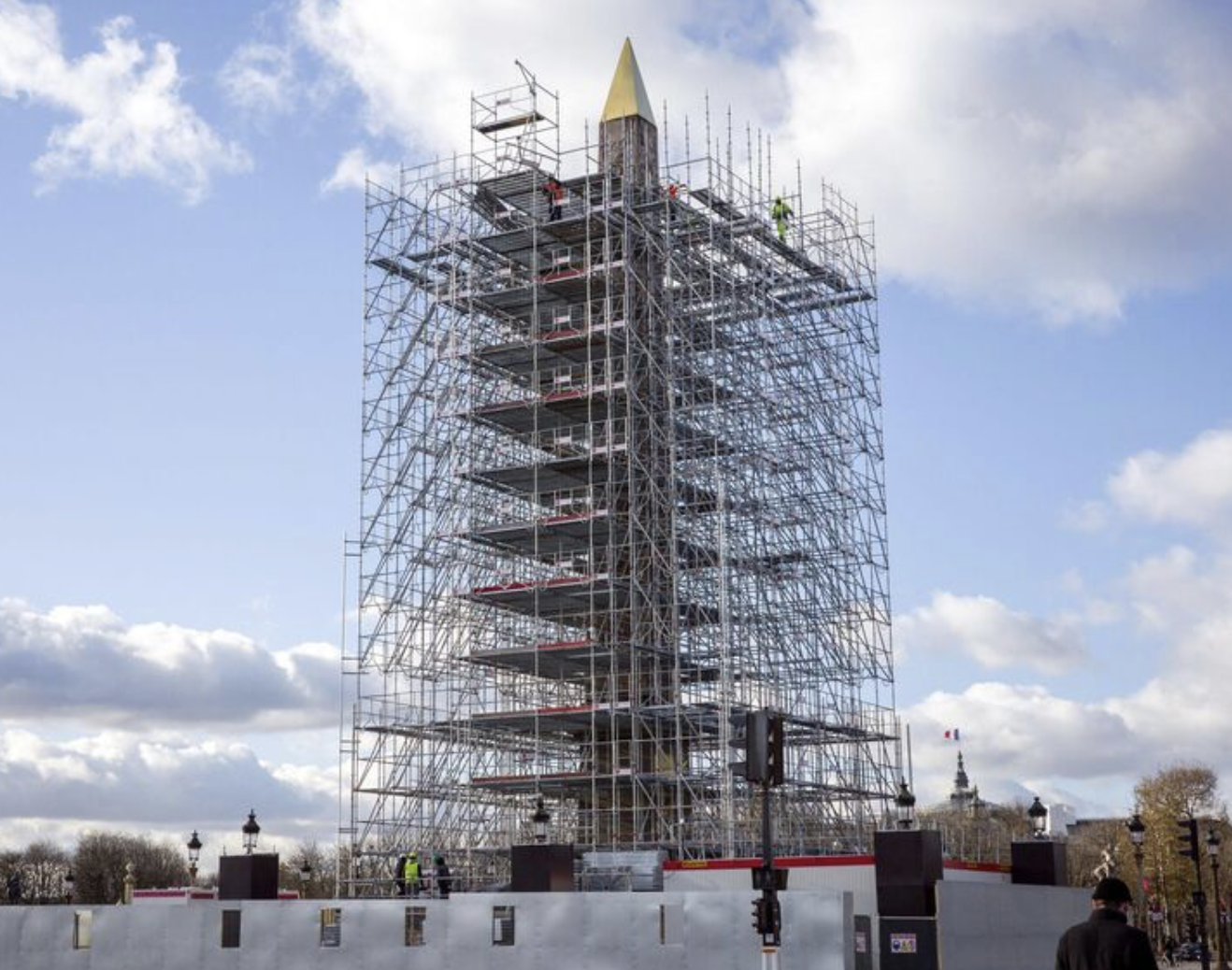
In November 2021, in preparation for the 2024 Olympics, it was decided the old gal needed a bit of cleaning. Although it dates to the 13th century BC, it was in fairly good shape and didn’t need a massive restoration, but a cleaning could also help preserve it for a few more years.
At a cost of a million euros, Karcher funded 90% of it. Using a micro-particle blasting method, they cleaned each hieroglyph and replaced any old caulking in small seams.
The cleaning and scaffolding also allowed the final point of the pyramidion to be installed once they figured out how to lightning-proof it.
On June 20, 2023, at 10 am ironworker Joanna Simon placed the new 6-inch-tall golden tip onto the awaiting rod and screwed it into place. One of the greatest traditions on construction sites, and one respected at Notre Dame every step of the way, is that the youngest member of the team, usually an apprentice, installs the last piece in any project. What an incredible way to begin your career.
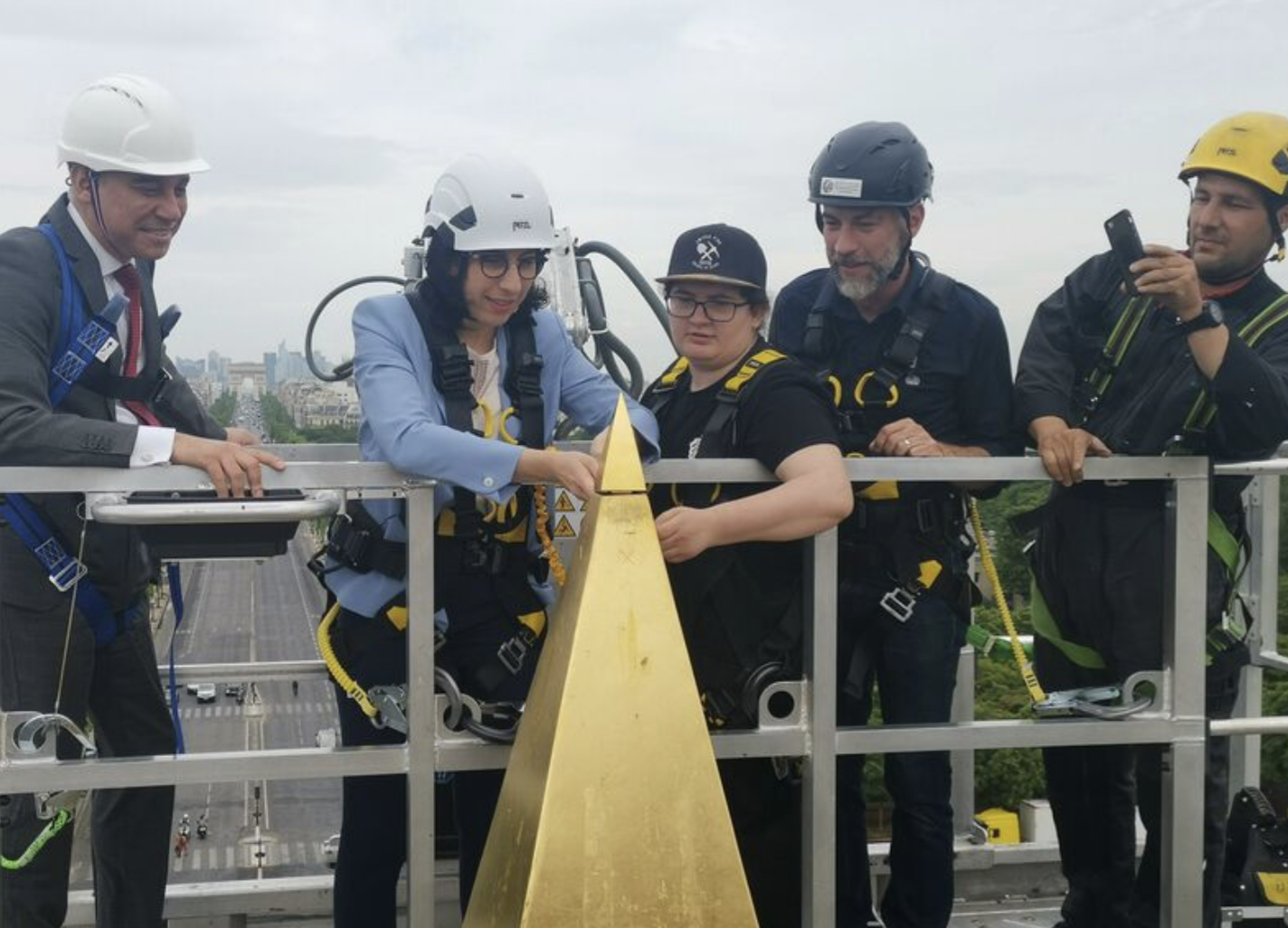
The obelisk itself in ancient Egypt was looked at as a “petrified ray of sunshine,” and the pointed tip is the link from the earth to the sky and the sun God Re. Good thing this was long after Louis XIV's death, or the carvings of Ramses II would have had little curly wigs added.
The Atelier Saint Jacques, which created the pyramidion in 1998, was asked to make the final tip. It doesn’t come to a sharp point, as they worried about pigeons being hurt when they stop to enjoy the view.
On behalf of my pigeon Pierre, I thank them.
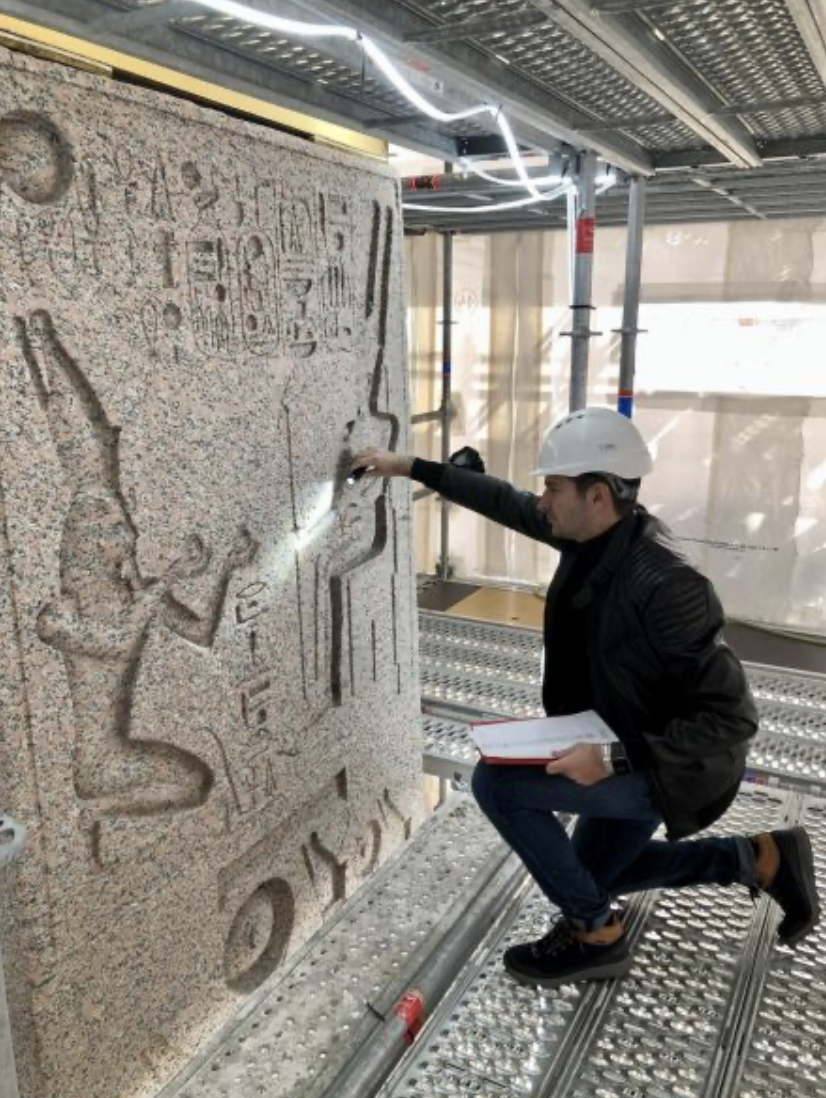
Although it has been a part of Paris for 190 years, the obelisk still has stories to tell. In April 2025, French Egyptologist Jean-Guillaume Olette-Pelletier uncovered seven hidden messages. Hidden in that they could only be seen from a certain angle. Referring to the glory of Ramses II and divine power.
The 2022 restoration allowed researchers and Olette Pelletier to get closer to the markings. The massive scaffolding surrounding the monument was the perfect opportunity to decipher the hidden message.
"In the Pharaonic tradition, the king is a god on earth. He is the successor of the falcon god Horus, and it is as Horus that he begets his heir, brought to rule over Upper and Lower Egypt," says Jean-Guillaume Olette-Pelletier. "However, when Sethi I ascended the throne, Ramses II was already a teenager and therefore could not enjoy this divine birth."
In the year 2 of his reign, Ramses II changed his name: then baptized Ousermaâtrê, "the powerful and just of Rê", he added Setepenrê, "elected of Rê", thus creating a direct ancestry with the sun god Rê." This modification is inscribed on the faces of the Concorde obelisk, since both names are found on it. This detail makes it possible to date his engraving, which was therefore made in 2 phases: one before year 2 of his reign, and the other just after."
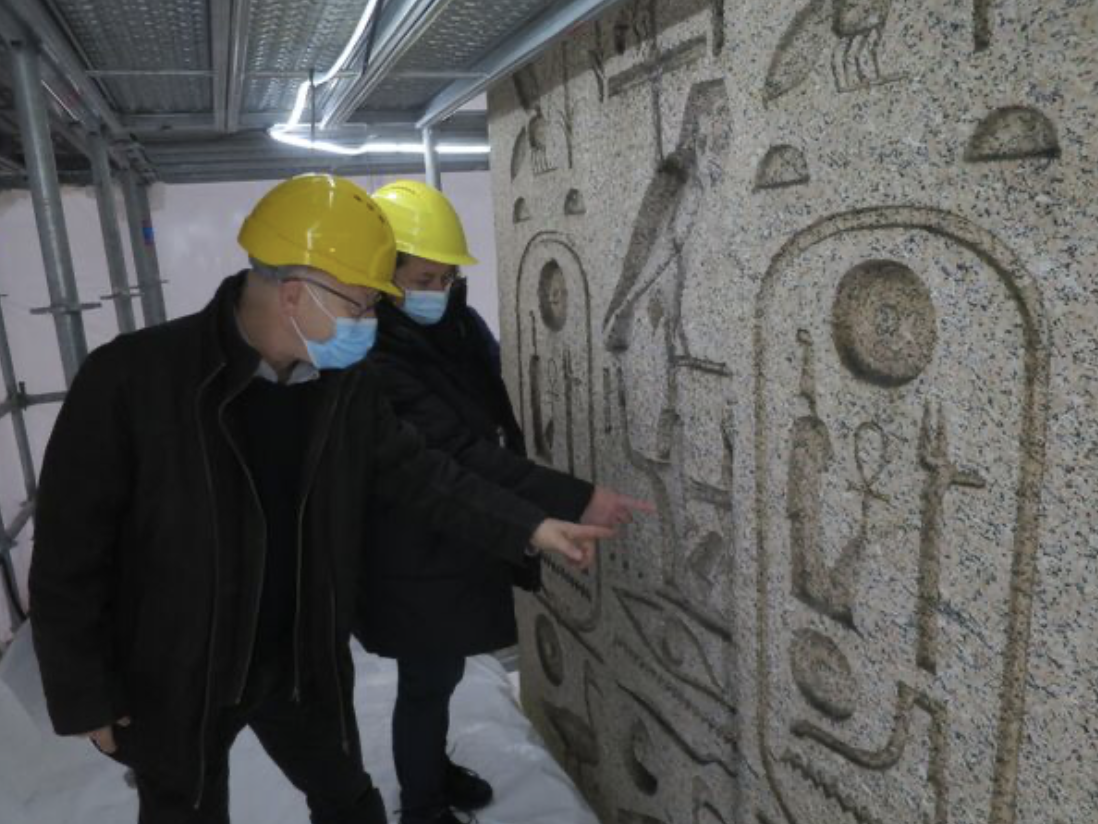
It was Olette-Pelletier’s quiet walks during COVID lockdowns that gave him the solace to notice the somewhat hidden message. On the side of the Seine, which also faced the Nile, the message was visible at a 45-degree angle. An angle that would not have been visible from the land at the time of its creation, only from the Nile.
The language of hieroglyphics included another layer of cryptography that today only a handful of people in the world know; where is Champollion when we need him? In the time of the pharaohs, only the royal and elite knew this level of language. Thus, the message on the riverside would have been visible to those arriving by boat at the temple for the annual Opet festival. The message reminds them that Ramses II was chosen by God and had absolute sovereignty.
On the northern face, Olette-Pelletier also discovered a hieroglyph hidden within Ramses II's crown. It's such a small detail that it would never be visible from the ground today without binoculars.
When the obelisk was given by Mehémet Ali, he asked for one thing: a clock. Louis Philippe obliged and sent a clock in 1846 to be installed in Mehémet Ali's Shubra Palace. It sat in storage for ten years until it was placed in Cairo's citadel, but it never worked. It was repaired twice, ticked away for a few hours, then stopped. On September 16, 2021, the clock was finally repaired, and all reports say it's still working today.
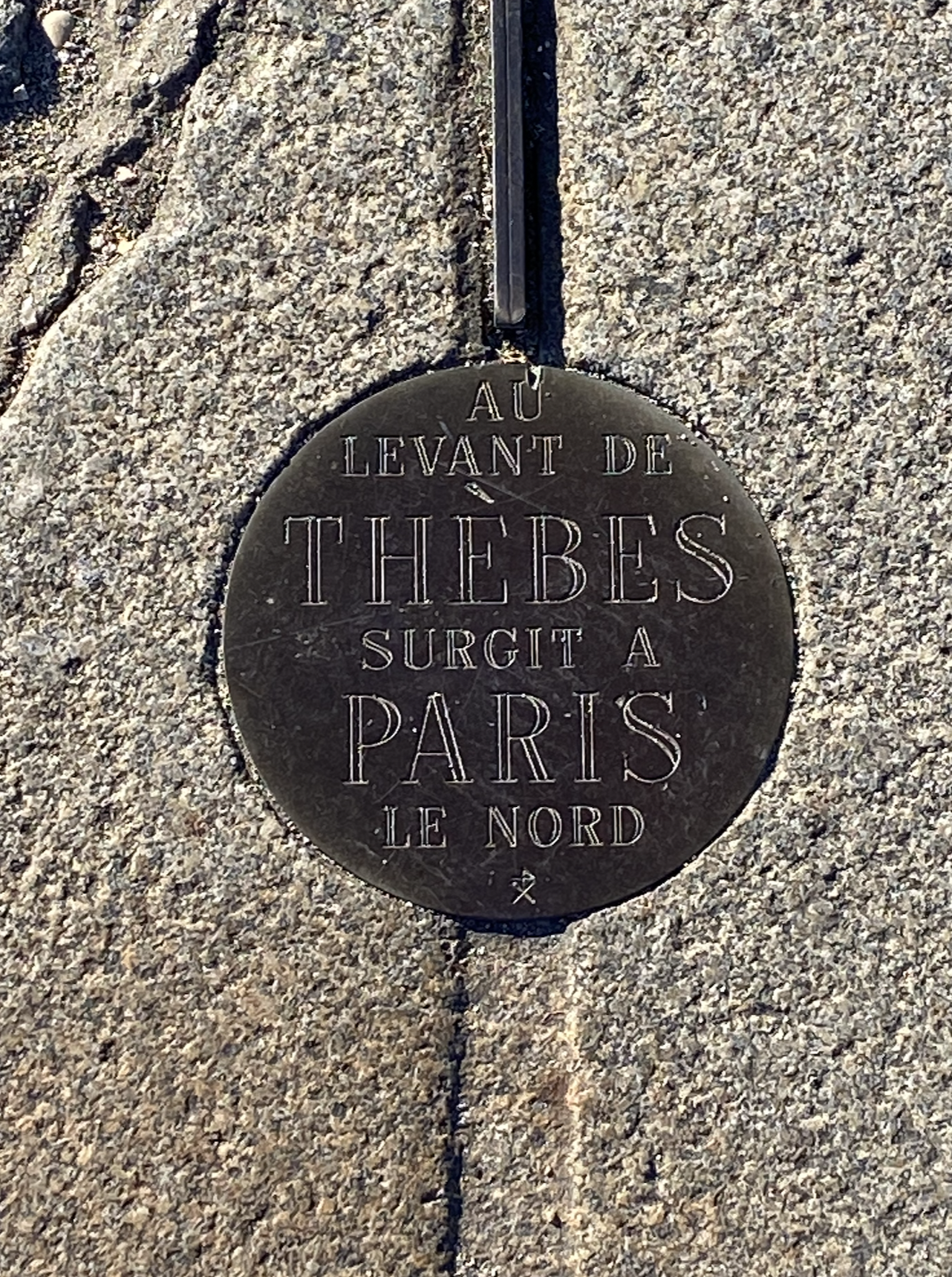
But did you know the Luxor obelisk itself back in Paris can also tell time?
If you walk around the Place de la Concorde, past the statues of the great cities of France, and look down, you may notice Roman numerals on the ground. In 1913, astronomer and founder of the Société Astronomique de France Camille Flammarion wanted to build the world's largest sundial at this very spot. Plans called for using the Obelisk as a gnomon, but they were postponed twice due to the World Wars.
Flammarion would never see his vision come to life. In 1999, at the advent of the millennium, Philippe de la Cotardière and Denis Savoie– members of the Société Astronomique– presented the idea to the city of Paris. Mayor Jean Tiberi enthusiastically agreed, and on June 21, 1999, he was present as the finished sundial was inaugurated. It was meant to remain until 2001, but like the Eiffel Tower, it has stood the test of time. A few of the Roman numerals can still be seen, and on a clear sunny day, the Obelisk will help you find the time.
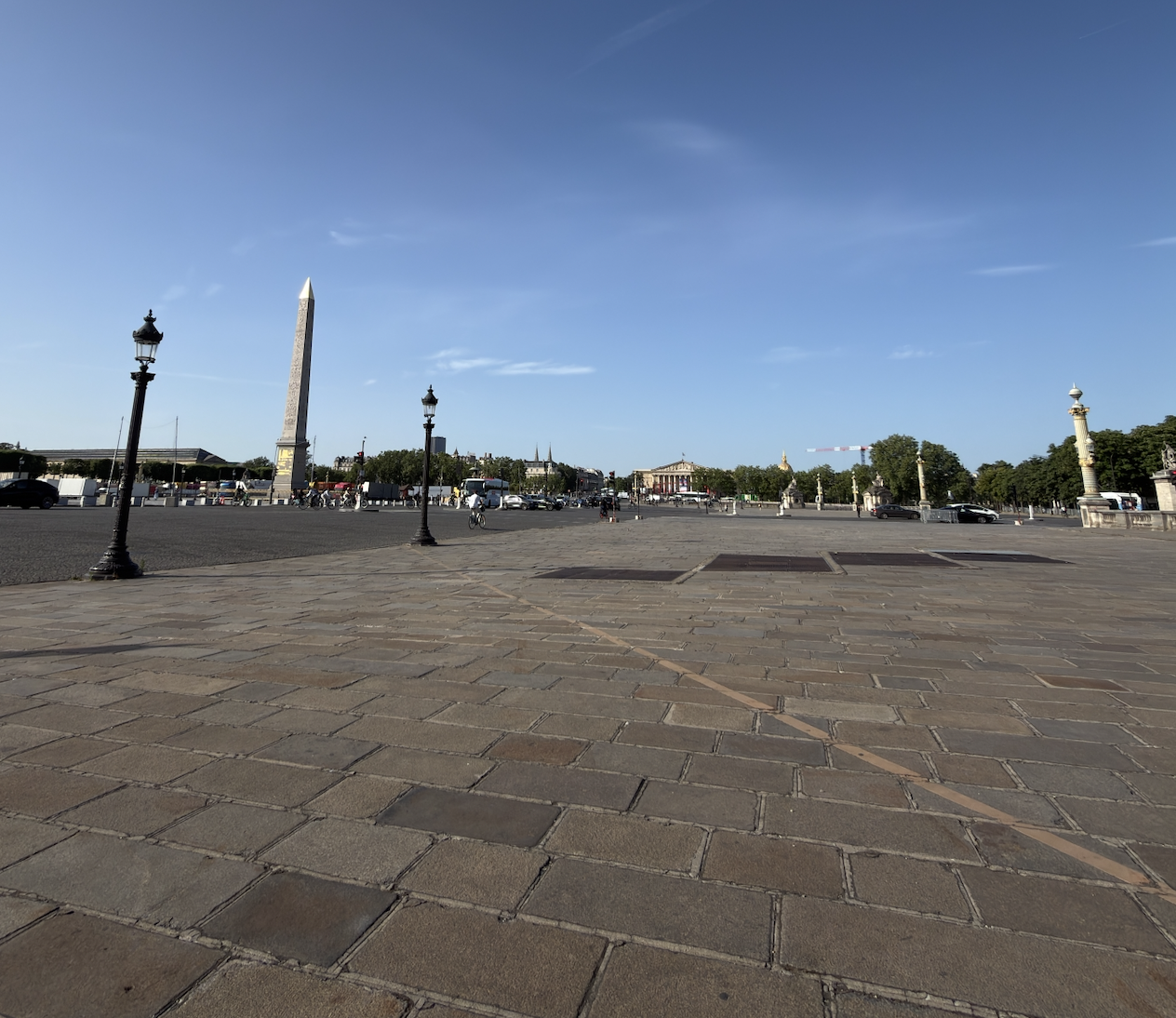
The Obelisk's location at the center of the city's largest intersection made it one of the most symbolic and ancient monuments, untied to any former French king, and a perfect symbol for the future.
he obelisk sits on the historic Axis line that runs through the center of Paris beginning at the statue of Louis XIV in the courtyard of the Louvre. Although the axis dates to the 17th century, monuments were added along the line in the 19th century, linking history forever.
However, a shorter axis runs north to south, with the obelisk at its center. To the north is the Madeleine church, built in the 18th & 19th centuries. A beautiful church that also holds a piece of Marie Madeleine herself.
And on the south side, just over the Seine, the Palais Bourbon. Built for Louise-Françoise de Bourbon, illegitimate daughter of Louis XIV and Madame de Montespan. After the Revolution, the Palais Bourbon became the property of the government and eventually the home of the National Assembly, which still resides there today.
The obelisk becomes the center of the scales that balance the church to the north and the state to the south.