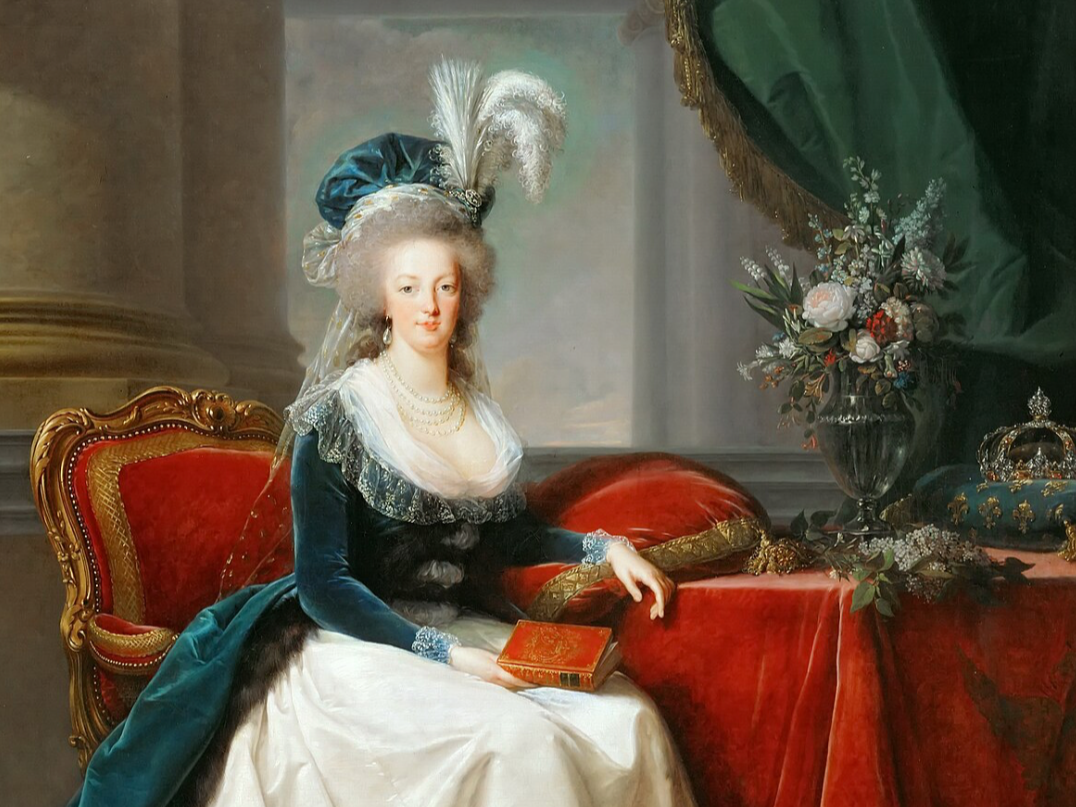
On October 16, 1793, the blade fell and ended the life of Marie Antoinette. Today, 233 years later, she remains one of the world's most popular figures. Today, two exhibits dedicated to her stand outside Paris, and stacks of books about her sell in nearly every bookstore worldwide.
Of course, the myth of the former queen often expands far past who she really was. And in this day and age, when people rarely have an attention span past 20 seconds, the memory of who Marie Antoinette was is constantly changing.
Marie Antoinette Josephe Jeanne was born in Vienna on November 2, 1755, and was the 15th of 16 children of Empress Marie Theresa and Francis I, Emperor of the Holy Roman Empire.
François I died on August 18, 1765, placing his son Joseph II on the throne, but Empress Marie Theresa made the moves and pulled the strings. Marie Therese hoped to finally unite France and Austria and end years of conflict, something her husband was against. Before his death, little Marie Antoinette spent her days at Schönbrunn Palace running and playing with her brothers and sisters.
Two years later, at age 11, Marie Therese worked to unite her daughter with the next king of France, the Dauphin Louis-Auguste. After the Seven Years’ War, Austria and France finally united to fight Great Britain and Prussia.
Louis XV had a few stipulations: she must speak French, and he was concerned about her style, teeth, and hair. After dispatching Father Vermond to Vienna to work with the future queen, the court announced in February that she would marry the heir to the French throne. Marie Antoinette’s mother was strong-willed and tried to instill the virtues her daughter needed to be a queen. The young lady, still essentially a child, was reluctant to participate and had a short attention span for anything she didn’t like, a problem that would haunt her until her last days.
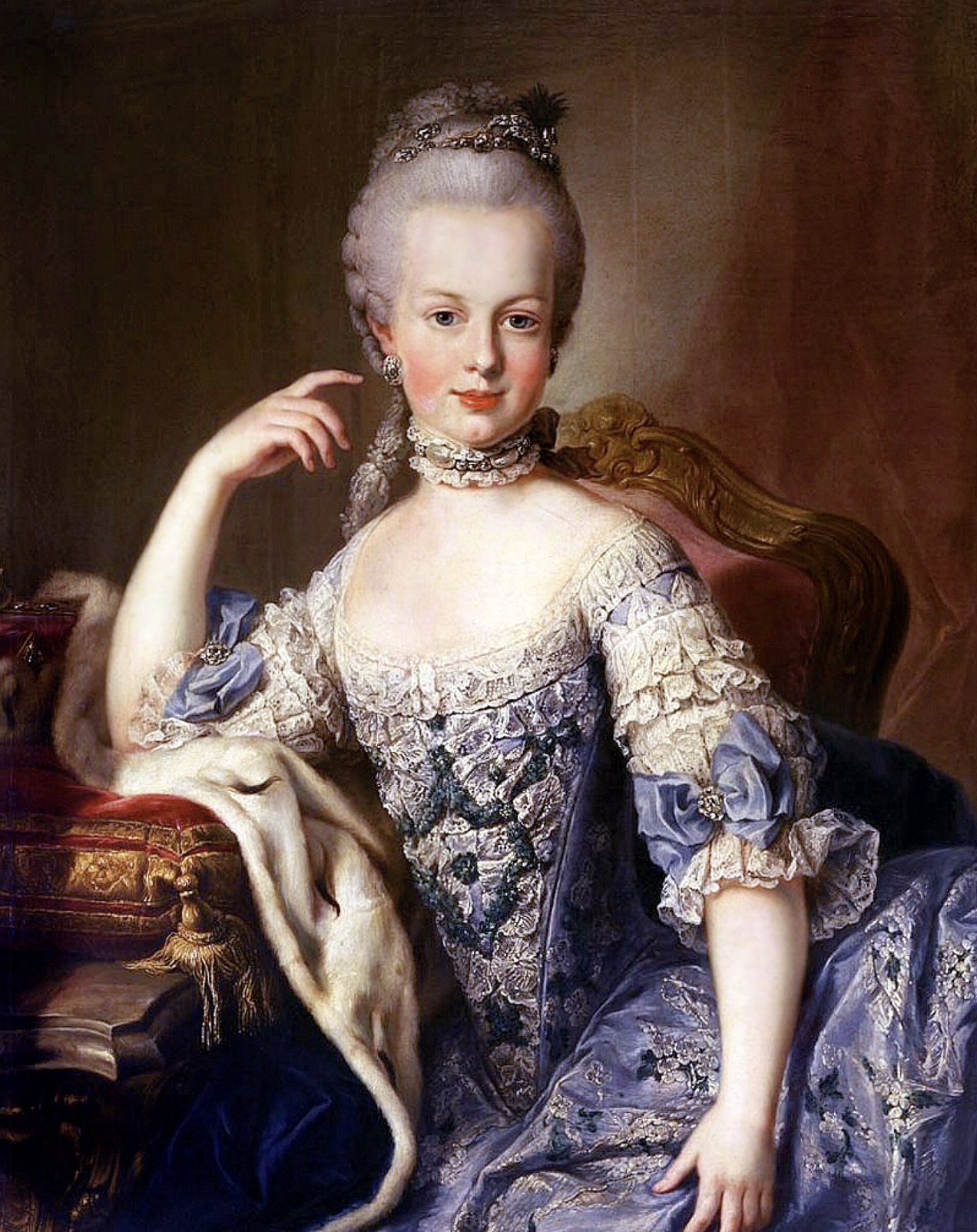
Marie Antoinette, post glow up at 13
On April 17, 1770, Marie Antoinette renounced any ties to the Austrian throne, just two days before her marriage by proxy. In the early morning of April 21, now 14 years old, Marie Antoinette left her family, home, and life behind and headed towards France.
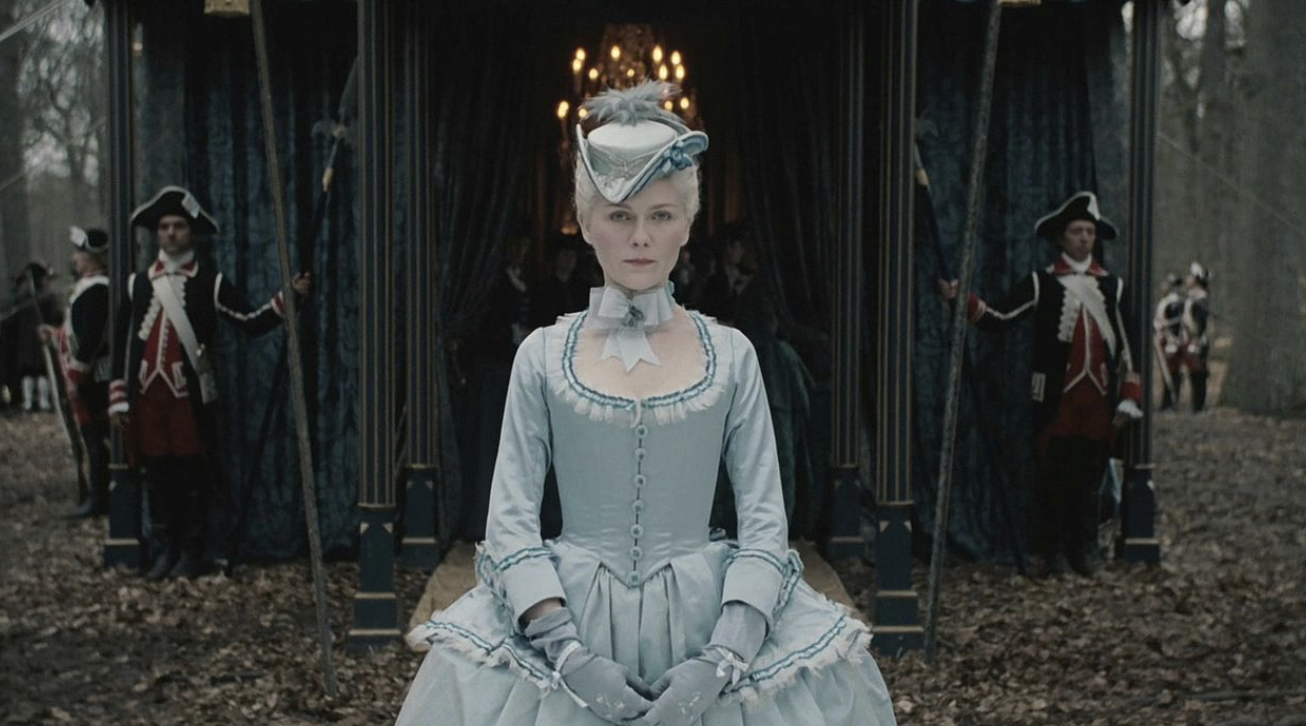
On May 7, after two weeks of traveling, Marie Antoinette and her procession arrived in the city of Kehl, Germany. Sitting opposite Strasbourg, separated by the Rhine, was the perfect place to mark the exchange. Dating back to the Ancien Régime of the 15th c., the surrender of the wife ceremony had to be a frightening moment for the teenager.
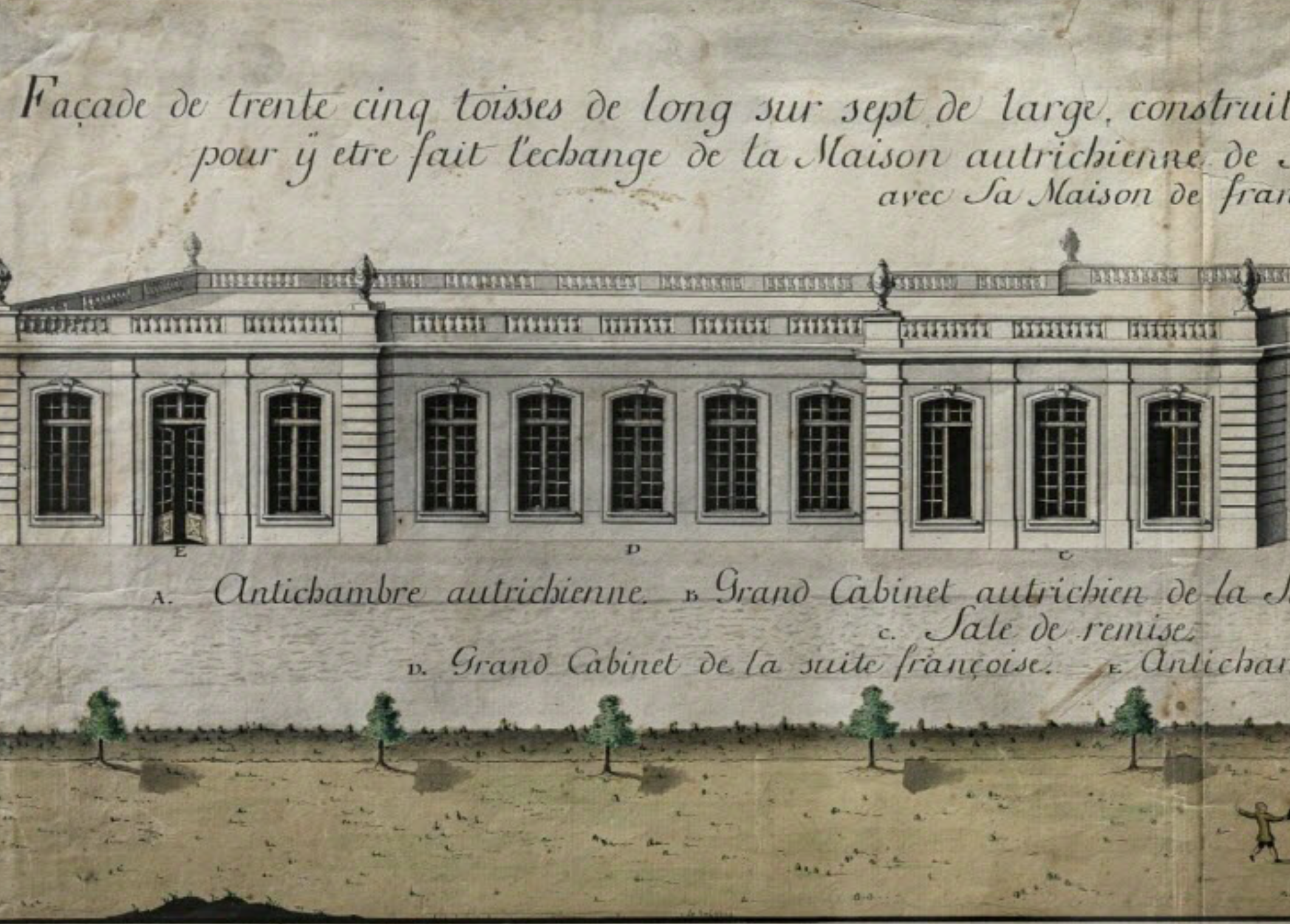
On the Île aux Épis, in the center of the Rhine, they built a temporary wooden pavilion for the ceremony. It was far grander than the tent that was depicted in the fantastic Marie Antoinette movie. Plans for this lavish yet temporary pavilion began on January 5, 1770, and also included updating the roads to and from the island, as well as the Pavillon Rohan in Strasbourg, where she would spend the night.
The Duc de Choisiel and the Comte de Noailles oversaw the young lady's transfer and arrival, and the creation of the pavilion. This wasn’t just a little plywood shack in the woods. It was grand, had windows, and the inside was decorated like a mini Versailles.
The crown's furniture, hand-picked by the duc de Choisiel, came from the Garde Meuble in Paris, and the Gobelins selected tapestries and carpets to cover the temporary walls and floors. A few days before the grand affair, a few young German men snuck inside the pavilion in the middle of the night.
What they found shocked them. The large tapestries chosen to cover the walls in the center of the pavilion depicted Greek mythological scenes. The tapestries, made from the cartoons of Raphael, depict the story of Jason, Medea, and Creuse. Jason was the leader of the Argonauts who met the beautiful princess Medea and became captivated by her. The two married, had children, then Creuse came into the picture. Jason leaves Medea and intends to marry Creuse. Medea accepts the wedding, or so they think, and sends her two sons to their father’s wedding with gifts for the new bride.
The gift of a gown and a crown seemed to be a lovely offer but was covered in poison. When Creuse put them on, she burst into flames and died. Once Medea’s sons returned to her, she killed them, a scene also captured by Delacroix.
Basically, not the scenes you want hanging on the walls as a new young bride is being presented to the future king. Hey, at least she didn’t burst into flames when she was dressed in her new French gowns. The young German boys who made this discovery were shocked; Johann Wolfgang von Goethe noted these pieces in his own account of the event.
The pavilion included five larger rooms used for the ceremony itself as well as eight smaller rooms used for guards, staff, and to hold her clothes. When Marie arrived, she entered through the Austrian antechamber on the island's German side. Marie and her ladies continued into the Austrian grand cabinet where Marie removed all her clothes, jewels, and anything else she brought with her.
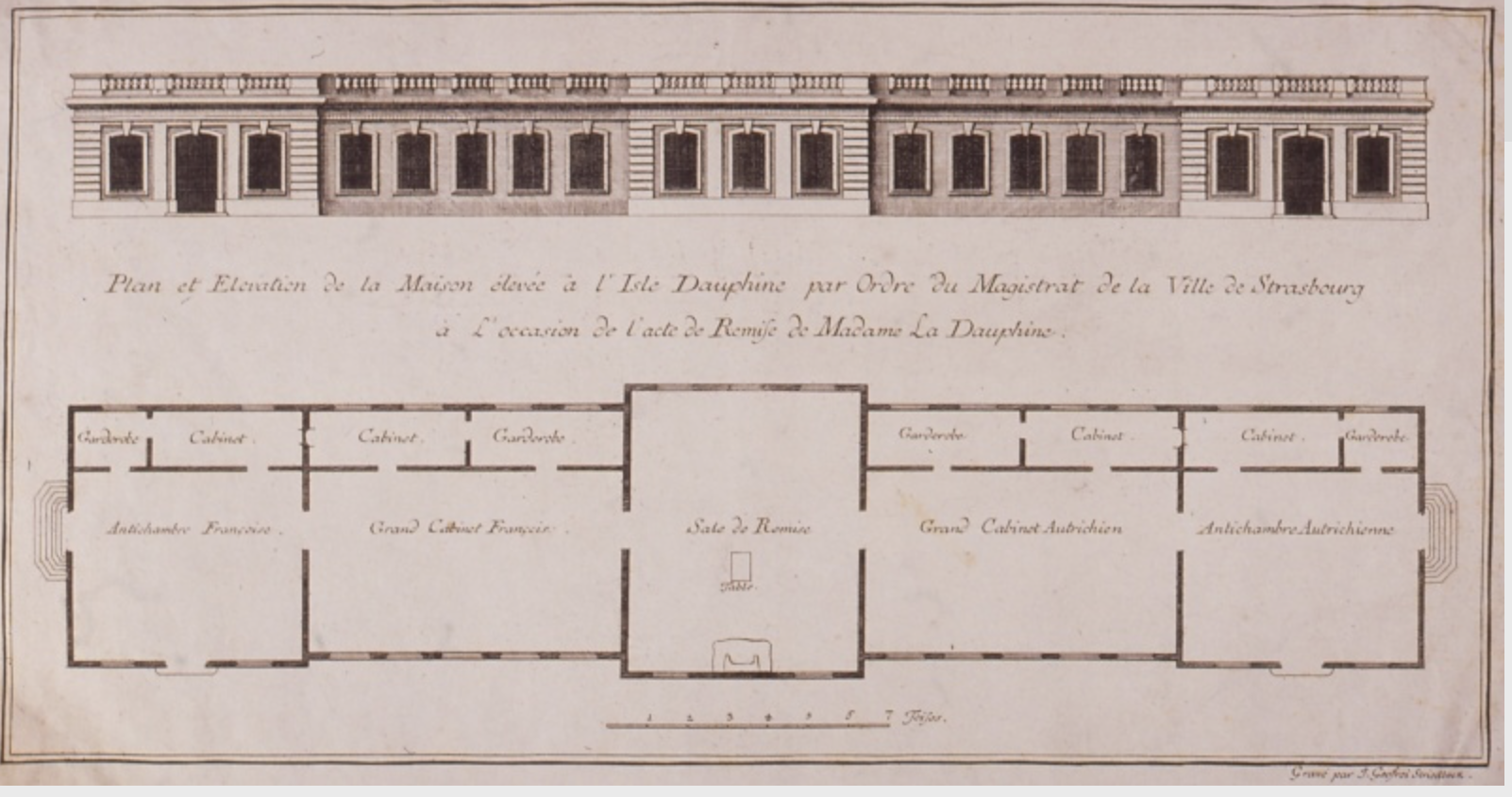
She then stepped into the large central pavilion, filled with dozens of French dignitaries, representatives of the king and court, and the Dauphine's new ladies. A throne awaited her before she moved into the French grand cabinet where they finished dressing her in the rest of her French clothing and jewels, including a few new pieces from her mother. These were the only things she was allowed to bring into her new life. With more than 80 people in attendance, they walked out of the French antechamber, and she stepped into a French carriage, beginning her new role as the Dauphine of France.
Marie Antoinette spent the night in the Palais Rohan, now the Musée de la ville de Strasbourg and a beautiful place to visit. On May 8, she headed towards Chateau de la Muette, where she would finally meet the Dauphin on May 15.
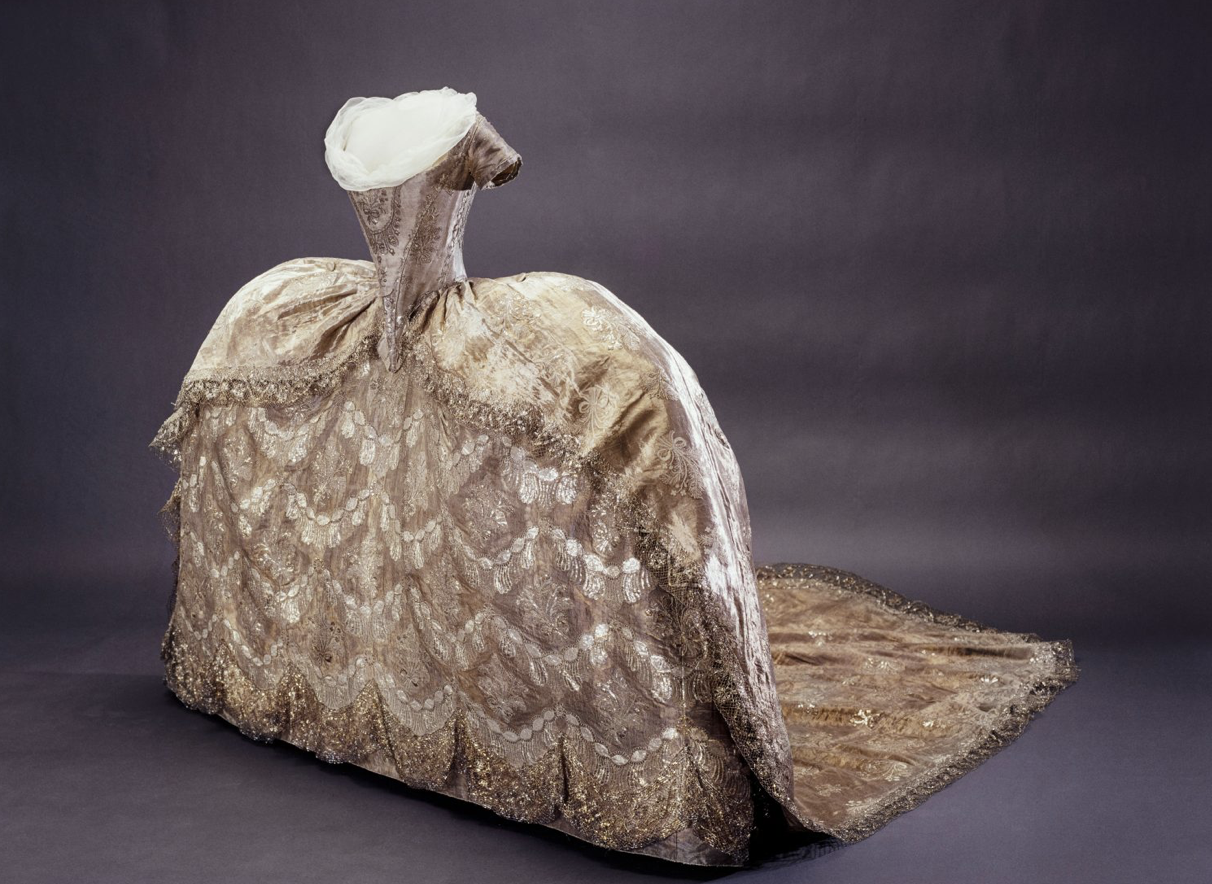
In the very early morning of May 16, 1770, she left the chateau and headed to Versailles. Arriving at 10 am she entered the golden gates and was taken to the queen’s apartment to get ready. A beautiful silver dress was waiting for her. Silver was the customary color for the dauphine's wedding dress; however, hers was a bit more lavish. Her mother, Empress Marie-Therese d’Autriche, had sent a trunk of diamonds and jewels to be attached to the dress. There was only one small problem. The designer had guessed the future queen's measurements, and when she put the dress on, they couldn’t lace up the back. It was more than two sizes too small, and her wedding was less than an hour away. She would step into royal life with her corset visible through the back of her dress.
Louis XV and his grandson Louis XVI waited in the king’s apartment. Louis XVI wore gold and a diamond-covered habit of the Order of the Holy Spirit. Just before noon, he met his bride and took her hand. They walked through the Hall of Mirrors to the Royal Chapel. Her gown and all its jewels shone brighter than the mirrors themselves.
In the Royal Chapel, they knelt before the Archbishop of Reims, Monseigneur de la Roche-Aymon. The Archbishop blessed the rings and 13 gold coins before Louis placed the ring on her tiny finger. The wedding was followed by a lavish feast in the Royal Opera attended by the court.
On the night of May 16, after a long day of ceremony and parties, the young couple went to bed. The bed was blessed by the Archbishop while members of the court watched, closing the curtain; the two were left somewhat alone. However, nothing would happen, nothing would happen for seven years.
The issues in the bedroom were the talk of France and even past its borders. How can the new king rule from the throne if he couldn’t even give the country an heir? Marie Antoinette’s mother was also concerned and made sure she understood her important role. During this time, to avoid the constant rejection of her husband, she turned to friends, parties, and all-night gambling. Rumors began to circulate about her and how she spent her time.
Finally, after seven long years, they consummated the marriage, and the next year their first child was born. Marie-Therese Charlotte, born in 1851. Not the male heir apparent, but a beautiful baby girl. She spent her days with her mother at the Petit Trianon and the Hamlet, living a quiet life away from watchful eyes.
After Louis XV died on May 10, 1774, the young couple was crowned king and queen of France. Inheriting the crown also meant taking on the country's rapidly mounting debt and the monarchy's resentment.
The quiet Louis XVI was more focused on religious freedom and foreign policy than the plight of the citizens, and wanted to be admired and loved by the people.
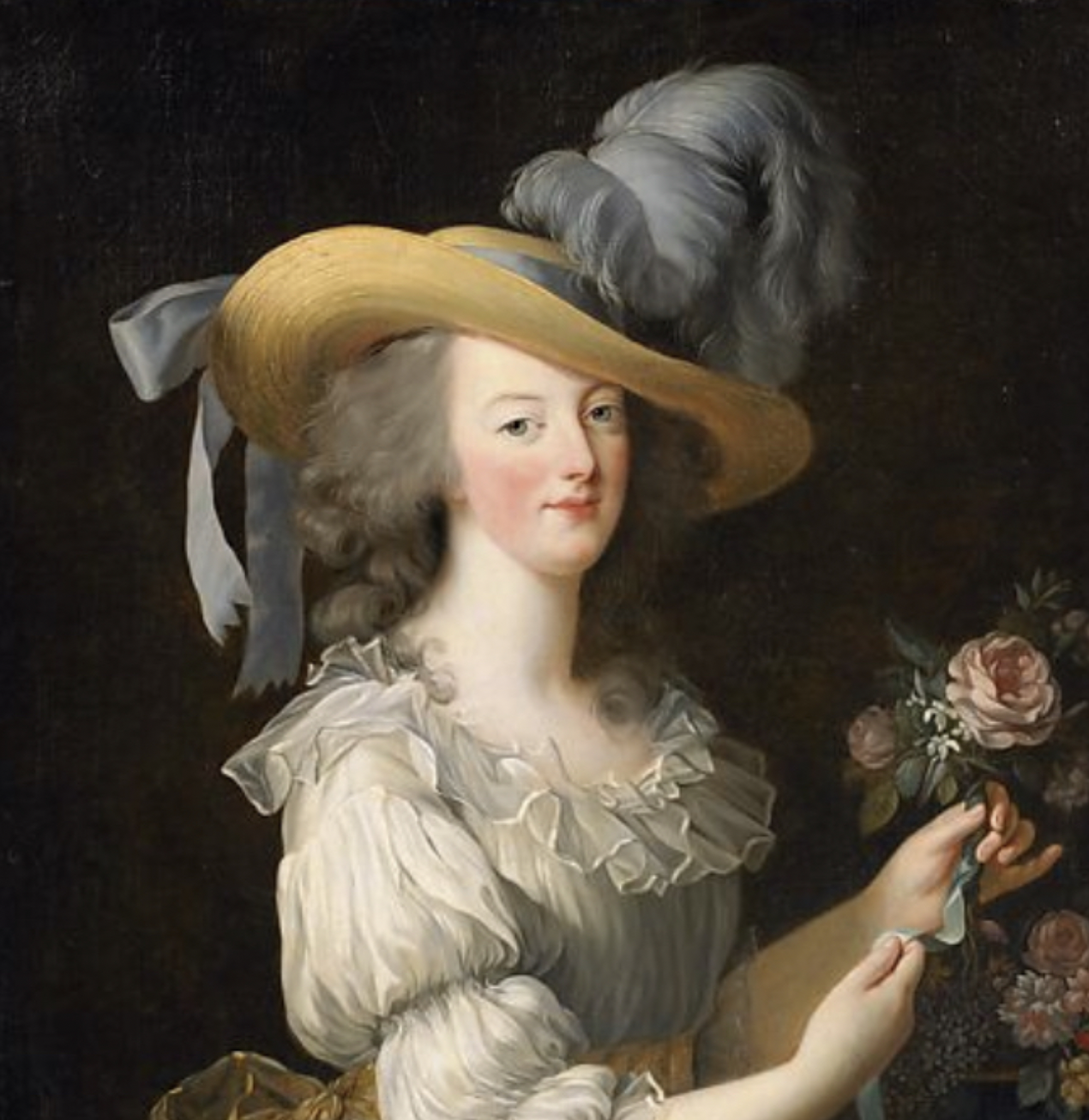
From the start, Marie Antoinette was looked at as a “foreigner,” as she was often called. The French still hadn’t moved past their distrust and hatred of the Austrians and pinned it all on her. Throughout their marriage, she was blamed for anything and everything that the people thought the crown was doing wrong. Horrible and even pornographic pamphlets were created depicting her in all sorts of acts. Given the nicknames Madame Deficit and Madame Veto, just to name a few. While Louis XVI was quiet and spent most of his time in his books and locks, she carried the brunt of the people's anger. Blamed for lavish spending on clothes, shoes, and wigs, but in reality, Monsieur Philippe, the fabulous brother of Louis XIV, spent four times more a year than Marie Antoinette ever did.
Because of how the press and the public judged Marie Antoinette, a massive scam was waged against her, driving one of the final nails into her coffin.
In 1785, tensions were high in France, and the Austrian queen faced pointed criticism and hatred. Her appearance of lavish spending would be used by a woman named Jeanne de la Motte to her advantage to exact her revenge on the crown.
Jeanne de Valois Saint Rémy Comtesse de la Motte started out in life being told she was descended from royalty. Her father, Jacques de Valois, was the illegitimate grandson of King Henri II and his mistress, Nicole de Savigny. Henri was involved with her when he and Diane de Poitiers took a break. Never recognized, they constantly lived far beneath where they believed they should be, and by the time Jeanne came around, she wanted to do something about it.
In 1772, King Louis XV wanted to have a necklace made for his mistress, Madame du Barry, and asked jewelers Boehmer & Bassange to create a lavish gift. It took years to gather the more than 600 diamonds needed; Louis XV died before it was finished. Left with an expensive necklace on their hands and unpaid, they reached out to Louis XVI, thinking he would want to buy it for his queen. Because of its high price tag, the queen refused, telling her husband, “We have more than 24 ships.” However, she may also have never liked Du Barry and didn’t want anything intended for her.
Jeanne was the mistress of Cardinal Rohan, who had fallen out with the Queen and her mother and was desperate to win back her good graces. Jeanne told him she was friends with the Queen and that if he wrote her a letter, she would get it to her. Jeanne had another agenda. She answered the letters herself, posing as the Queen, and when he begged for a private meeting with the Queen, she hired a prostitute at the Palais Royal to impersonate her and meet him in the Grove of Venus at Versailles.
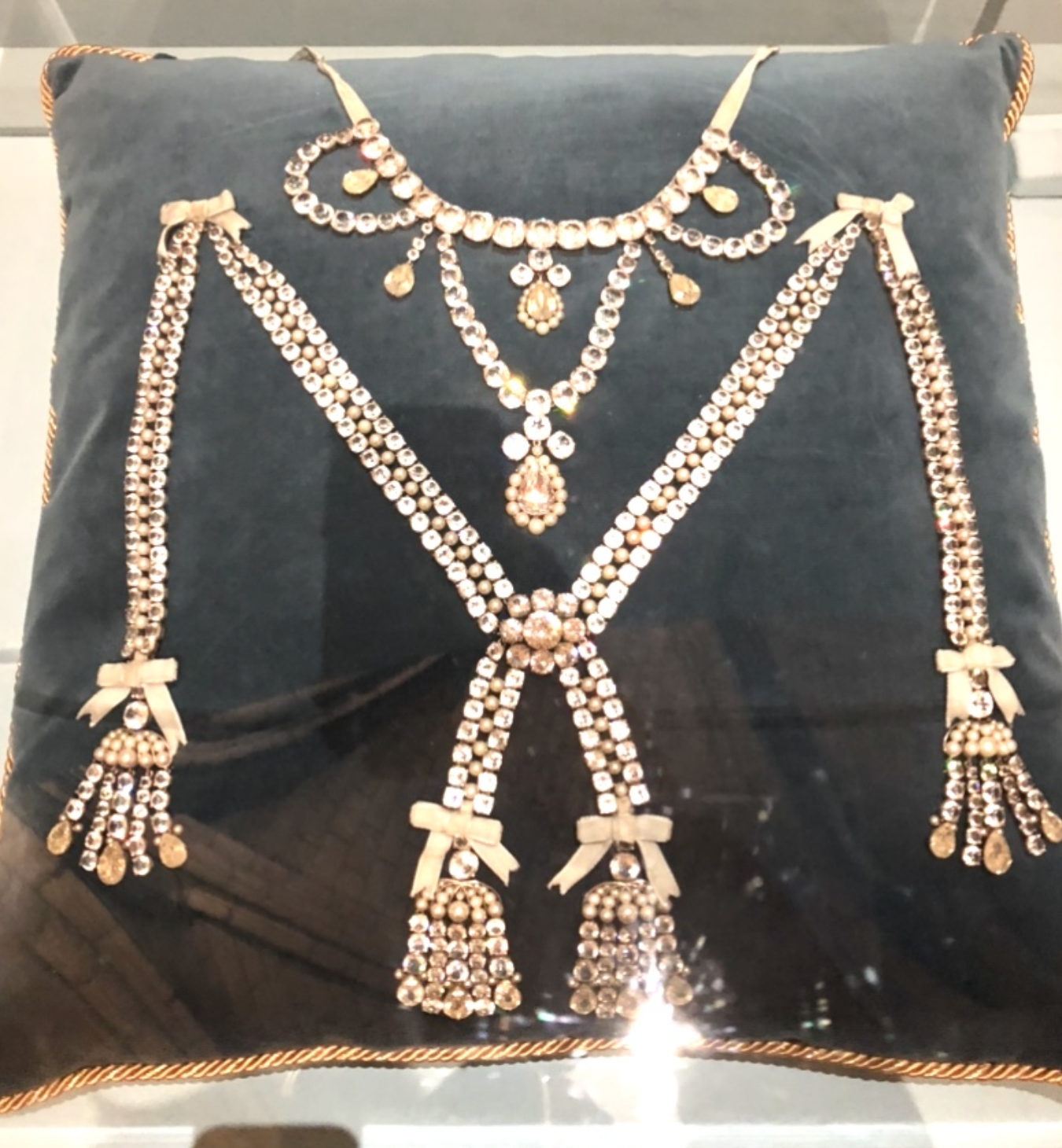
Once word spread throughout Paris, the jewelers reached out to Jeanne, hoping to appeal to Marie Antoinette and buy the necklace. Jeanne told Rohan that the Queen wanted the necklace but needed someone to get it for her. Jeanne forged a letter and a purchase order for the necklace, and he took it to Boehmer. After Rohan handed over the necklace, he took it to meet Jeanne and what he thought was one of the Queen’s valets. Jeanne’s husband promptly took the necklace, broke it apart, and sent the jewels around Europe to be sold.
Months passed, and when Boehmer still hadn’t been paid, he went to court with the Queen's signed order. She had never seen it before. Rohan was arrested in the Hall of Mirrors, would go on trial, and be found innocent.
For the Queen, who was innocent in the plot, it was too late. It only fed into the rumors of her excess. People even thought she orchestrated the entire thing to get back at Rohan. The Affair of the Diamond Necklace led to her final fall, which came just a few years later.
Jeanne de la Motte would also be arrested, and at trial she was convicted, and her sentence included life in jail, and her shoulders were branded with the letter V for voleuse, French for thief. A year later, she broke out of prison, dressed as a boy, and fled to London. On August 23, 1791, in an attempt to evade creditors, she fell out of a window and died. The report stated that she was “terribly mangled, her left eye cut out and her arm and both legs were broken.
Today, that necklace would be worth over $15 million and hold 2,800 carats and 685 diamonds. When I saw a replica at the Conciergerie exhibit, I gasped, but then again, I love a statement piece.
Sadly, my first thought about this necklace and incident was the first thing I thought about after the theft of the jewels from the Louvre a year ago next week.
The last straw came at the start of October 1789.
On October 1 and 3, 1789, King Louis XVI threw a large dinner party for the king's guards and the Flanders Regiments. While Parisians starved and couldn't get bread, a lavish dinner at Versailles was the final straw.
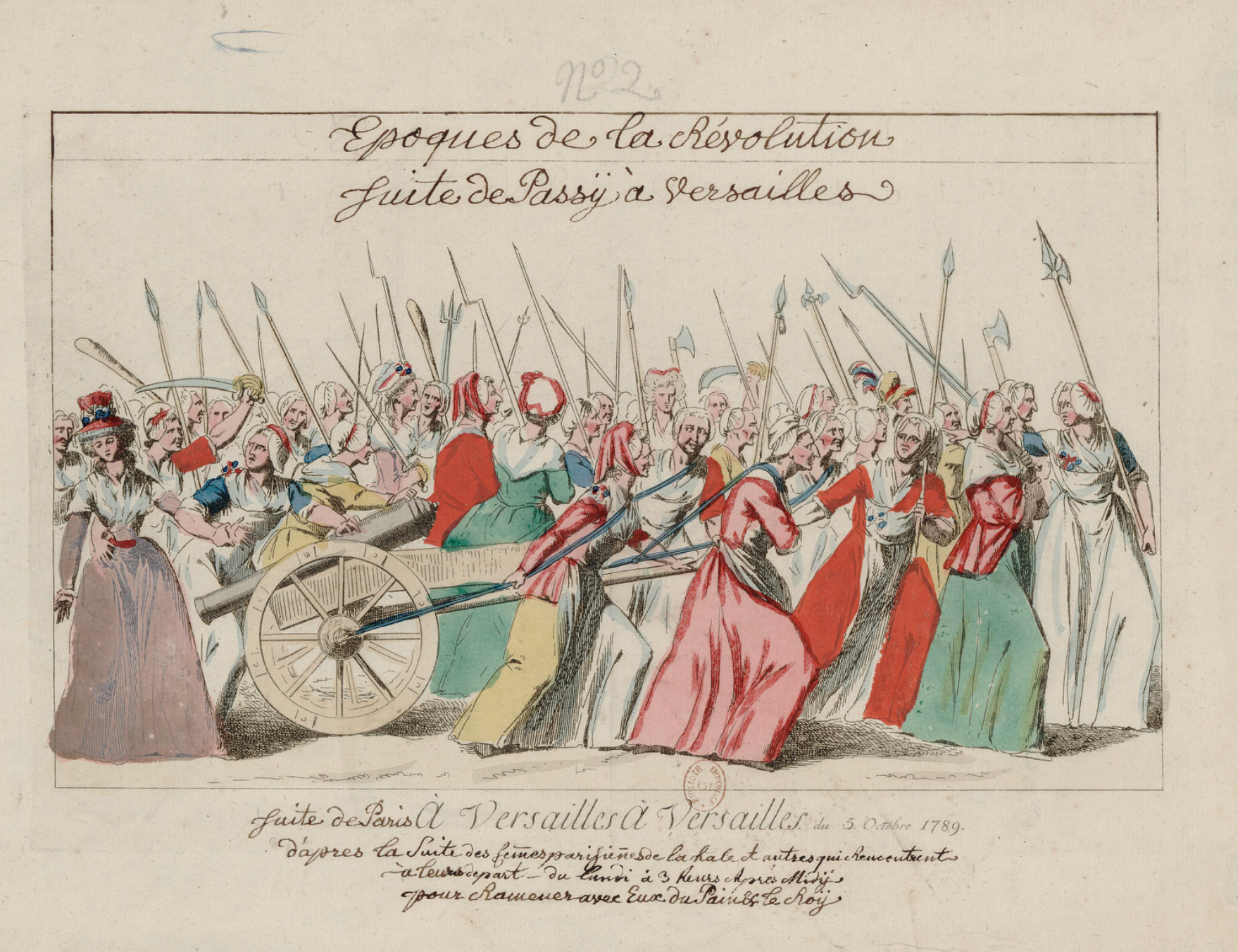
Before dawn on October 5, a large group, mostly composed of women, met in front of the Hotel de Ville. Breaking in and stealing more than 600 weapons, the group marched from Paris.
In the pouring rain for over 5 hours, they walked in the mud, arriving at Versailles. Demanding to be let into the National Assembly, their spokesperson, Stanislas Maillard, read their demands for wheat, flour, and an end to the blockade of the route into Paris. With everyone in agreement, they took the order to the king to sign and enact it, but it was too late. We could be done with this story, but we know it ends differently.
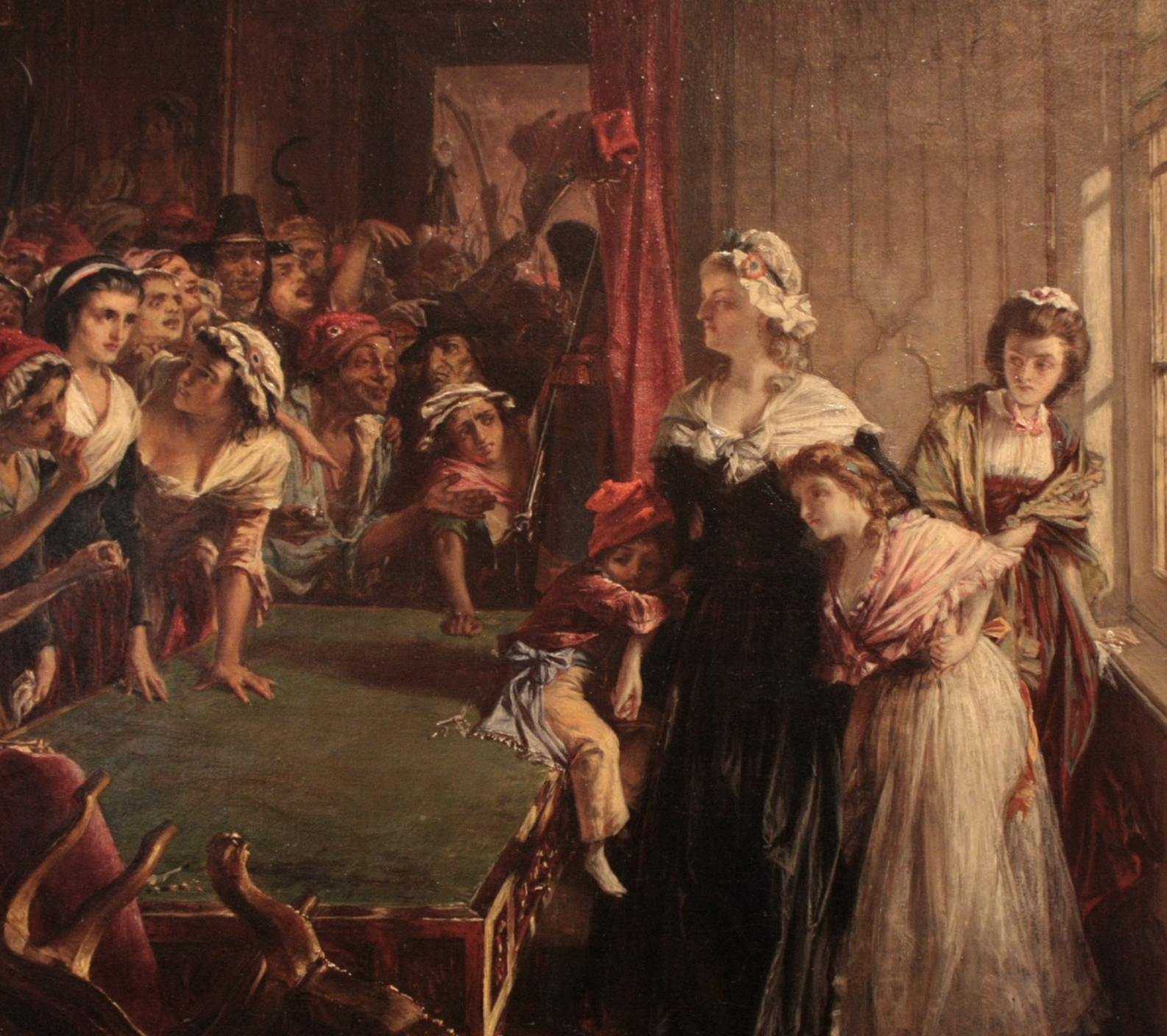
Overnight, the crowd gathering outside grew restless after endless hours without any news, prompting the guards to push back. The angry mob rushed the palace, killing the queen’s guards and calling out her name through the gilded halls of the palace. The royal family finally agreed to go with the crowd back to Paris, leaving Versailles on October 6 and the life they knew behind.
Their prison was the Palais des Tuileries, where they could be watched closely, but still lived a life of comfort for over two years.
On June 21, 1791, the king and queen of France made a last-ditch attempt to escape the watchful eyes of the Tuileries. The king had been cooking up the idea for over a year and discovered that the French town of Montmédy, near the edge of Luxembourg, still supported the monarchy.
Axel von Fersen, Marie Antoinette’s close friend and lover, handled the route, plans, passports, and carriage for the family. Axel first met Marie Antoinette in Paris on January 30, 1774, at a masked ball. Behind the mask, he had no idea he was talking to the future queen of France. They met again after his return from America, and they remained very close until the end. Historians have often wondered if it was more than that, but recent deciphering of their private letters gave more evidence to the fact that the two were also lovers
Fersen borrowed 300,000 pieces of gold from a wealthy woman to help evacuate the family and had a lavish carriage made for the royal couple, complete with a toilet.
Louis XVI, Marie Antoinette, their two children, and Madame Elisabeth, the king's sister. Armed with fake papers, they now served as staff for Baroness de Korff, a Russian widow, on their way to Frankfurt. On the night of the escape, the family left behind their formal attire and dressed as servants.
At 10:50 pm on June 21, 1791, Fersen took the royal children out of the Tuileries and safely tucked them into the awaiting coach. At 11:30 pm, Louis XVI & Marie Antoinette said their goodnights and went to bed. Louis had spent most of the day hidden away writing a 16-page “political will,” a declaration that would later seal his fate.
At 12:10 am on June 22, Louis and Marie left the Tuileries through separate doors, alone. Louis found his way to the nearby Rue de l’Échelle where his children, Fersen and the governess, were waiting. They quickly found the coach, but Marie Antoinette got lost on the way and arrived 90 minutes late. The distance from the Tuileries today to where the coach was is less than 7 minutes. When the family finally reunited, they headed to the Quai du Louvre, where the carriage was to meet them, along with a team of loyal soldiers. Although they were already nearly two hours late, they still had to wait another hour for the carriage to arrive. This delay would also cost them immensely.
The governess wasn't in the original plans, but she refused to leave the children. Her job was to care for the royal children until her death, and she wouldn't back down. She took the place of one of the few people in the group who knew the roads of France. The men chosen for the voyage were each selected for their loyalty to the family, not necessarily for their abilities. Another foolish mistake.
Fersen stayed with them until Bondy, where he was replaced with a new driver, not to add too much suspicion back at the palace. Along the route, royalist supporters were strategically placed to change the horses and protect them, but with no way to reach them and nearly three hours behind, many left fearing the worst.
Once on the road, now 3 hours late, they arrived at Pont-de-Somme-Vesle SE of Reims. At the next town, Montmirail, at 11 am, the king was recognized. Meanwhile, back in Paris, at 7 am, it was discovered the family was gone, and all that was left behind was the king's “political will,” which enraged Lafayette, who was to watch over them. He immediately let it be known they were gone and issued an arrest warrant.
Just before 8 pm in Sainte-Menehould, Jean-Baptiste Drouet thought the peasant woman looked a lot like Marie Antoinette. When he saw the king's profile in the carriage window, he knew it was Louis XVI. It matched the 50-franc note in his pocket. When they arrived at Varennes at 10:50 pm, the riders weren't there to meet them. 20 minutes later, in front of the Église Saint-Gengoult, the citizens demanded they exit the carriage. At 11:10 pm, not even 24 hours after their escape, they were arrested.
On the morning of June 22, the National Guard was on its way back to Paris. The route would take four days; they drew it out so people could see it and be taken to Paris again. From Châlons-en-Champagne on the 22nd, to Épernay on the 23rd, and to Meux for the night of the 24th. I doubt they enjoyed the Champagne and Brie de Meux on the way.
On June 25 at 7 am, they left Meux for their last trip to Paris. Hundreds lined the streets of Paris to welcome them home. They were told if they cheered for the king, they would be beaten, and if they yelled insults, they would be hanged. People behaved until they saw the Queen, who was always the brunt of their anger. They yelled and chased their carriage down the Champs Élysées until they entered the Tuileries.
Now, they were more closely watched, and their movements were limited to their bedrooms and dining room, while the people outside the palace grew angrier and angrier. Had they not escaped, the family would have spent the rest of their life in prison.
At 5 am on August 10, 1792, it boiled over. The Tuileries were stormed, the Swiss guards were killed, and the royal family ran for their lives through the garden. More than 1000 people were killed on this day; the palace was looted, and the interior was destroyed.
They arrived at the Assembly on the edge of the garden, in the former stables used by Louis XV, where the king would be tried in a few short months. They gave the king wine and treated him like a king. Marie and her children were locked in a small room. That night, as they ran, the monarchy slipped through their fingers.
On August 13, they were sent to the Temple prison, a cold, dark tower. The king and his valet, Jean-Baptiste Cléry, were separated from his wife, children, and sister, but could still visit each other. A month later, on September 21, the monarchy was abolished.
At 9 am on Monday, January 21, 1793, Louis Capet left the Temple prison and his family behind. The slow drive through the city, held inside a verte wagon carriage, took over an hour. The people lined the route, yelling and proclaiming victory for the Revolutionists.
On January 21, 1793, the echo of cannons and the cheers of the crowd carried through the prison walls. Marie Antoinette, her sister-in-law Élisabeth, and her two children knew instantly that the king was dead. Seven months later, in the dark of night on August 2, the queen was taken from her children and moved to the Conciergerie, also known as the “antechamber of death.”
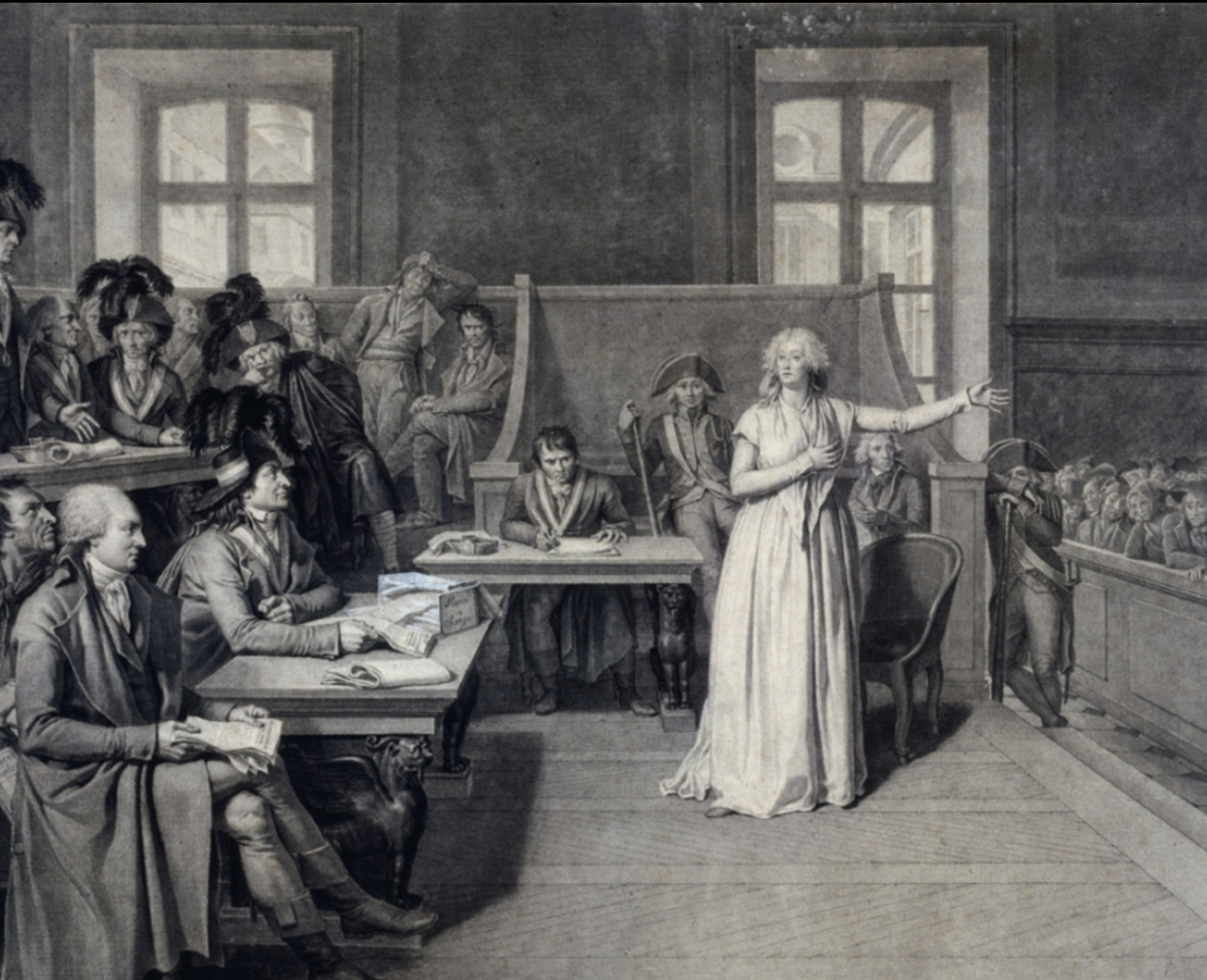
Her trial began on October 14 before a courtroom filled with people who had already decided her fate. The prosecutor, Antoine Quentin Fouquier-Tinville, accused her of sending money to Austria, depleting France’s treasury, treason, and even incest with her son. For two long days, she endured every accusation without the chance to defend herself. Her composure never wavered. Her fate was already sealed.
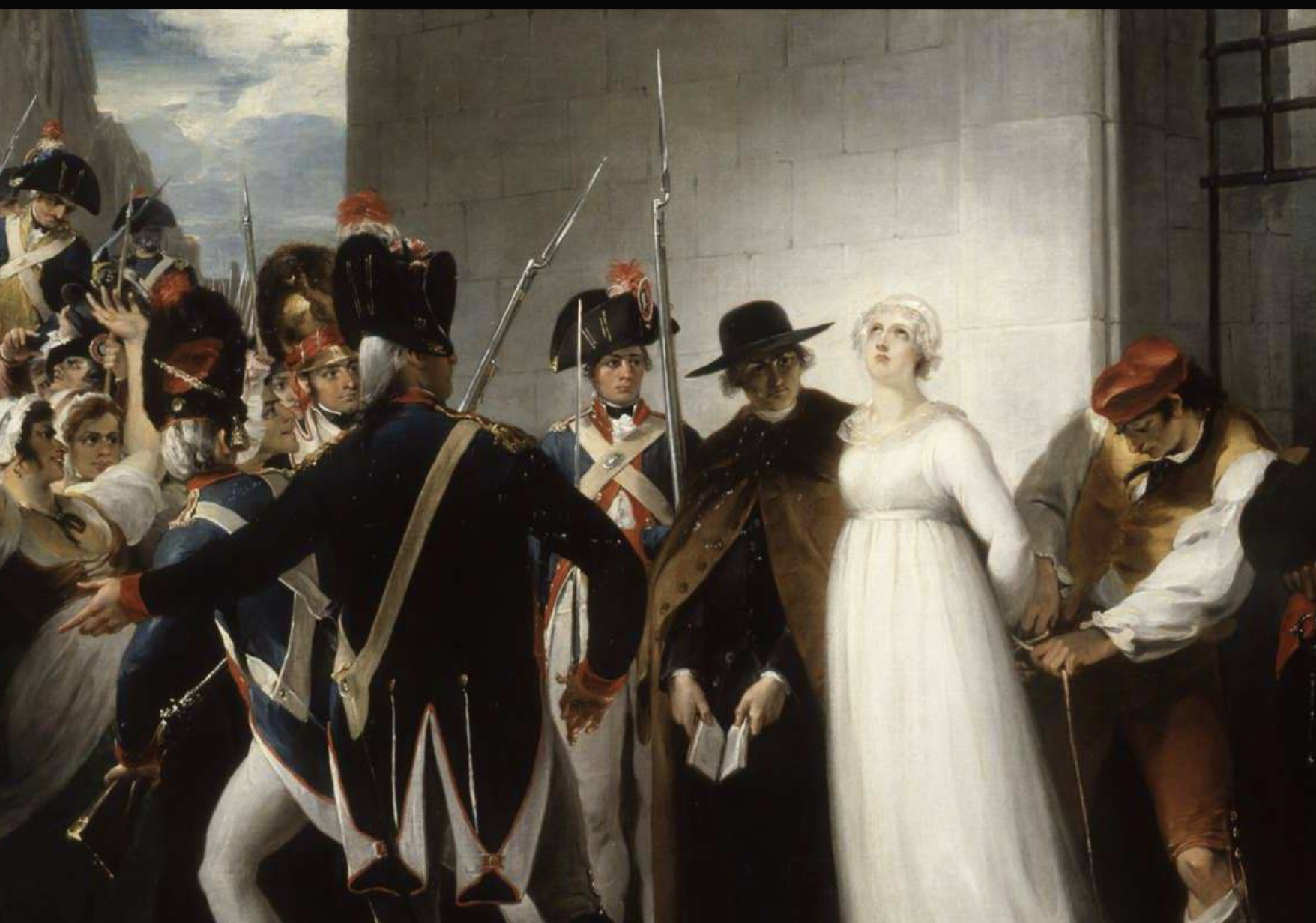
At 4:30 a.m. on October 16, she was sentenced to death. In her cold, dim cell, she wrote a final letter to her beloved sister-in-law, Madame Élisabeth, asking her to care for her children. The letter was never delivered. Madame Élisabeth’s life also ended at the guillotine seven months later.
At eight o’clock, the executioner, Charles-Henri Sanson, entered her cell. She dressed in a simple white gown made by Rose Bertin, her trusted dressmaker, and slipped on her best black satin shoes. Her hair was cut short, her hands tied behind her back, and she was led to the Cour du Mai to face the waiting cart. Unlike her husband, who had been taken in a carriage, Marie Antoinette rode in an open cart beside a priest, exposed to the eyes of Paris.
The streets were lined ten deep as the cart made its slow journey through the city. In the window of the Café de la Régence on Rue Saint-Honoré, the artist Jacques-Louis David sketched her final image, pale, calm, and proud. More than 30,000 people stood in silence as the cart rolled toward the Place de la Révolution, now known as Place de la Concorde. The short journey that should have lasted twenty minutes took nearly an hour, as the people strained for one last glimpse of their former queen.
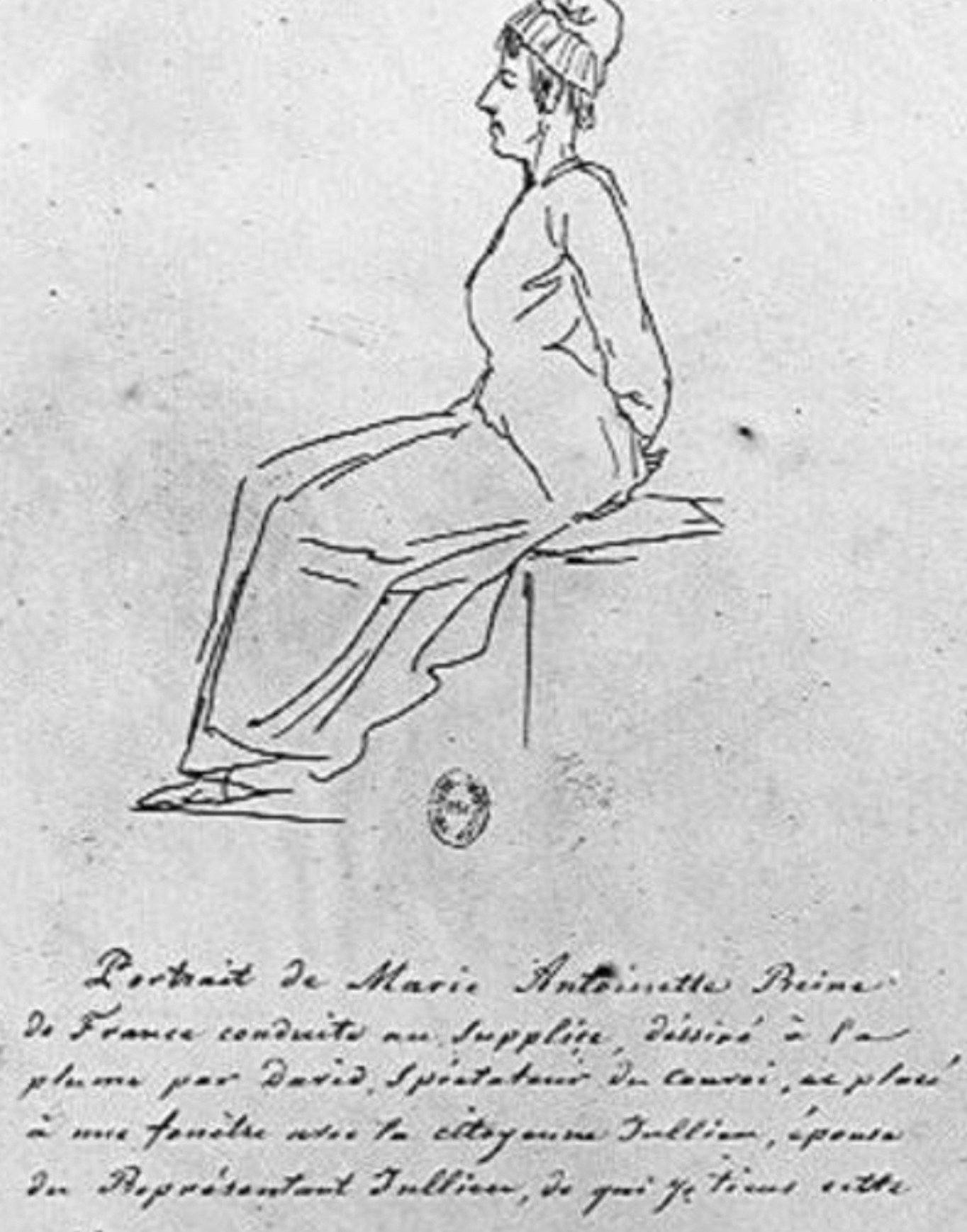
At the scaffold, she accidentally stepped on the executioner’s foot. Turning to him, she softly said, “Pardon me, sir, I did not mean to.” A moment later, at 12:15 p.m., the blade fell.
Her body was buried in an unmarked grave at the Madeleine Cemetery. In 1802, the land was purchased by Pierre-Louis Desclozeaux, who had lived next to the cemetery since the Revolution and had quietly marked the resting places of the king and queen with a weeping willow. When her daughter, Marie-Thérèse, Duchesse d’Angoulême, returned to France in 1814, she visited the spot daily, accompanied by her uncle, Louis XVIII. Together, they arranged for their parents’ remains to be transferred to the Basilique Saint-Denis, the resting place of the kings and queens of France.
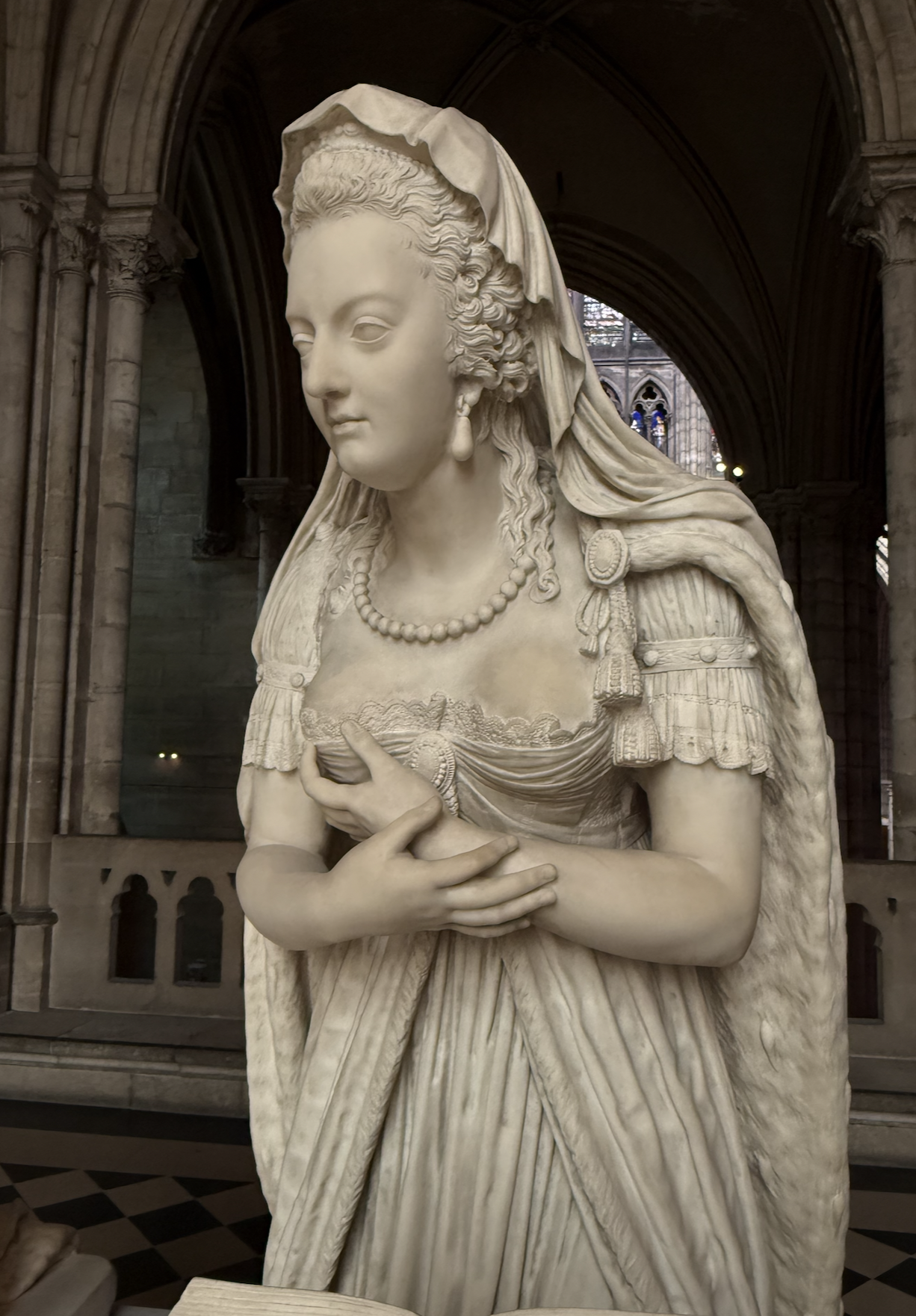
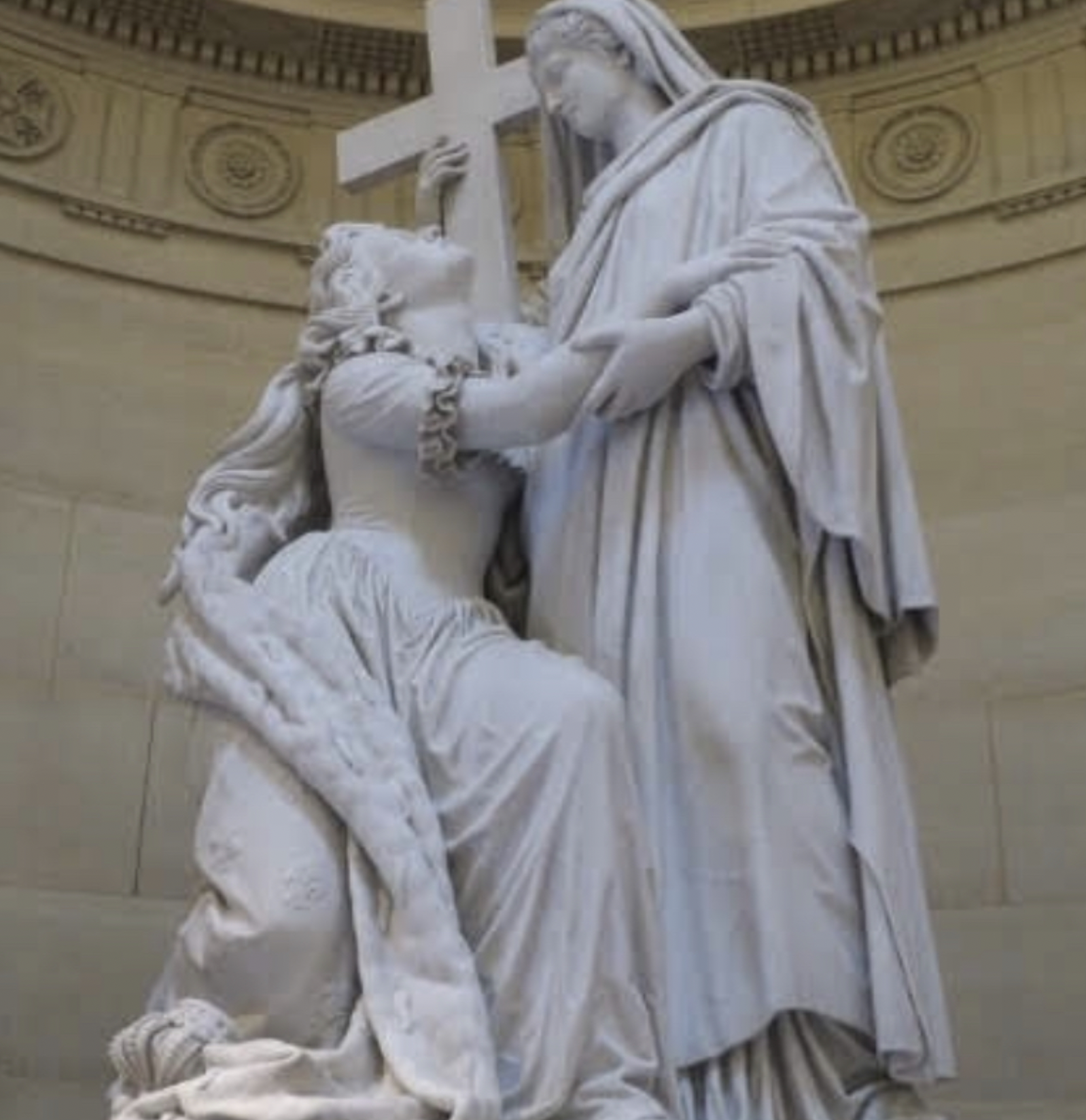
In 1816, the Chapelle Expiatoire was built on the site of their first burial. It was dedicated to Louis XVI and Marie Antoinette, and its creation was partly funded by Marie-Thérèse herself. Inside the quiet neoclassical chapel, Jean-Pierre Cortot depicts the queen in marble, supported by the figure of Religion, her long hair flowing like Mary Magdalene's as she looks upward in prayer. Her final letter to Madame Élisabeth is carved on the pedestal beneath her. Across from her stands Louis XVI, sculpted by François-Joseph Bosio, in his coronation robes, as an angel points toward heaven.
Below in the crypt, a black-and-white marble altar marks the exact spot where they had once lain in an unmarked grave. A soft, colored light streams through a single stained-glass window, filling the chamber with quiet reverence. Each time I visit, I imagine their daughter standing there, her heart breaking, clinging to the last memory she had of the parents she lost too soon.
On January 18 & 19, 1815, Marie Thérèse watched as the bodies of her parents were recovered from deep in the earth. On January 21, the 22nd anniversary of Louis XVI's death, the couple was taken on their final route to the Basilique Saint Denis.
The procession of 3,000 people, made up of military, ministers, and distant family, traveled north past Paris's edges. They placed the boxes containing the king and queen's bones on a large carriage inside a grand sarcophagus. What a difference 22 years made, as people now lined the route for even a glimpse.
Upon arrival at the basilica, a large mass was held in front of the family and dignitaries before their bones were interred in the crypt below, alongside what is left of the past rulers that were recovered after the Revolution
On April 24, the king ordered the construction of a new chapel for the basilica, dedicated to the couple. Edme Gaulle was commissioned to sculpt the statue of Louis XVI and Marie Antoinette, and Pierre Petitot was commissioned to sculpt it. The chapel as imagined never came to be, but the statues can be seen today, and I will never forget the first time I saw them.