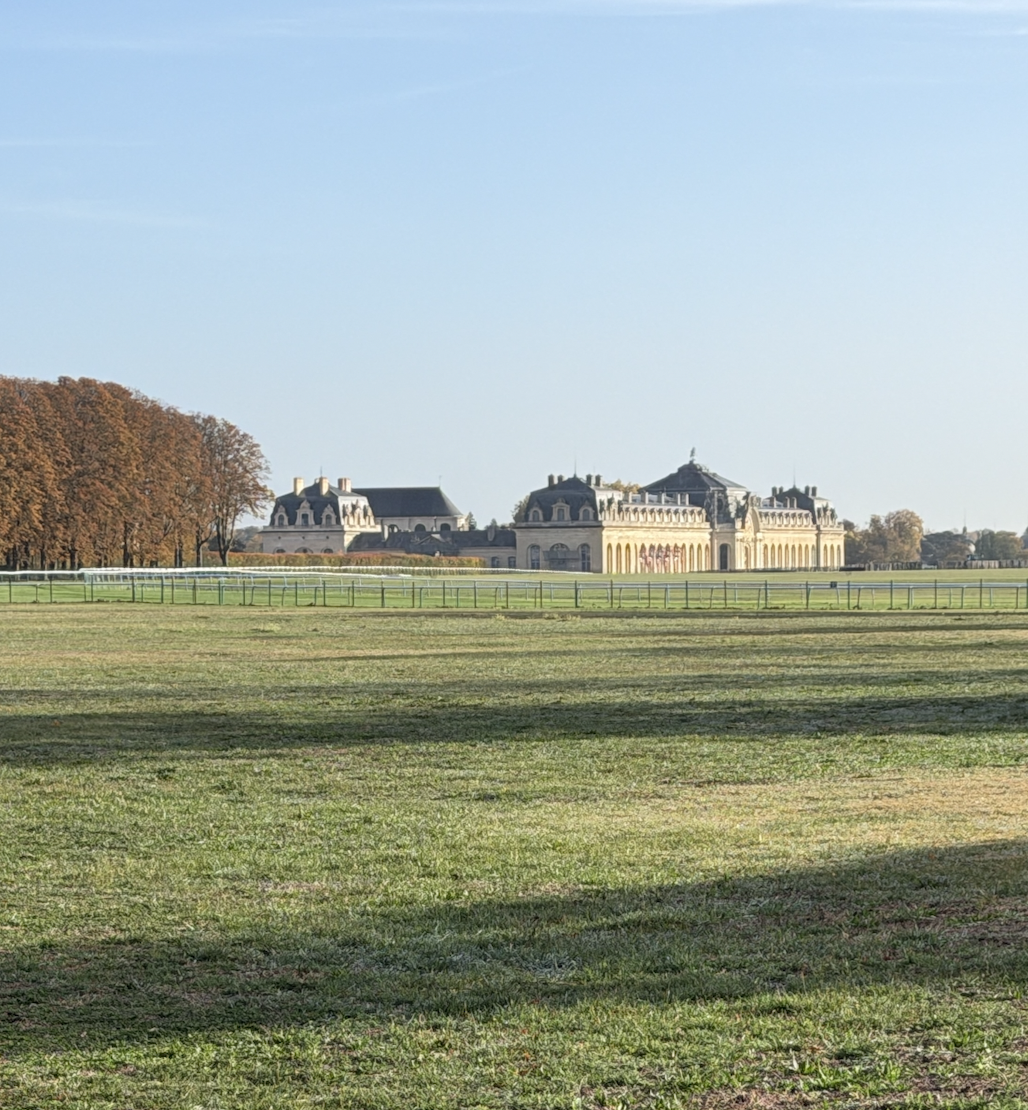
The first time I visited the Château de Chantilly, it was raining sideways. It was still beautiful, but last week, ona peak sunny autumn day, the visit was perfection, and I went for one reason: to see two diamonds.
The beautiful château is a quick 20-minute train ride from Paris, yet few people make the trip. The Renaissance château dates back to the 14th century, but most of what you see today was built under Anne de Montmorency in the 16th century. It later passed to the descendants of the Bourbon Condé line.
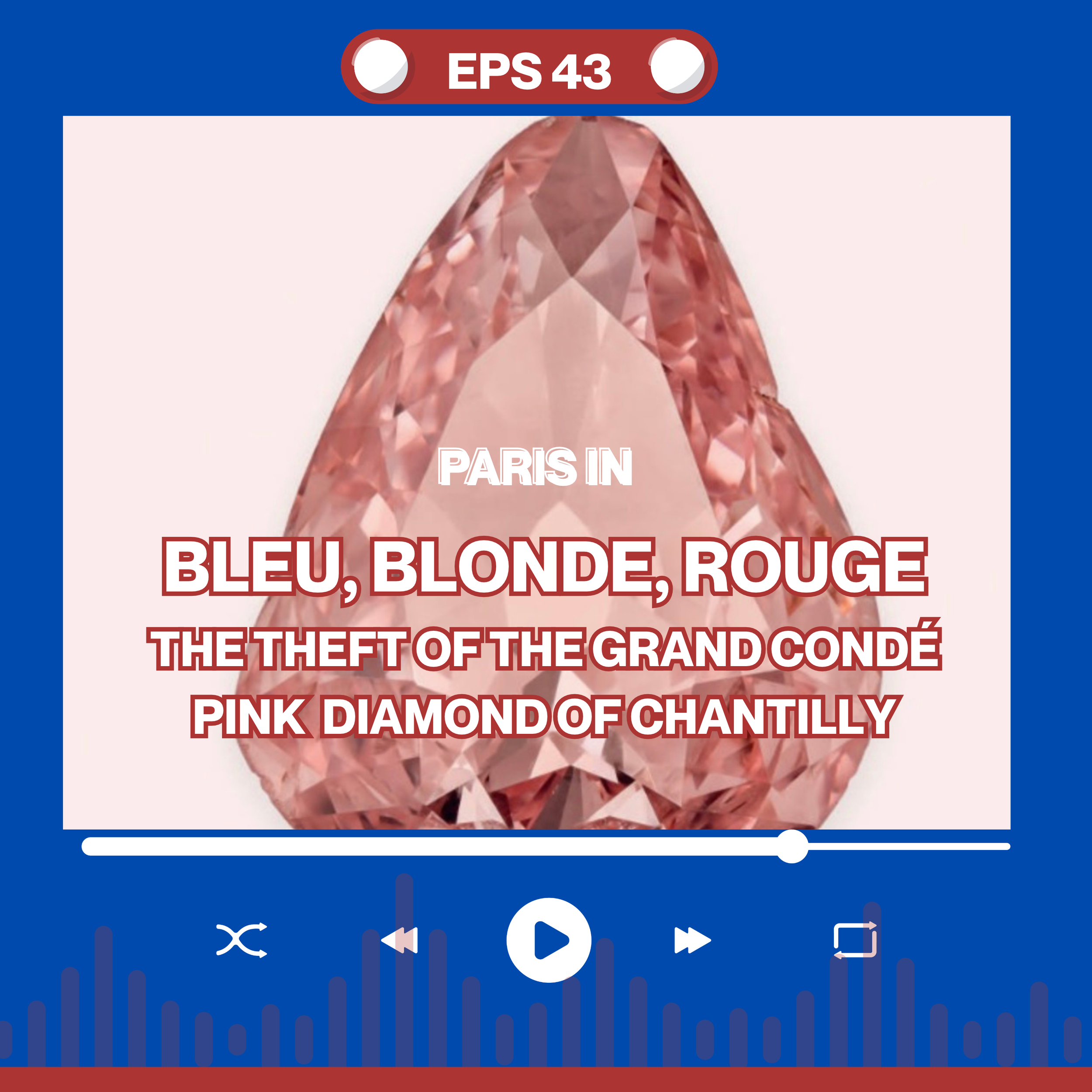
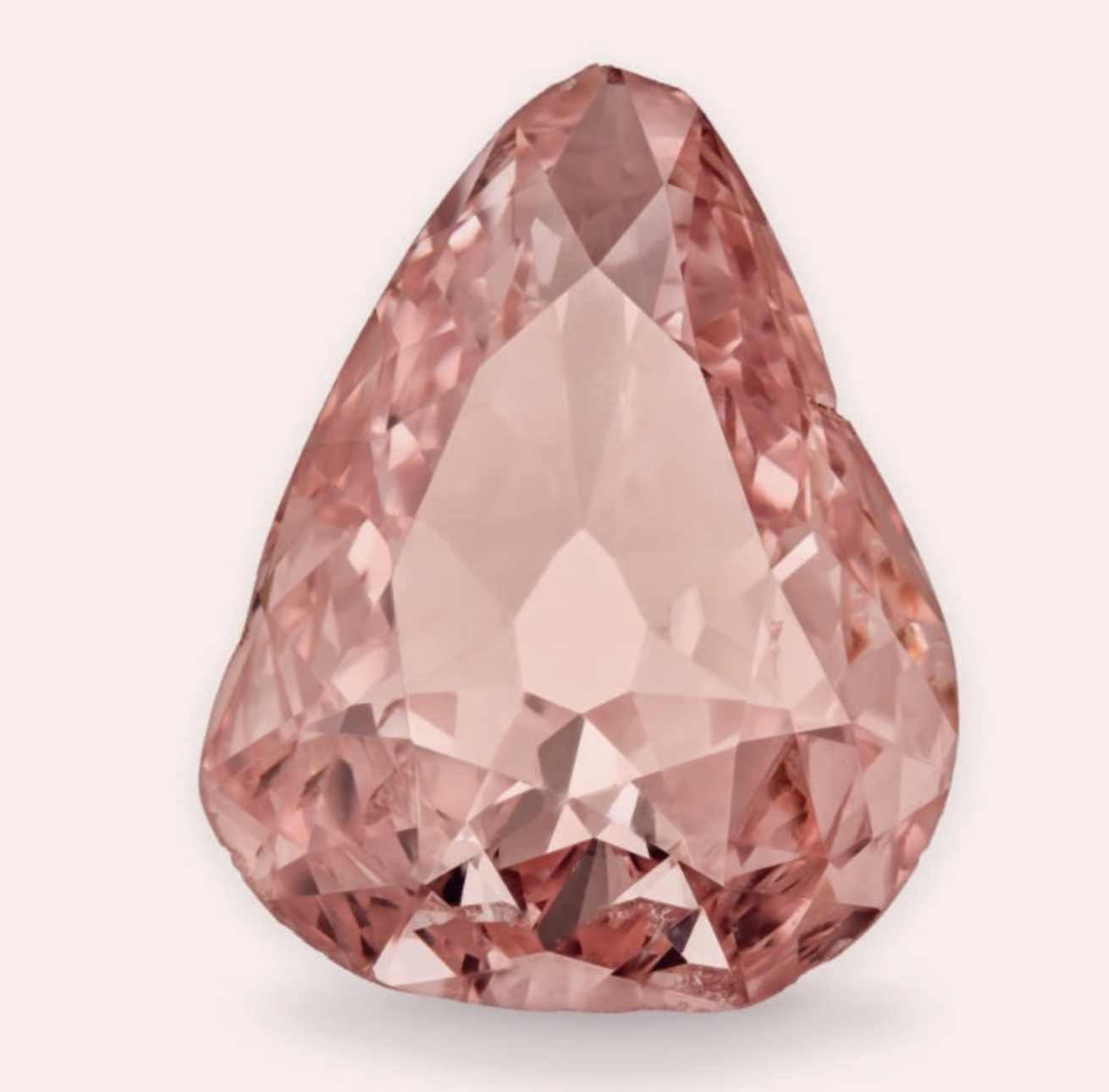
Currently, two of the Musée Condé's treasures are on display for a limited time: the Grand Condé, a 9.01-carat pink diamond, and the Penthièvre, a yellow diamond, until January 3, 2027. Each holds an incredible slice of history and was part of a brazen thrift 100 years ago.
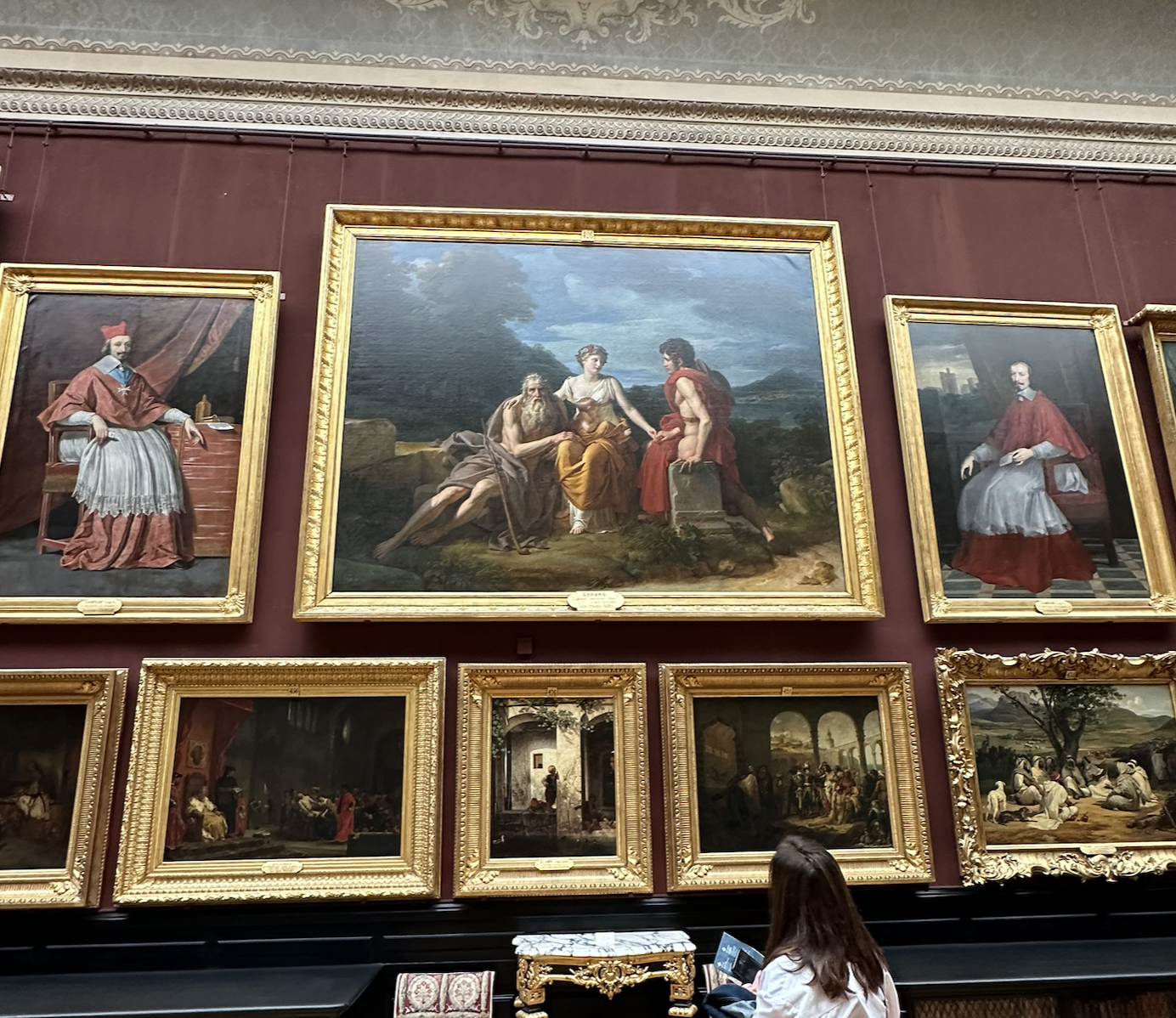
Henri d’Orléans, Duc d’Aumale, inherited the grand estate in 1830 at the young age of 8. With a love of art, he began amassing French and Italian paintings and sculptures to fill his Grand Château. Today it is the greatest collection in France outside of the Louvre and includes paintings by Raphael, Watteau, Botticelli, Ingres, and many, many more.

On October 25, 1886, as the duke was on his way out of France for his second exile, he placed his entire estate and art collection with the Institut de France upon his death. It was also that or the French government was going to take it. When he returned three years later, he spent his final years between his chateau and country homes.
The Musée Condé holds hundreds of pieces and displays them exactly as they were when the Duke lived there. This gives you the chance to step right into his life.
Today the chateau is a wonderful place to visit, especially for art lovers. It’s incredible and worth a trip, especially if you want to avoid the large crowds.
It’s believed that the diamond was found around 1643 in the same mine where the Regent diamond would be discovered 35 years later, the true Crown Jewel. The Golconda mine is located in Southern India, and the light pink diamond was likely purchased by Jean-Baptiste Tavernier, who then sold it to Louis XIV. The Sun King then gave it to his cousin, Louis II de Bourbon, known as the Grand Condé. But all of that is a little shaky.
After it was found, the pink diamond was cut into a pear shape to maximize its size. Popular at the time, the diamond is very thin, with a flat side and a small dome on the other. They then cut it with multiple facets to bring out the sparkle.
Louis II de Bourbon-Condé shared a grandfather with Louis XIV, Hot Legs Henri IV himself. No historical evidence shows he ever owned the pink diamond; in fact, it isn't mentioned in an official inventory until 54 years after the Grand Condé’s death in 1686.
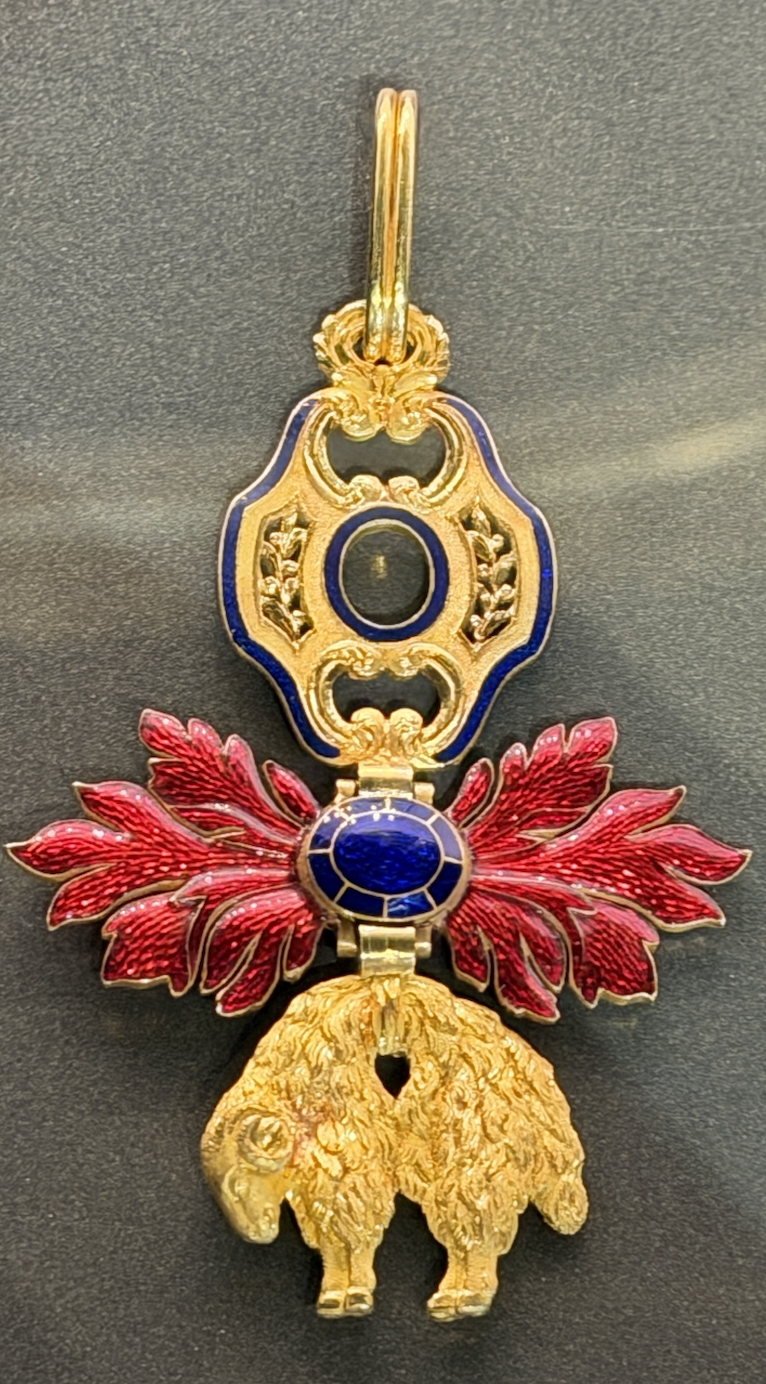
The Grand Condé pink diamond is first mentioned in the 1740 inventory taken after the death of Louis IV Henri, duc de Bourbon et Prince de Condé, the great-great-grandson of Louis II. As early as 1724, he placed the pink diamond in his Order of the Golden Fleece, which also held a large green diamond with smaller yellow and clear diamonds. The setting was later dismantled and the rose diamond set into a ring.
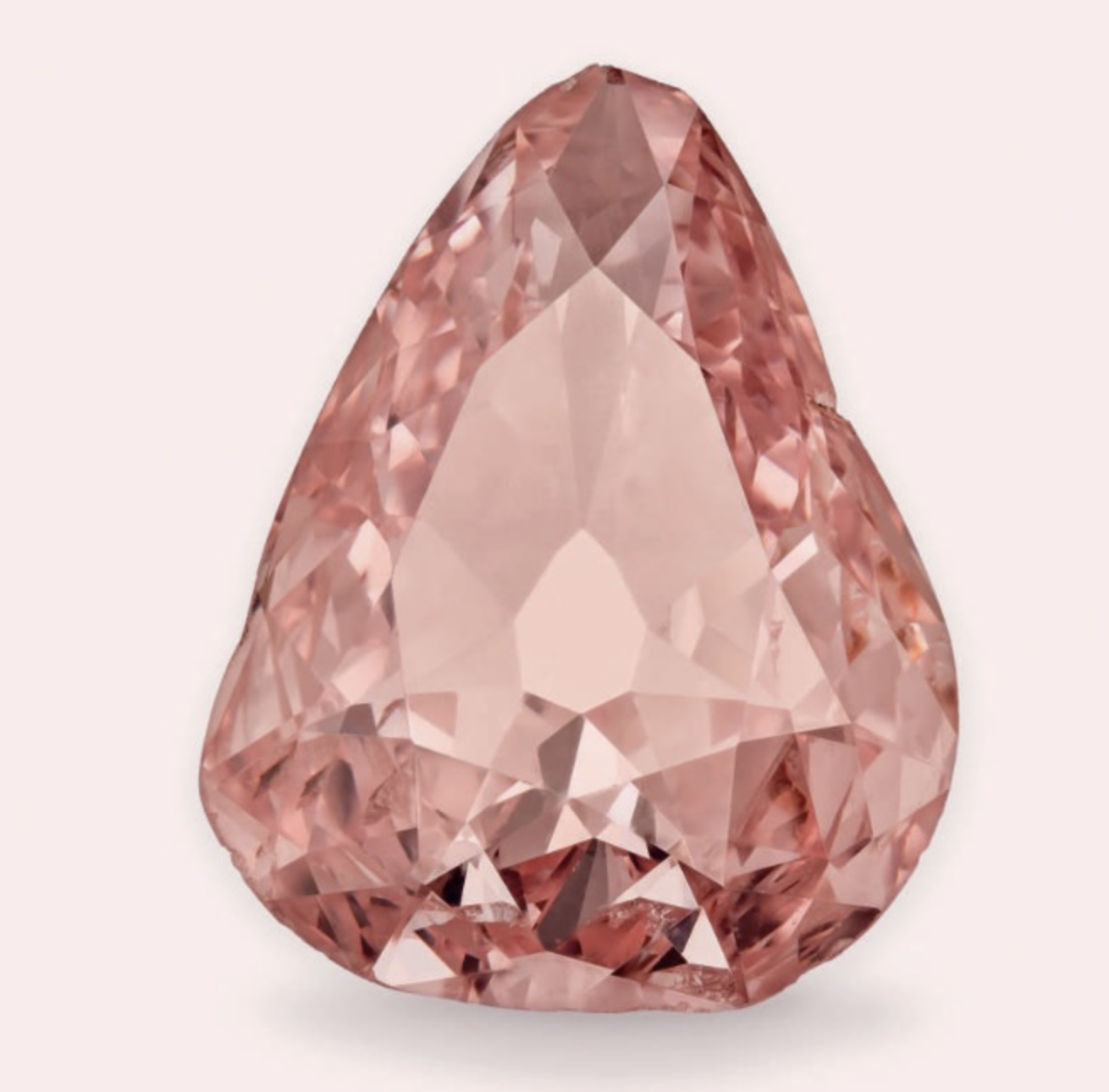
The stone came with one caveat: it had to stay in the male bloodline, from father to son.
During the Revolution, the jewel was hidden away and disappeared from inventory listings. In 1833, it reappeared in the sale after the death of the last Prince of Condé, Louis VI Henri de Bourbon Condé, in 1830, and it came into Marie Amélie's hands this way.
Marie-Amélie de Bourbon-Siciles was born on April 26, 1782, in the Kingdom of Naples. She was one of the 18 children of King Ferdinand of Naples and Queen Marie-Caroline of Austria, sister of Marie Antoinette. On November 28, 1809, she married Louis-Philippe, duc d’Orléans and King OF the France from 1830 to 1848.
Their marriage was a rarity in the world of the monarchy; they fell in love.
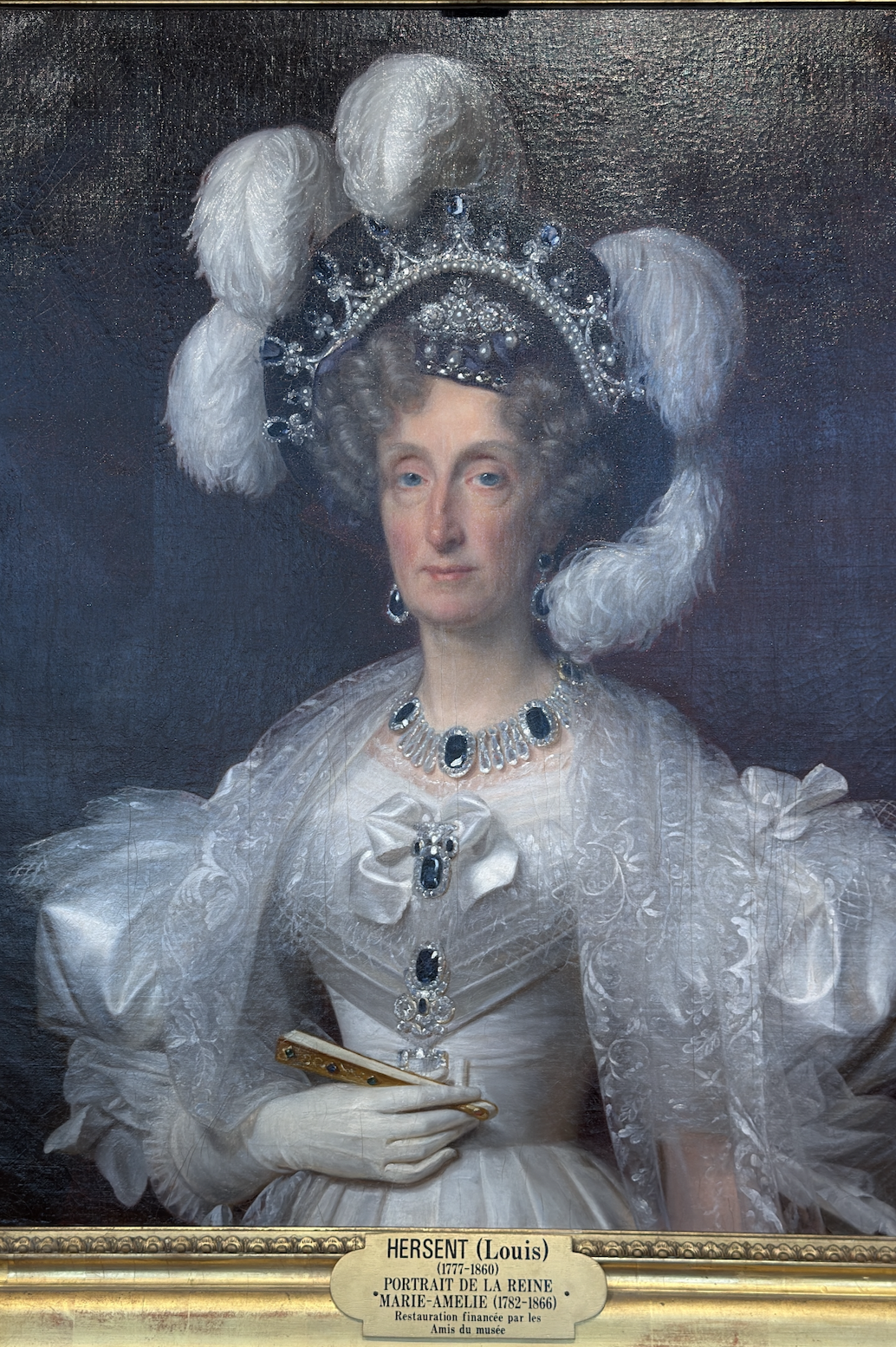
Marie-Amélie never met her aunt Marie Antoinette or her husband Louis XVI, but after they died in 1793, she had a fear of dying a violent death. She rarely wore jewelry or did anything that seemed outlandish or showy. As her husband became the King of the French and more of a man of the people, she also wanted to be the anti-Marie Antoinette.
But that didn’t stop her husband from buying his wife an entire sapphire collection that was partially stolen from the Musée du Louvre on October 19, 2025.
Marie Amelie died on March 24, 1866, and left the stone to her grandson Prince Louis d’Orléans de Condé. Sadly, he passed two months to the day later, and the jewel went to his father, the duc d’Aumale. This is how it returned and became the star of the museum named after the Condé line.
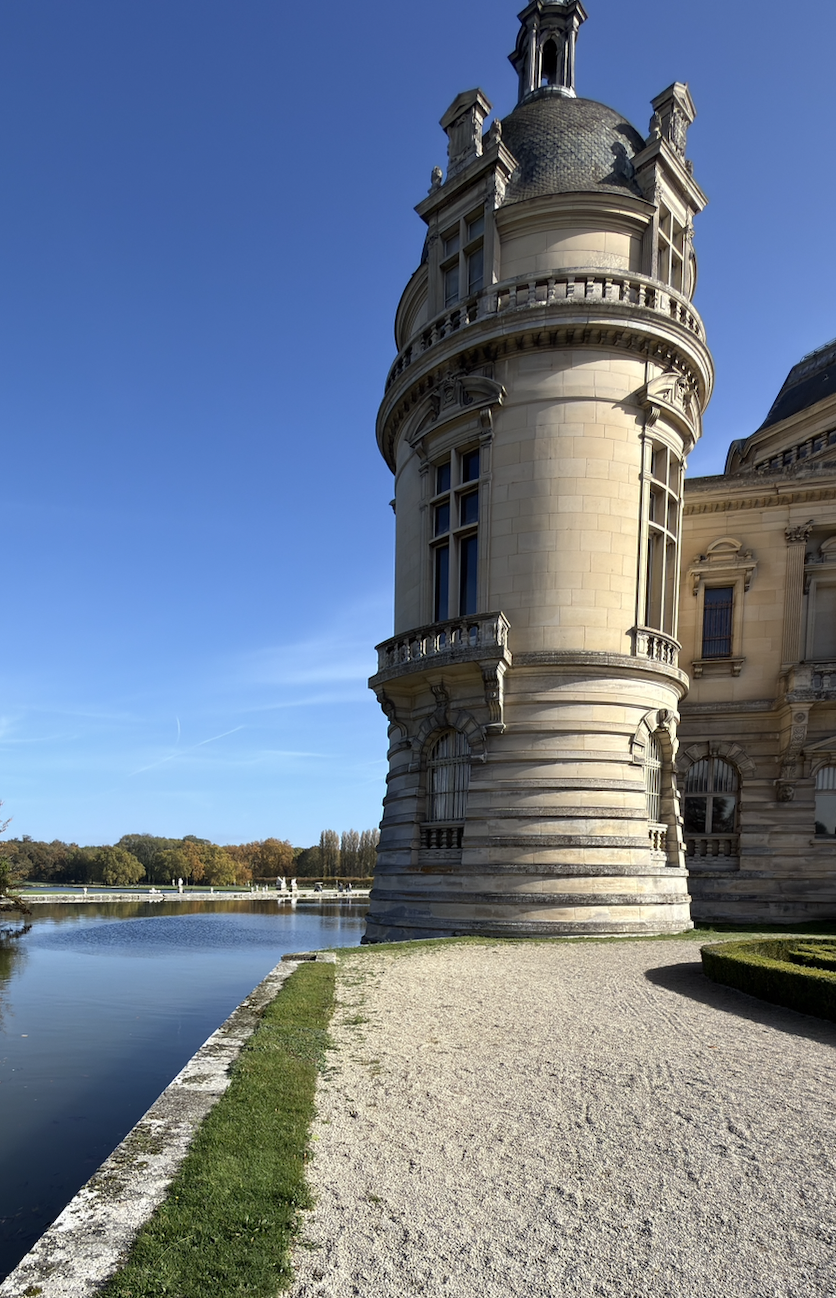
One hundred years ago last month, in the dark of night at 3 am on October 12, 1926, two thieves broke into the Château de Chantilly. It was a dark and stormy night in the countryside north of Paris with raging winds, perfect for covering up the sounds of a break-in.
The thieves boarded the train at the Gare de Nord around 8 pm, traveling north to the woods surrounding the château of the Condé descendants. Although this was a hundred years ago, they still had ample security on the ground-floor windows and roving guards.
The two Alsatian thieves you will soon come to know visited the château on October 10 like any other tourist, but also cased the joint, watching the security and the times they patrolled the grounds. On the evening of October 11 and into the early hours of October 12, guardian Jules Joisneau paced through the interior, watching over the former duke's incredible collection while Félix Parrain battled the wind outside the château.
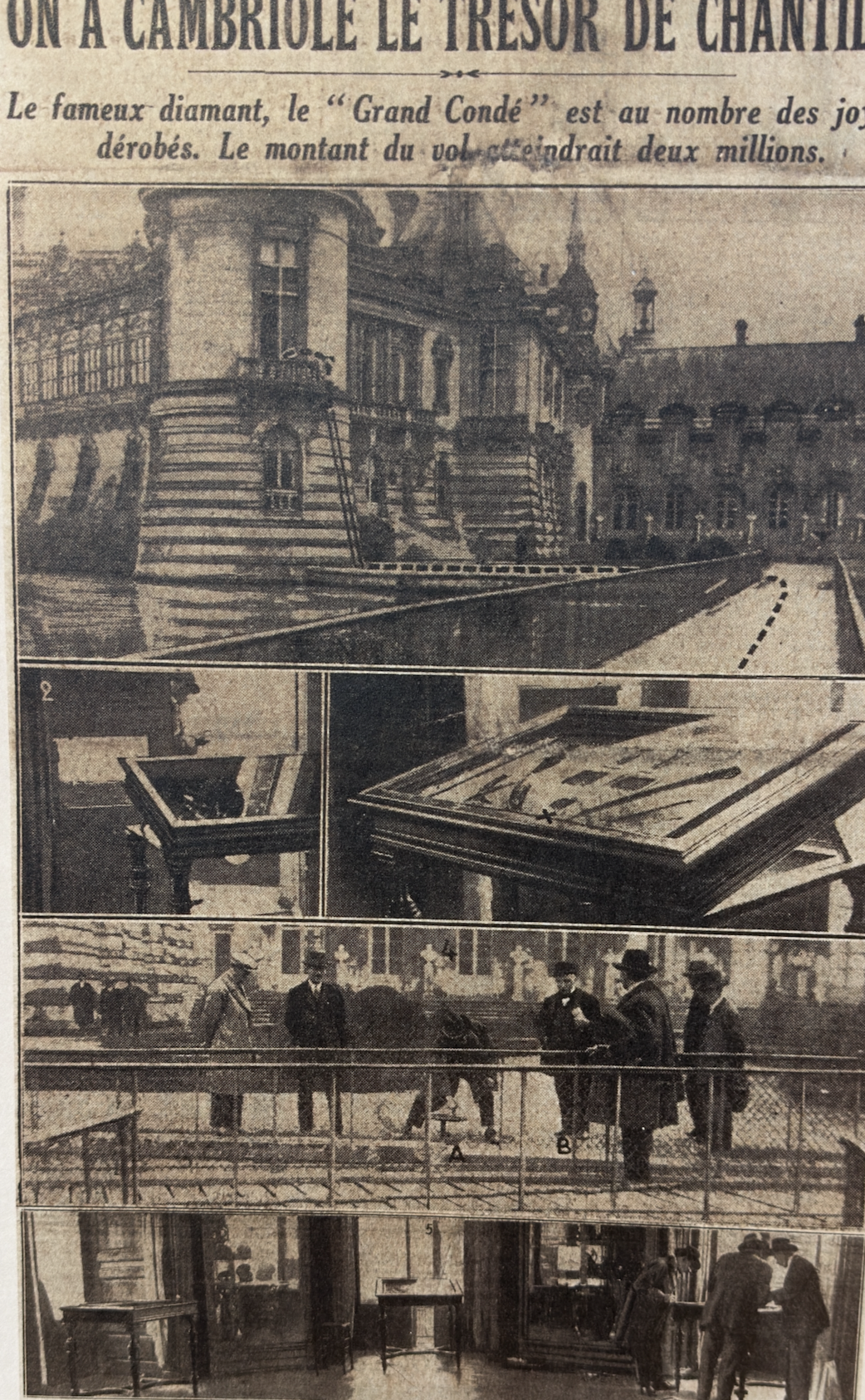
The two thieves noticed a hole in the rounds at 3 am and they knew that was their moment. With a ladder taken from the famous racetrack, a rope, a handsaw, and a small tree cut down to use the trunk as a pole, they entered the grounds and hid in the bushes on the other side of the surrounding moat. The dark, stormy night played to their advantage, making it easy to spot the flashlight from the exterior guard.
Now, this wasn’t quite as simple as the break-in at the Musée du Louvre. The Château de Chantilly and the Musée Condé had an extra layer of security: a rotating bridge. Still in use today, it connects the Pont Tournant to the château and can be turned to block access. So, these two worked quickly. They first tied the ladder together with a rope, allowing them to crawl across the river, then used their tree trunk to manipulate the bridge into place.
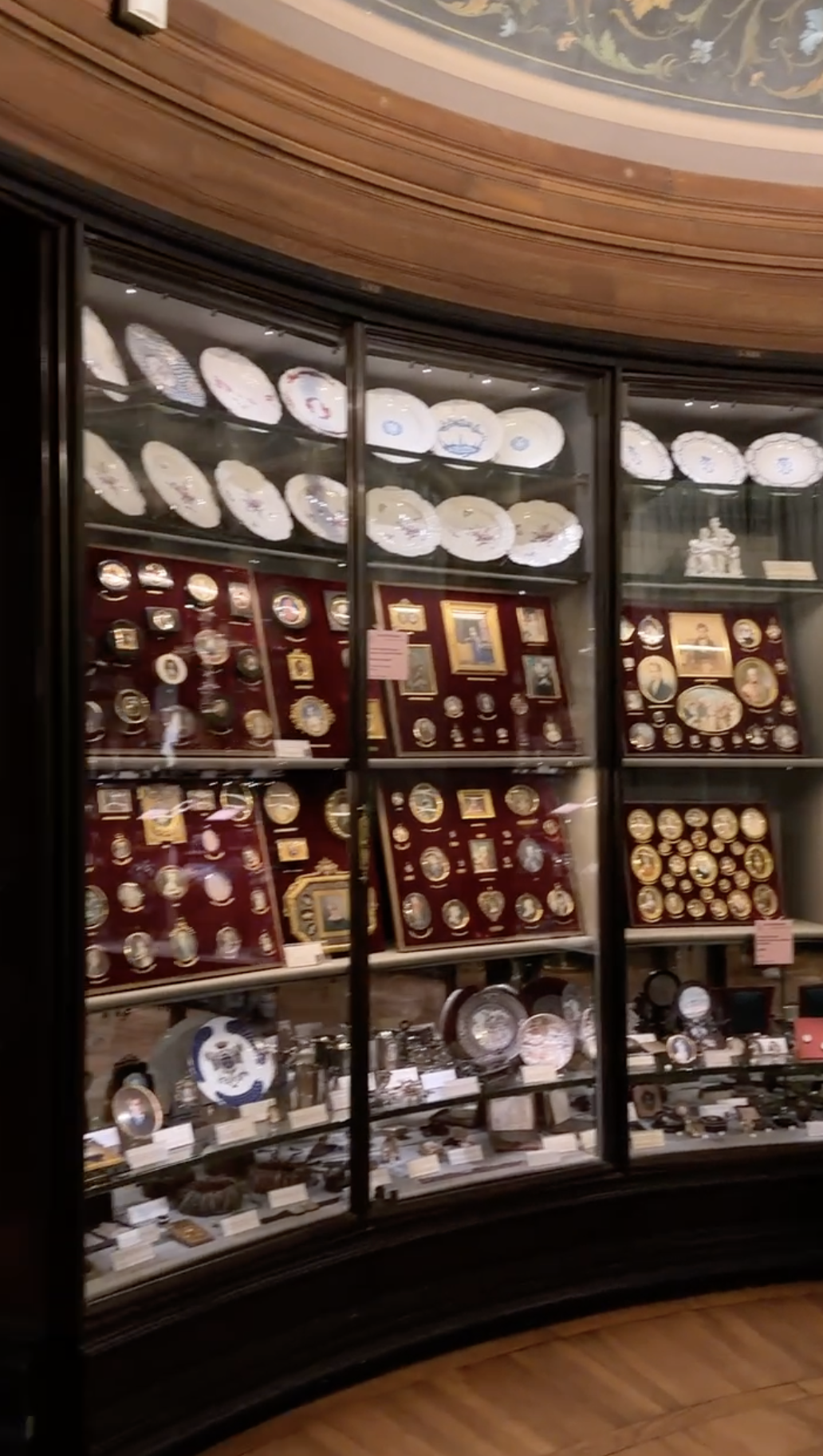
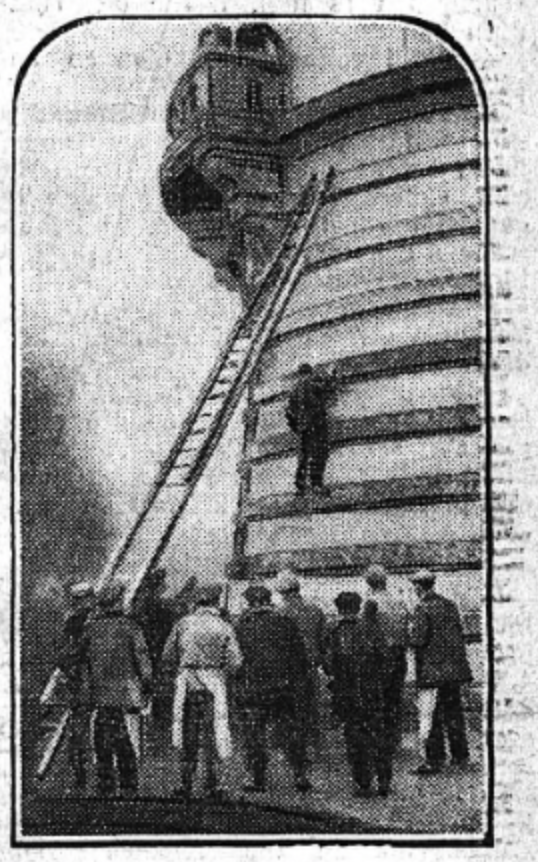
A lovely wood-paneled room with cases filled with snuff boxes, treasures, and family keepsakes. The Condé jewels were kept on the first floor in the northern Tour du Trésor in the gemstone room. The crooks placed the ladder against the balcony, climbed the exterior, and broke the glass. They then drilled 8 holes into the shutter in a diamond shape, used the bolt cutters to bash through the hole, and turned the large bolt lock to enter the room.
The other thief waited at the top of the ladder to grab the looted items. Once inside, the thief was inches from the collection of diamonds and other treasures. The first case he broke into held silver and vermeil items as well as an important historical suit of armor and Chinese vases, but they didn’t take anything.
The second case was a flat case topped with thick glass, but it was no match for a strike from the bolt cutters. The case held two necklaces from Abd-el-Kader’s palace. A Legion of Honor cross covered in diamonds, belonging to Baron Aymard and given by Napoleon. Two daggers that once belonged to Abd-el-Kader, their hilts adorned with pearls and diamonds. A belt buckle from the Bay of Tunis, a trophy from the Duc d’Aumale’s time in the military. And the Grand Condé diamond. At the time of the theft, it was mounted in a tie pin and surrounded by small diamonds.
The third case held enameled miniatures and antique watches they left behind. Still, he did steal four gold bracelets with miniature portraits of the Duchess of Montpensier, the Duc d’Aumale, Emperor of Austria Francis I, and the Belgian Queen.
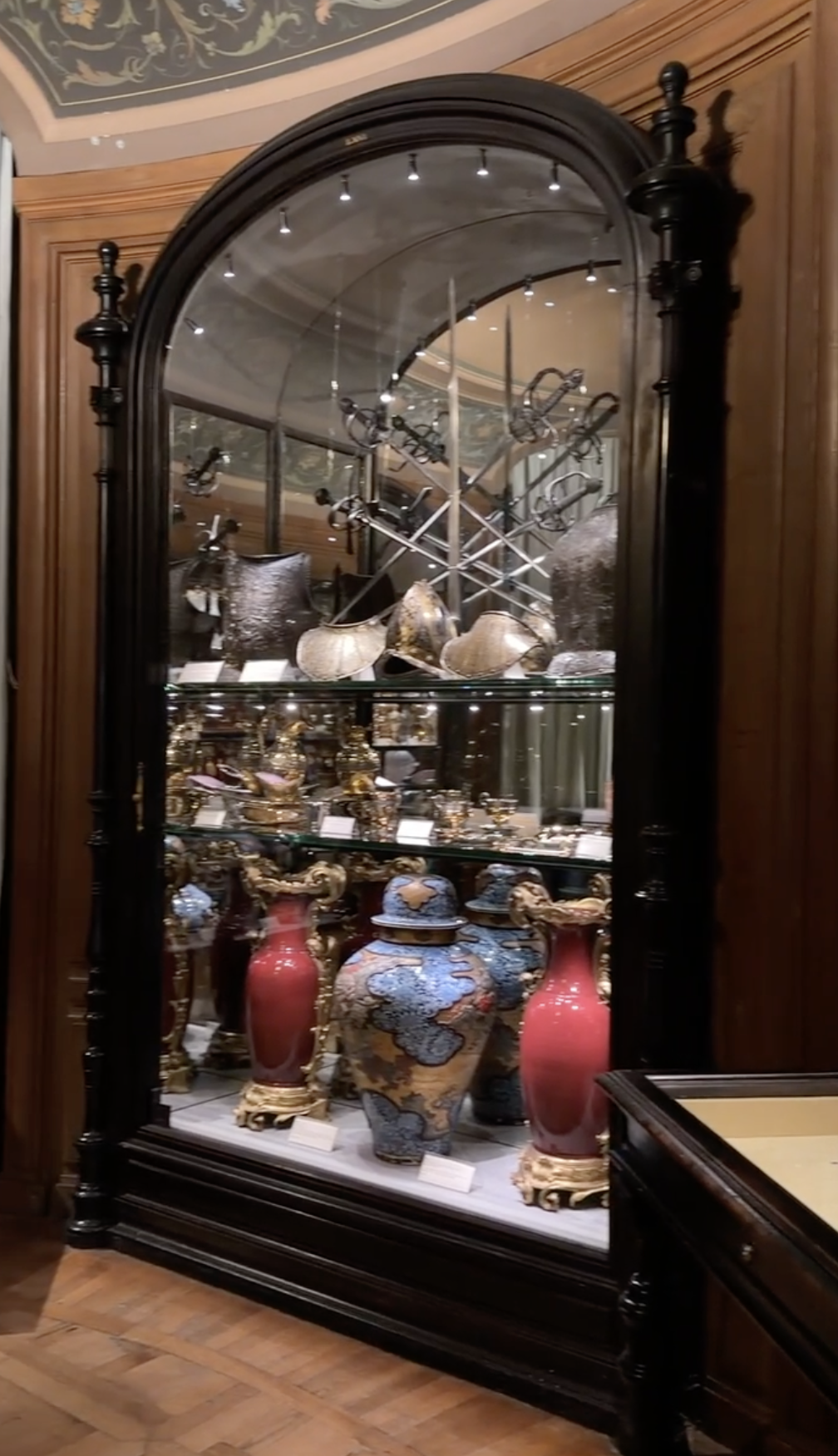
Numerous gold boxes, including one that belonged to Louis XV. A gold pocket watch by Robert de Courvoisier and a second by Agero. They also took tabacs covered in mosaics and gems, and a small gold watch.
While they seemed selective in what they took, they also weren’t very knowledgeable about what was real and what was less valuable, including an ecclesiastical ring with a crystal cabochon that wasn't worth much.
The small round room was easy to ransack, and the Condé collection quickly escaped back out the window.
Within a few minutes, they stole not only the pink diamond but also 78 other precious items.
In their escape, they dropped their various tools, but sadly, none of the jewels or stolen booty. Investigators would find the handsaw near the racetrack between the chateau and the train station. They tossed the tree trunk and the ladders into the moat.
A few hours later, the morning guards arrived, imagining it was going to be like any other Tuesday morning. Getting ready for the opening, they turned the bridge into place, and once the guard turned around, he was horrified to see a rope hanging from the balcony and the window broken. Racing inside, through the dining room and into the small jexel box of a room, they came upon their worst nightmare.
Quickly, the authorities were called, as well as the head curator, Gustave Macon, who had the painful job of inventorying what was left behind. So distraught over the loss, he contemplated ending his life.
As news of the theft appeared in dozens of papers, the same arguments we saw 99 years later resurfaced. In every corner of Paris, people wondered why the real stones were even displayed and why museums didn't place fake copies. That is actually what the Musée Condé did until the recent very special exhibition.
Another parallel to the Louvre heist is that the investigative team led by the Sûreté Générale believed the theft must have been orchestrated by an international thieving organization. Word spread quickly to the law enforcement agencies across Europe, but the leads quickly died.
A few things had changed since the last major theft, the Mona Lisa in 1911. At the time, fingerprinting was just being introduced, and even then, they took prints only from the right hand. Fifteen years later, police agencies had advanced their cataloging, and the few prints recovered were sent to Scotland Yard and Belgium.
They got their first break from the discarded saw that was found near the racetrack. Remember, this is 100 years ago, so the cops on the beat really had to do some work tracking down the clues. They didn’t find any fingerprints, but they found part of a tag marked U / 9 - in pencil. They traced the saw and the rope to a hardware store at 6 rue de Saint Quentin, halfway between the Gare du Nord and the Gare de l’Est.
A bigger break came when the owner described the two men. The first was rather short, around 5.5, with dark brown hair and clean-shaven, wearing a khaki raincoat and hat; he spoke French and was in his 30s. The other man stayed by the doorway; he was shorter, older, and also wearing a khaki coat. Even 100 years ago, there was the basic French outfit, and they didn’t even have Instagram.
Two days after the theft, they began recreating the plausible route of the four possible thieves. After taking the ladder, they would have walked down the Avenue de la Pleine des Aigles to the eastern side of the chateau, where they jumped a wall with the aid of the ladders and headed into the bushes.
Over the next two months, the investigation hit a brick wall, with no leads, until….
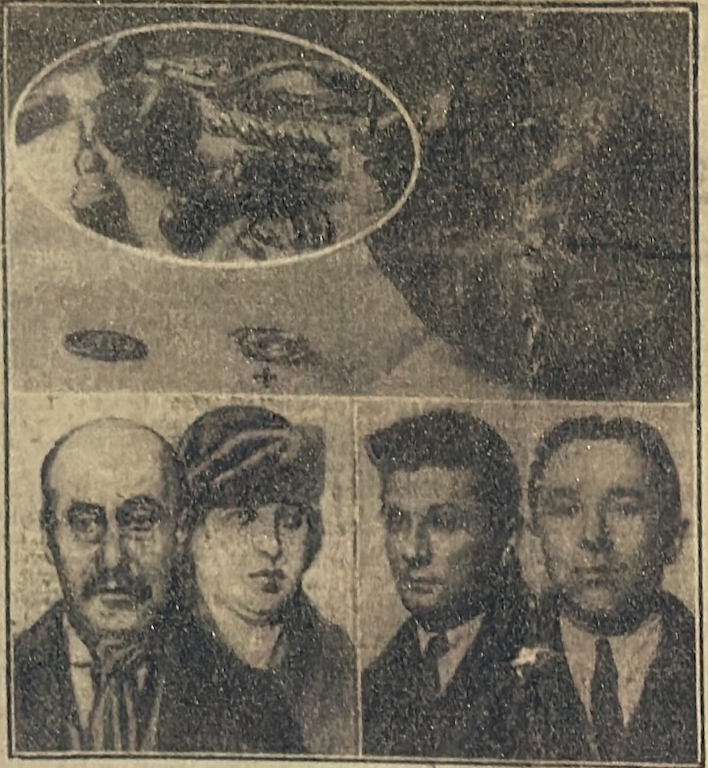
On December 18, 1926, the pink diamond was discovered in one of the most unlikely of places. One of the thieves had been staying at the small Hotel Metropol at 56 Boulevard de Strasbourg, five blocks from the Gare de l’Est. On December 16, he left, saying he was going to Bordeaux and would return the next day. Two days passed, and he hadn’t returned or paid for his stay, so the owner grew worried he was skipping out on his bill.
The owner, Madame Pontonniée, sent Suzanne Schiltz to clean out the messy room. They removed and inventoried all the tenant's belongings, then locked them in the basement. In his suitcase, they found a shiny red apple and, worried it might rot, they removed it. Several versions of what came next exist.
Either the apple was given to the kitchen and the chef cut into it, or the chambermaid Suzanne Schiltz bit into it; either way, they discovered the 9-carat pink Grand Condé diamond. They knew what it was immediately, as the description but not a photo had been in the paper for two solid months.
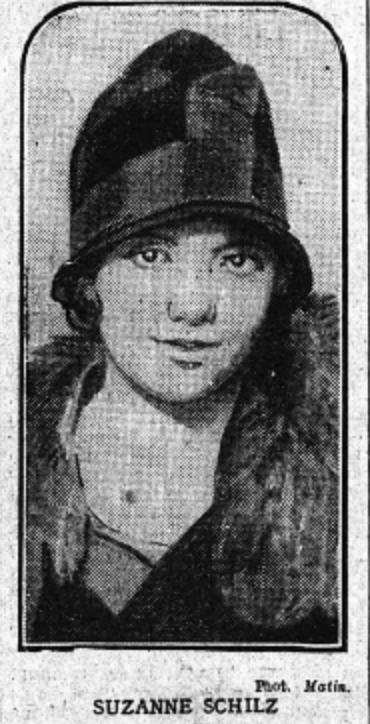
Madame Pontonniée told her husband what she thought they had found, and he paid a call on his friend Monsieur Laurens, the special commissioner at the Gare du Nord. After showing it to his own boss, they thought it could be the famed diamond, but they couldn’t know for sure. Before alerting the police, they would wait until Monday, when a jewelry store at 13 Boulevard Saint Denis, steps from the arch of Saint Martin, would open, and see if it was, in fact, real.
After learning they had the Grand Condé pink diamond in their hands, they returned to the hotel. At noon, lo and behold, the thief, Léon Émile Kauffer, returned. Everyone was acting cool. He was told the original room he had been staying in since November 18 had been rented out, and they would give him a new room; nothing seemed amiss.
Finally, after almost 48 hours since the diamond was discovered, the police were called. They hoped to find his cohorts, so the police lay low. Meanwhile, the manager told him that the luggage boy was out and he would return later. The next day, the thief came to the desk and asked for his bag. In the lobby, the thief was reunited with his suitcase. When he opened it, they asked if anything was missing; he knew then the crime spree was coming to an end.
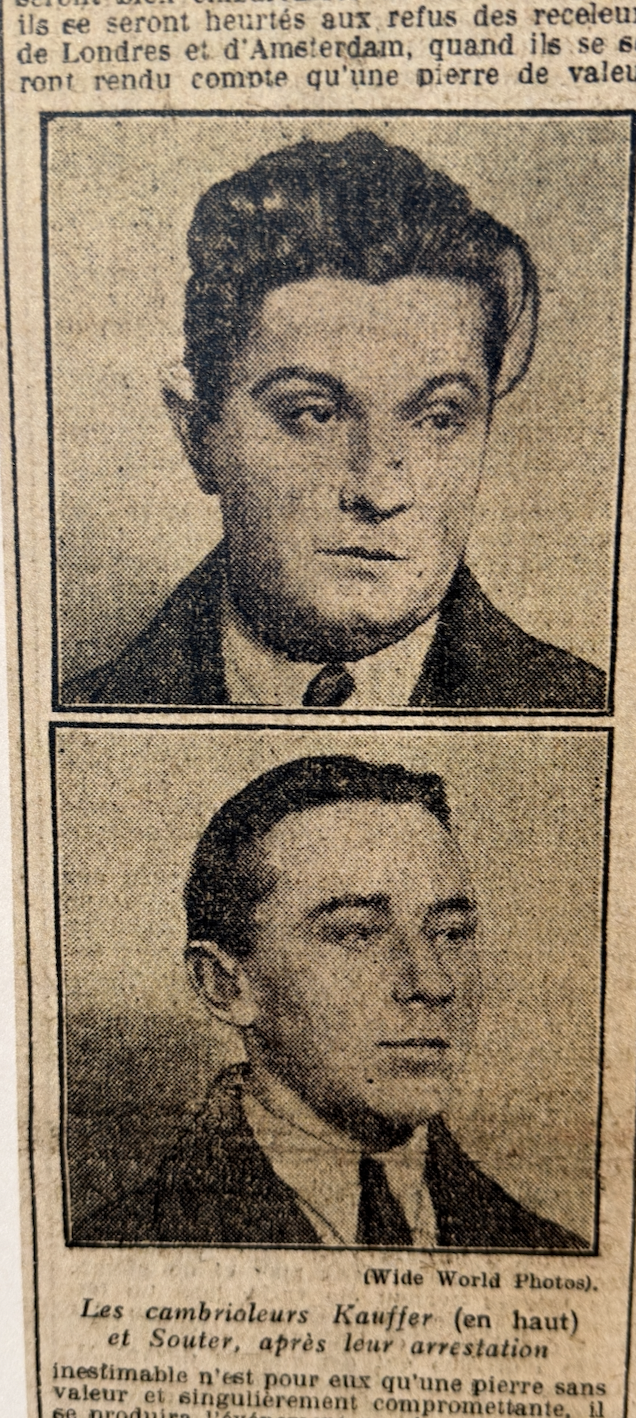
Léon confessed immediately and gave up the name of his accomplice, his cousin Émile Auguste Souter, who happened to walk right in the door at 1:15 pm. Souter had been staying down the street in a hotel on the Rue Saint Laurent.
Unlike the Louvre thieves, who kept their mouths shut, the Chantilly thieves spilled the beans immediately. In the days after the theft, the two took their bag of loot to jeweler Nelly Schill at 50 Boulevard de Strasbourg. She agreed to purchase the jewels, but wanted nothing to do with the famed pink diamond. Schill paid the two 25,000 francs for the jewels and then turned around and sold the bulk to Jacob Goldenratt, who owned a shop at 32 rue Saint Georges. The jewels kept changing hands from jeweler to jeweler until the police stepped in and confiscated everything they could find, although now it was just a bag of loose gems.
The Musée Condé and curator Gustave Macon were elated when the news spread that the pink diamond had been recovered.
Who are these two thieves, you ask? The two cousins lived very different lives. Léon Kauffer was born April 5, 1897, in Saverne, outside Strasbourg. After a brief stint in the Foreign Legion in the final months of WWI, he married his war “godmother,” who brought a rather large dowry. The two settled in the Bas-Rhine region near the German border, and used the dowry to buy into the niche world of the Angora rabbit fur trade. At first it was a booming business, but after two years the rabbit fur market began to tank. Things weren’t going well for Léon, so he headed to Paris a few months before the theft. A real Léon in Paris story ready for Netflix.
Thief number two, Léon’s younger cousin Émile Souter, was born on December 17, 1905. In 1925, he had served briefly in the air force as a pilot in Morocco until he was injured and left the military at the end of the year. Émile always lived in the shadow of his older cousin and easily went along with any crazy idea he had.
After their arrest at the station, they divulged all the details; Souter scaled the wall and entered the chateau. With the stolen gems and treasures in their bags, they grabbed the first train back to Paris and the Gare du Nord. Back at Kauffer’s hotel, they split the loot into three piles and spent the day removing the jewels and pearls, tossing the gold settings into a pot melted over the fire. They tossed what wasn’t melted down into the Seine. Léon also had a notebook in his pocket at the time of his arrest with a list of privately owned chateaus and wealthy Parisians; their next heist had been interrupted.
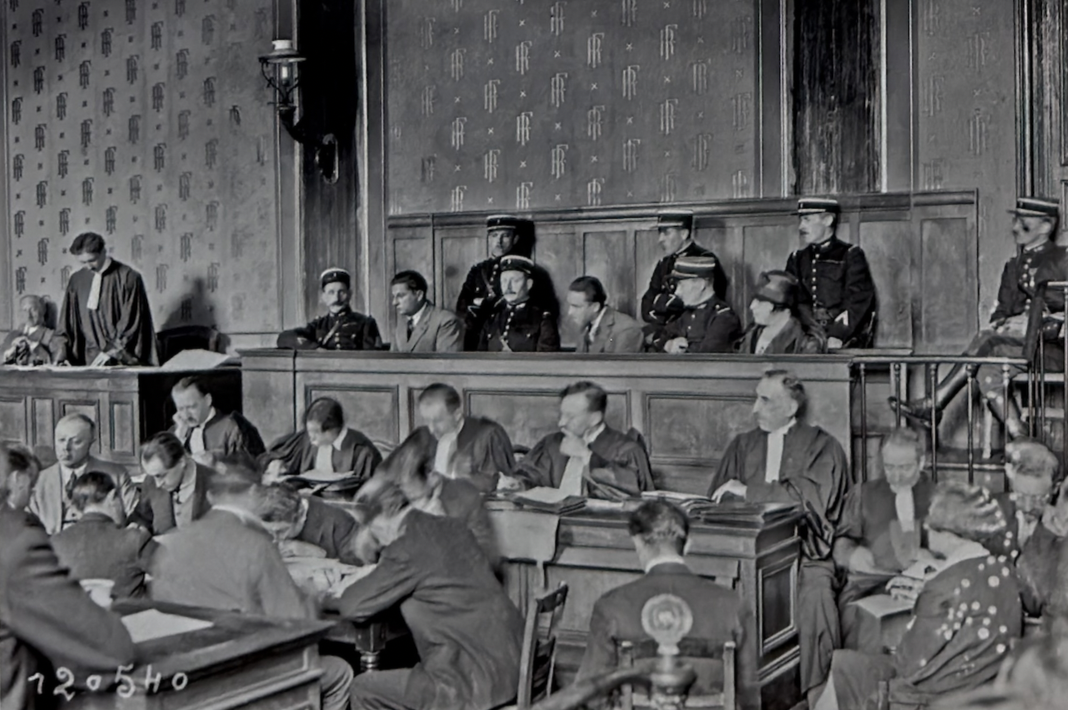
The slam-dunk trial began on June 27, 1927, at the Cour d’Assises de l’Oise in Beauvais. The thieves' lawyers asked if the museum and cathedral had learned a lesson from the crime and would enhance their security. Maybe they were doing a service by pointing out the flaws; I hope the Louvre thieves don’t get any ideas, but they might be able to use that one a bit more than these two.
After scouring all the newspapers published at the time, the trial was held in a more open setting, with all the defendants on trial and questioned at the same time. The president, Le Clerq of the court of Amiens, presided over the trial that captured everyone's attention.
At 12:30 pm, the trial opened with two clean-shaven crooks ready for their day in court. A third defendant arrived that morning dressed to the nines. Madame Schill strutted into court wearing a black wide-brimmed straw hat, a black coat trimmed with fur, and a purple blouse. A star-shaped ruby brooch and a pearl necklace rounded out her look, and with red lips, she made eyes at the judge and each lawyer.
The first witnesses stepped up and recounted what they saw. Director Gustave Macon recalled the worst two months of his life. Each guard noted that they didn’t hear anything over the wind and rain.
How would the defendants fight their case?
Kauffer, who was born in Germany, joined the French Foreign Legion, such a selfless act, and he, in fact, did a service by helping to point out the security holes. (Never mind the theft and destruction). And in a turn of events, Kauffer blamed- get ready for this- his wife and his accomplice Souter backed him up.
Kauffer’s side of the story was that his wife came to Paris with a broken necklace and took it to the jewelry shop of M. Schill. Somehow, their conversation led to the sale of stolen gems. He doubled down on the claim, and she told her husband where they could find a lot of diamonds that would be easy to steal.
Kauffer responded that he “worked in fur, not jewels”
During the trial, it was revealed that Kauffer had taken part in other thefts, many of which had gone unsolved. Since they didn’t weigh on the current trial, they were set aside.
However, Kauffer said his wife was also behind those thefts, handled the sale of the loot, and involved Madame Schill.
After hearing all of this, the judge said: “You separated from this woman?”
He only responded with, “She cheated,” which she quickly denied.
She was pulled before the court and testified that she had nothing to do with the crime, as she was dripping in jewels and Angora fur. Ok not that last part; I made that up.
Then his mistress took the stand. Eugénie Decurty had been receiving money from her lover, and they planned to move to the Ivory Coast before his arrest. They tracked that a large sum of the money from the looted goods had been sent to her as well. In the days after the pink diamond was discovered, she was arrested in Strasbourg on December 22, 1926.
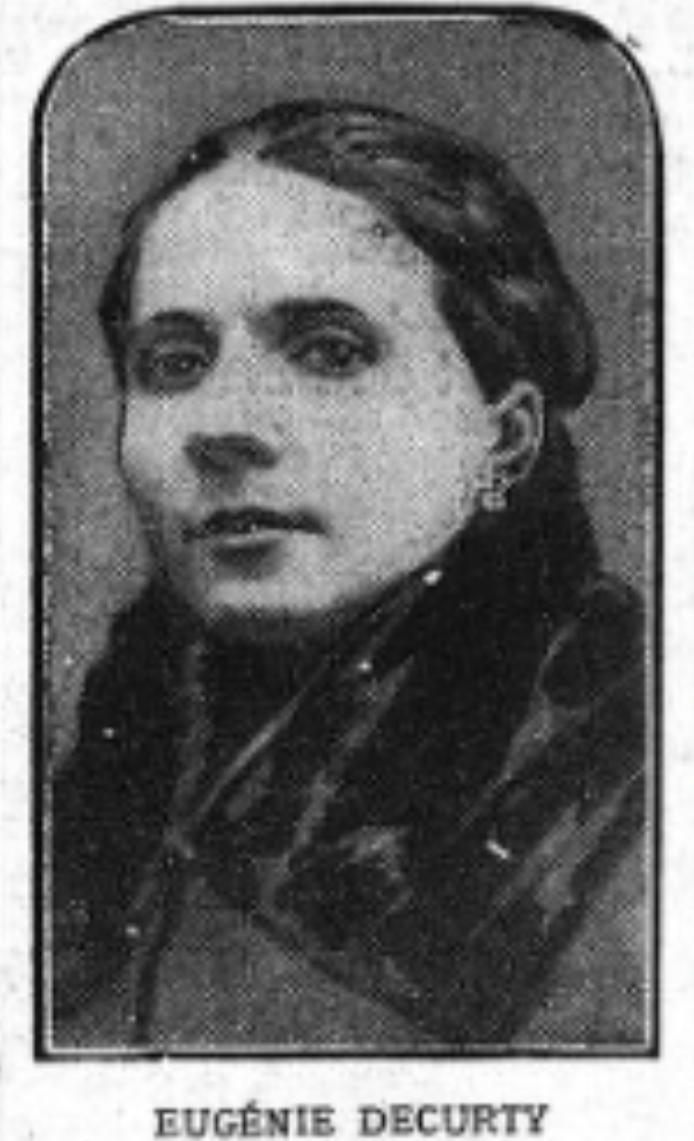
Eugénie Decurty had been involved with Kauffer since April 1924. The young lady once worked in a shoelace factory, but that was too boring, as you can imagine. Answering an ad in the paper, she met Kauffer, and after months of letters, he invited her to move to Strasbourg. He got her an apartment and a monthly allowance, and before the crime, the two planned to move to the Ivory Coast.
As for Kauffer’s cohort and cousin, Émile Souter and his lawyer argued that he had grown up with numerous challenges. As a child in Alsace during WWI that saw much of the battle, leaving emotional scars. The truth was that his cousin easily manipulated and controlled him.
As for Madame Schill, her lawyers claimed that their client was unaware of the provenance of the jewels or melted-down gold and that she hadn’t done anything wrong.
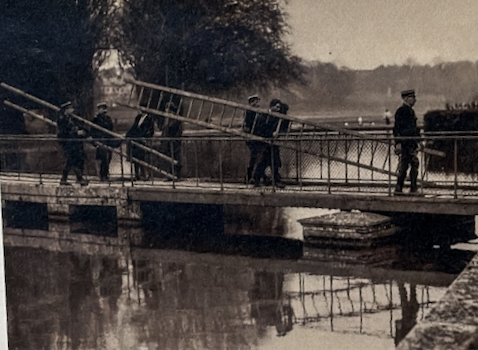
On March 19, 1927, to prepare for the trial, a full reenactment of the crime was held at the chateau with the lawyers, judges, and even Kauffer and Souter, as well as Gustave Macon, curators, and the guards who had been on hand just five months earlier. Surprisingly, the thieves who had pleaded guilty from the moment of their arrest were the ones who reenacted the crime. They walked them through how they moved the bridge, tied the two short ladders together, and climbed into the window. The press was also on hand and photographed each step, including Souter himself, scaling the facade.
The lawyers argued that the video should be shown to the judge and jury, and after hours of negotiations, they agreed. They not only showed the cinematic recreation, but also screened it at the local town hall, packed with the public.
The trial lasted four days, and the verdict was handed down on June 30, 1927. The two thieves' lawyers asked for hard labor camps for their clients, but the judge handed down a stiffer sentence.
This was when the past conviction came back to haunt Kauffer. His conviction in Zurich in 1922 was for armed robbery of religious reliquaries, and his sentence was 8 months in prison. Kauffer was sentenced to 10 years, and his cousin, Souter, to 8 years, and both were banned from residing in France for 20 years. On December 19, 1931, President Paul Doumer pardoned Émile Souter.
As for Madame Schill, she was given a suspended sentence of 5 years and a fine of 5,000 francs. And the estranged wife was never arrested.
The diamond finally made its grand return on February 3, 1927, much to Gustave Macon's glee, but it was still kept locked away. Before the theft, the pink diamond was set in a pin and surrounded by small diamonds. During the theft, the gems were separated and the small diamonds sold off.
For its return, Macon decided that it should be placed in a new setting. Jeweler Maurice Seror, who had also sketched and inspected the jewel three months before its theft, had even taken measurements and made casts in wax and plaster.
On June 29, 1928, a new wreath-like setting was created by Seror. In the garden below the tower where the crime happened, Macon, along with the investigators, lawyers, and officials, watched as the pink Condé and the yellow Penthièvre stones were displayed.
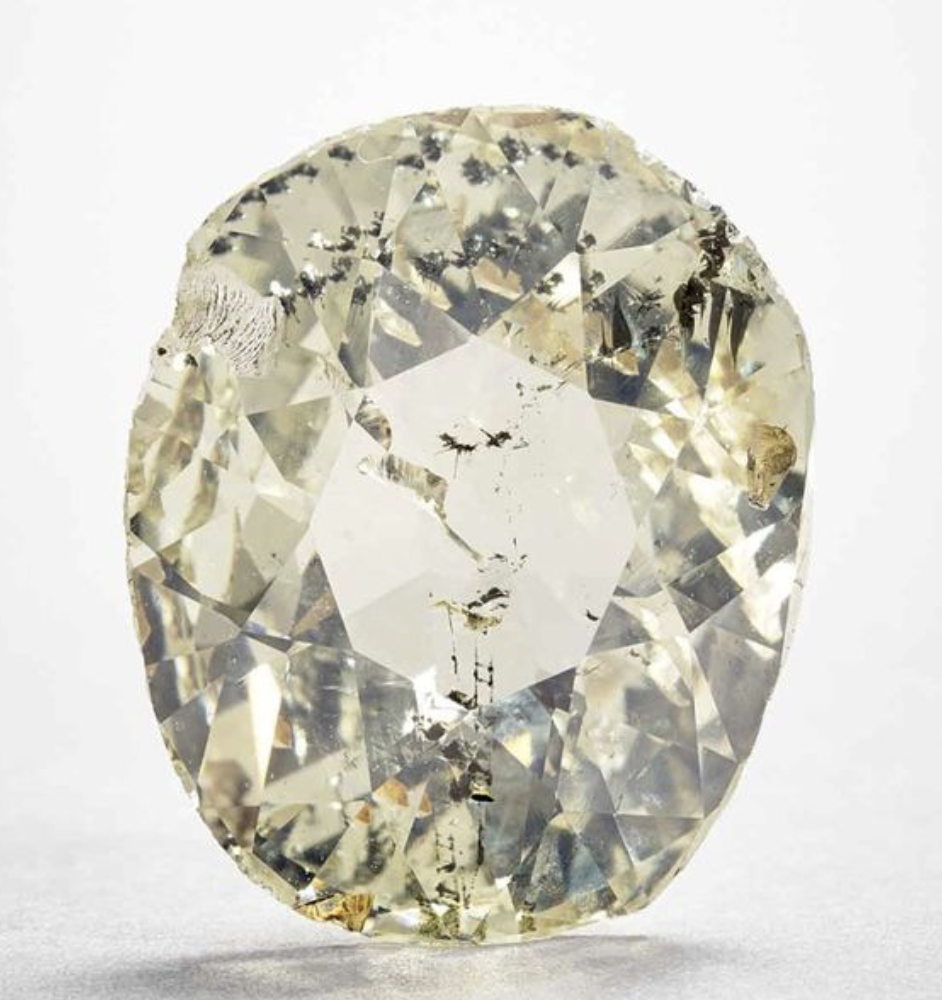
The yellow diamond, often called the Penthièvre or the Janquille de Chantilly, was originally part of the dagger given to the duc d’Aumale by Ahmed Lor, Bey of Tunis. Such a treasured item, the duke took it with him when he was exiled. The thieves removed all the stones and melted down the dagger when they stole it, but they likely found the yellow diamond. At 14.5 carats, it's larger than the pink diamond.
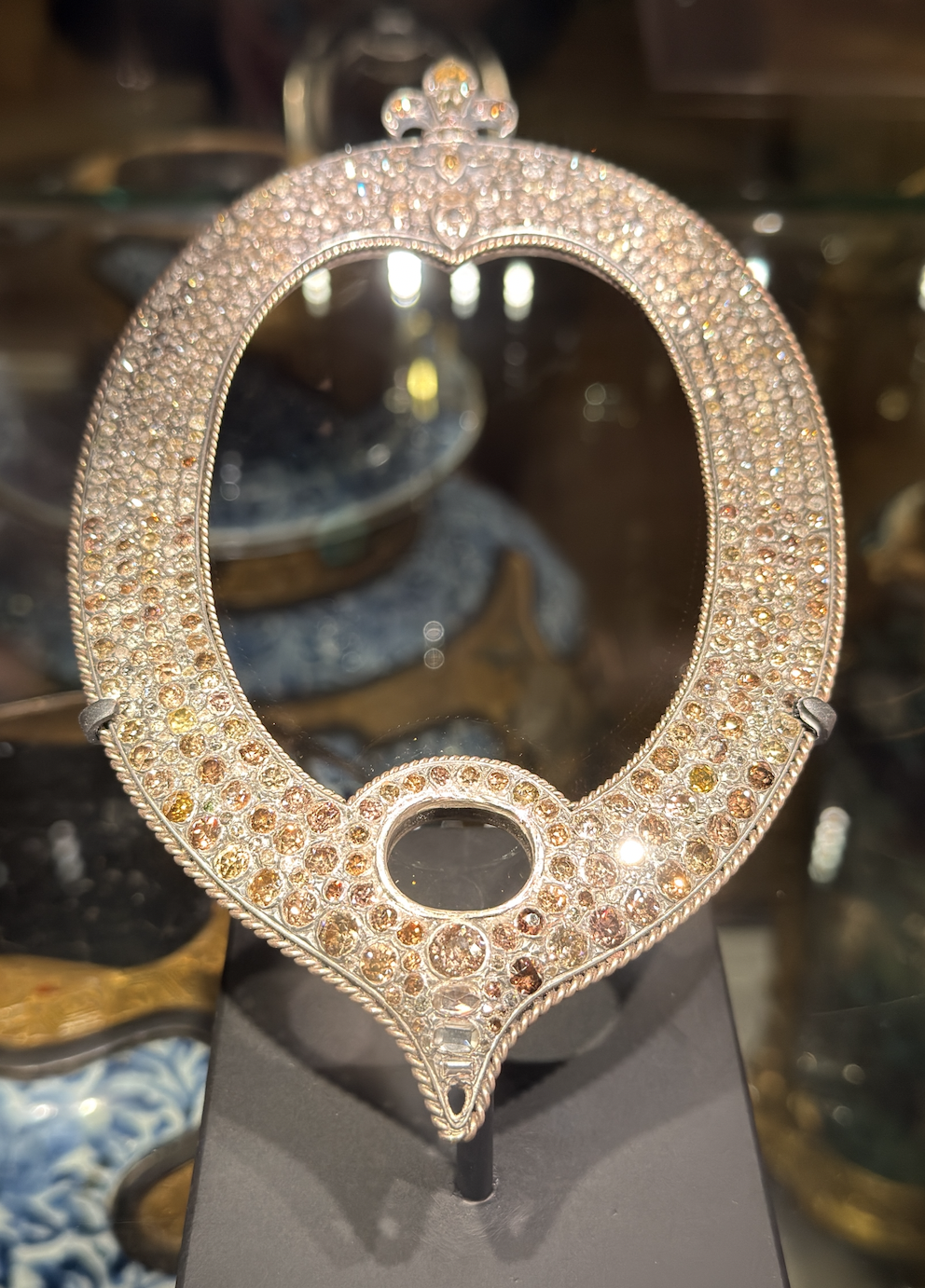
The wreath setting included 684 or 685 diamonds of all sizes and shades that had been recovered after the theft. The setting is made of silver and lined with 18k gold.
At the top, a fleur-de-lis. The Penthevier was at the base of the oval wreath.
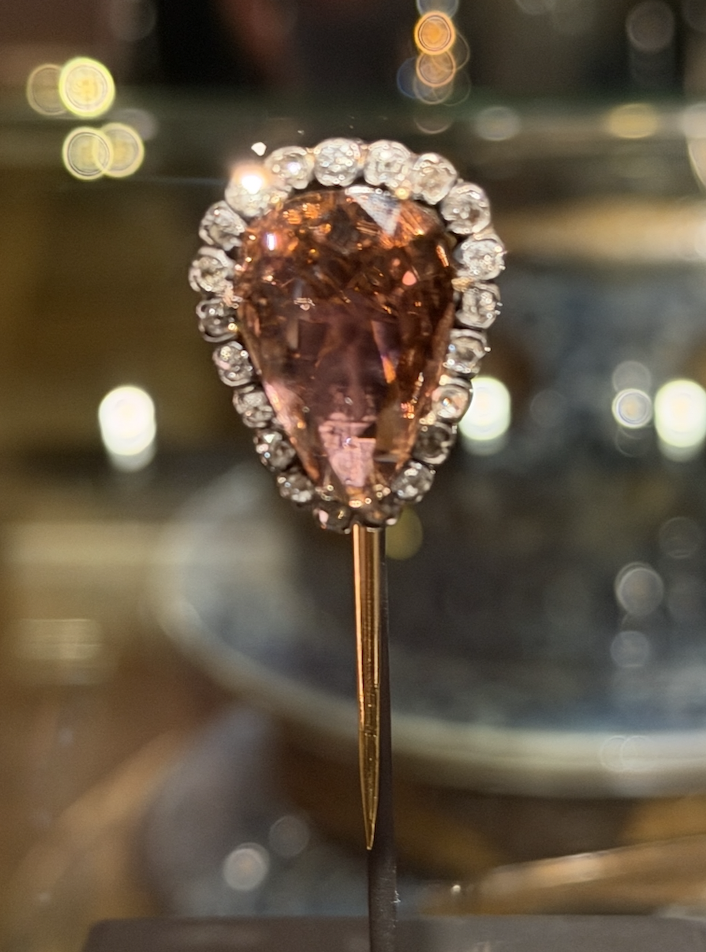
The pink diamond was placed in a setting floating in the center of the blue velvet cushion. You can still see the wreath in the Chantilly alongside the copy of the pink diamond, replaced with a tourmaline surrounded by faux diamonds.