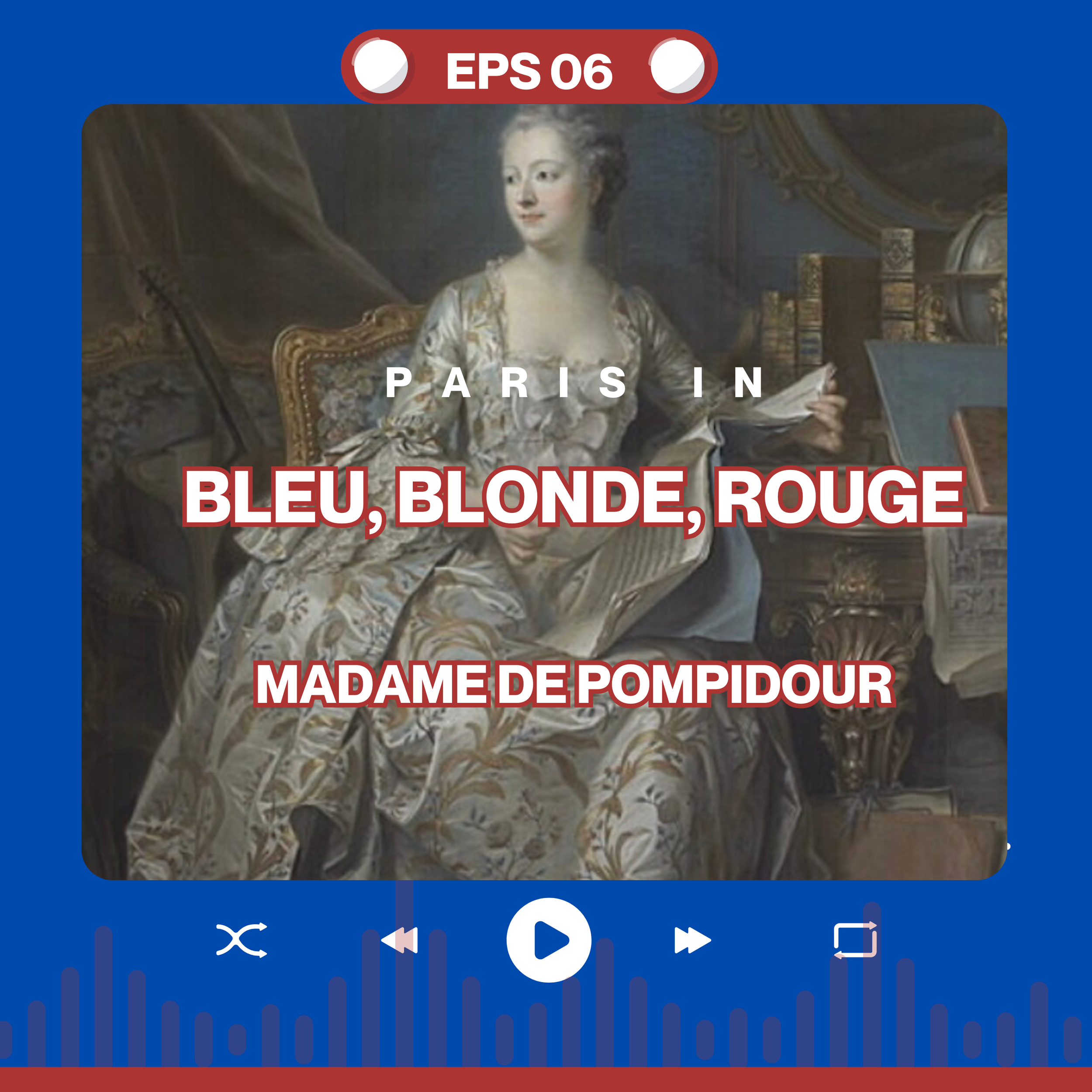
Known as the mistress to the king, the Marquise de Pompadour was much more than that, and we can thank her still today for beautiful buildings, art, porcelain, and even a diamond.
Jeanne- Antoinette Poisson was born on December 29, 1721, in Paris. Her likely father, François Poisson, had worked for the Regent Philippe d’Orléans before serving as a commissioner for food delivery in Paris. In 1725, a famine followed three months of relentless rain that destroyed most of the agriculture, leading to widespread hunger.
Poisson was apparently running a little business on the side and was convicted of trafficking food and forced to flee France. Settling in Germany, he would never see his daughter again. Jeanne Antoinette and her mother, Louise Madeleine de La Motte, would lose everything.
Madeleine wasn’t lonely for too long and had a few lovers at her ready, one of which might have been Jeanne’s actual father. Women had few choices then and couldn’t really just go out and get a job, or at least a respectable one. Enter Jean Paris de Montmartel, a wealthy gentleman, the fourth sibling of the Paris Brothers, for whom her first husband worked, and the godfather of Jeanne.
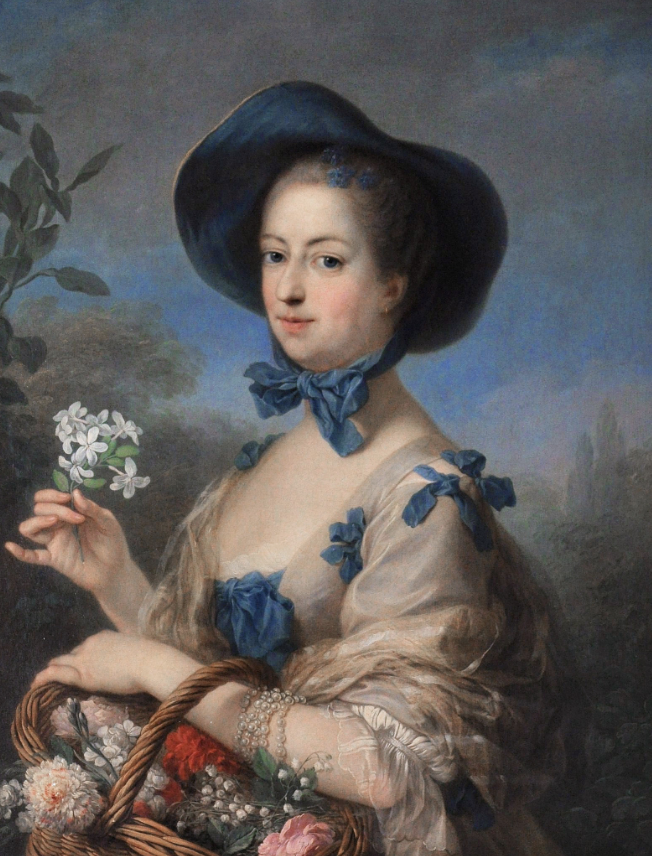
Bachelor number two, Charles François Paul Le Normant de Tournehem, and number one in the running for Jeanne’s father, became her legal guardian when her father was exiled in 1725. Before his exile, her father set-up that when Jeanne turned six, she would be placed in the Ursuline Convent in Passy, where her father's two sisters were nuns. Young Jeanne was educated among the elite and members of the king's court. After three years away, missing her father and often sick, she returned to her mother in 1730.
Upon her return home, her mother took her to a fortune teller, as one does. The woman told her mother that Jeanne “would reign over the heart of the king”. Jeanne noted the event in her own writings, two decades later, noting “six hundred livres a year” to “this woman for having predicted, when I was nine, that I would be the King’s mistress”.
From that day forward, Jeanne was known as “Reignette,” the Little Queen, and was groomed for her destiny. Charles-François brought in the best and brightest to teach her everything from singing and acting to painting and engraving. From a young age, she loved to read and spend time in nature, watching for birds and playing in the garden.
Jeanne hadn’t met the king yet, so on March 9, 1741, at 19 years old, she was married in the Église Saint-Eustache, the same church she was baptised in. Charles Guillaume Le Normant d’Etiolles was the lucky man who was also the nephew of her guardian / maybe father, and sole heir to a vast fortune. Neither was thrilled with the arraignment, but they would fall in love and promised she would never leave him unless the king came calling.
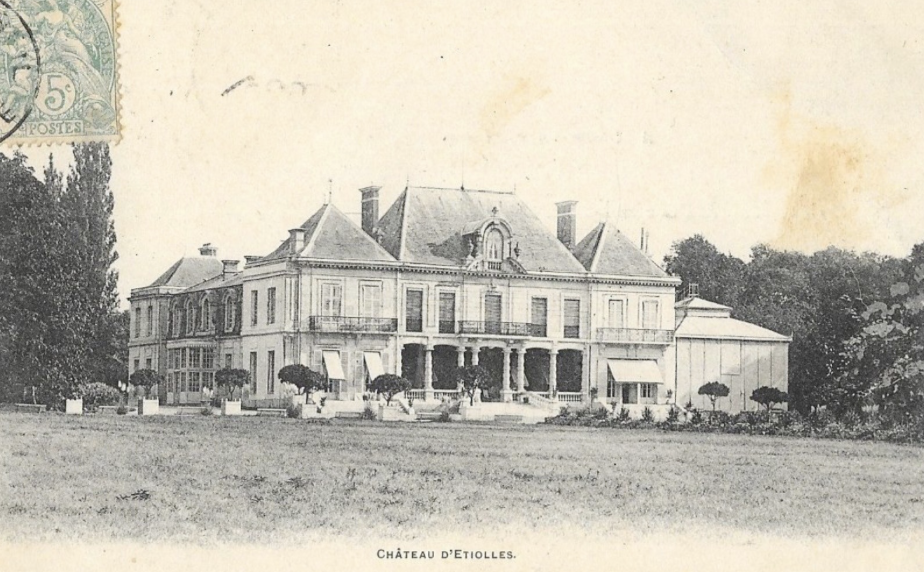
The couple settled into the lovely Chateau in Étiolles, seventeen miles from Paris and more importantly, twenty-five miles from Versailles. Their first child, Charles Guillaume, arrived on December 26, 1741, but didn’t reach his first birthday. Three years later, a daughter, Alexandrine, was born on August 10, 1744. Spending time between their chateau and Paris, the interesting and well read Madmae de l’Etiolles was the belle of the salons. Drawing the attention of the writers, artists, and courtiers, the news of the beautiful and intellectual Jeanne began to spread all the way to Versailles.
The Chateau de l’Étiolles sat at the edge of the Senart forest, a frequent hunting spot for the king. As early as 1743, Jeanne “the Reinette” put herself in the path of the king.
One day, she dressed in a beautiful blue dress, hopped into a pink carriage, and cut into the path of Louis XV. The striking Jeanne caught his attention but sped away, causing the king to ask everyone who she might be.
Months later, in the fall, now dressed in a pink dress and riding in a blue carriage, she crosses his path again. This time, the king now knew who the beauty in the pastel dresses was and sent her a special gift, an entire venison that he had killed. Nothing says love like a massive animal. Is there any romance anymore?
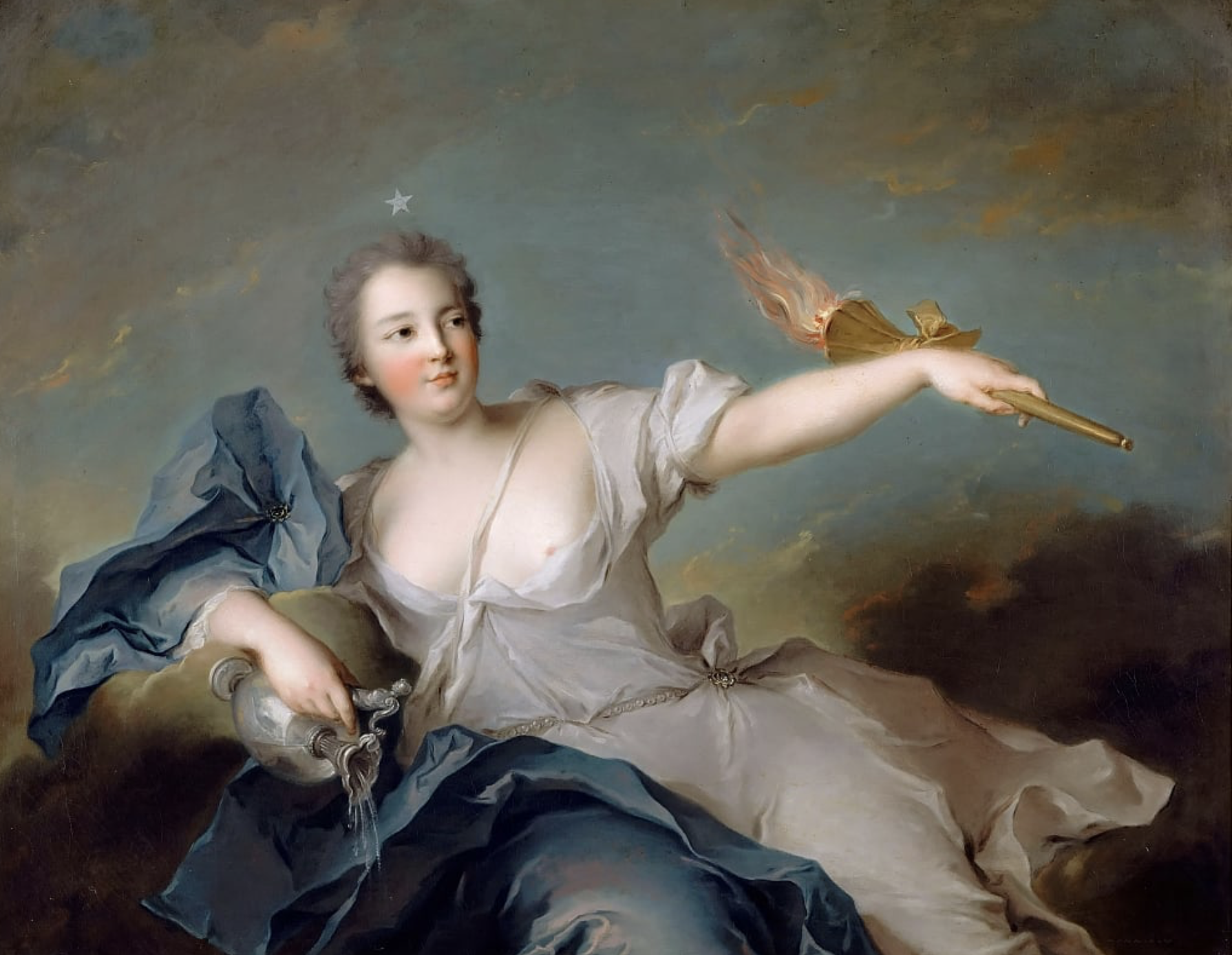
Marie Anne de Mailly by Jean-Marc Nattier
Meanwhile, back at Versailles, it was all anyone could talk about. The current headmistress, the Duchess of Chateauroux, was not too pleased to hear all the attention this new beauty was getting. Marie Anne de Mailly Nesle and her two sisters had all served as mistresses to the king between 1733 and 1744. One after another, they entertained the king's pleasures. I would have loved to be at that family Christmas. In August of 1744, Marie Anne, the last of the sisters, was with the king in Metz when he became violently ill. For days, he was bled with leeches and promised that if he survived, he would build a temple to Sainte Genevieve back in Paris, but he also sent his mistress packing and back to Versailles. He survived, and that temple would become the Pantheon in Paris, but it was his grandson, Louis XVI, who brought it to fruition. Back at Versailles and healthy again, he returned to his nightly visits to the Duchess of Chateauroux. A few months later, on December 8, 1744, she died of Peritonitis at 27 years old
The date was February 25, 1745, and the day she had trained for had arrived. The Reinette was going to Versailles. The marriage of Louis de France to the Infanta Marie Theresa of Spain was being celebrated with a masked costume ball in the Galerie des Glaces. In a nod to how they met, Jeanne was dressed as Diane the huntress. Louis XV and his men dressed as topiary yew trees; it had to be a sight to behold. The star-crossed lovers, that would be the tree and the huntress, found each other across the crowded forest, or hall of mirrors.
Three days later, on February 28, the Dauphin's marriage was celebrated again, this time in Paris at the Hotel de Ville, but it was another relationship that had everyone whispering. Louis XV put all the talk to rest when, against his advisor's judgment, he publicly announced his undying love for Jeanne.
Back at home, the husband should have known this might happen; after all, it was predestined, and she did tell him she would stay with him unless the king called. The king had a way of dealing with these things. Monsieur de l’Etiolles was given the château de Pompidour and the title of Marquis, both conveniently located in southwestern France.
The same year, on May 7th, the official separation from her husband was decreed, an act that was very difficult back then, but when the king wants it, anything can happen. The Marquise de Pompidour was now free for the king, but there was still another problem.
While the king could give away chateaux, titles, and even grand separations, being accepted at court had its own rules. In the summer of 1745, she was a regular visitor to Versailles and would then return to her nearby chateau, yet this wasn’t close enough for Louis XV.
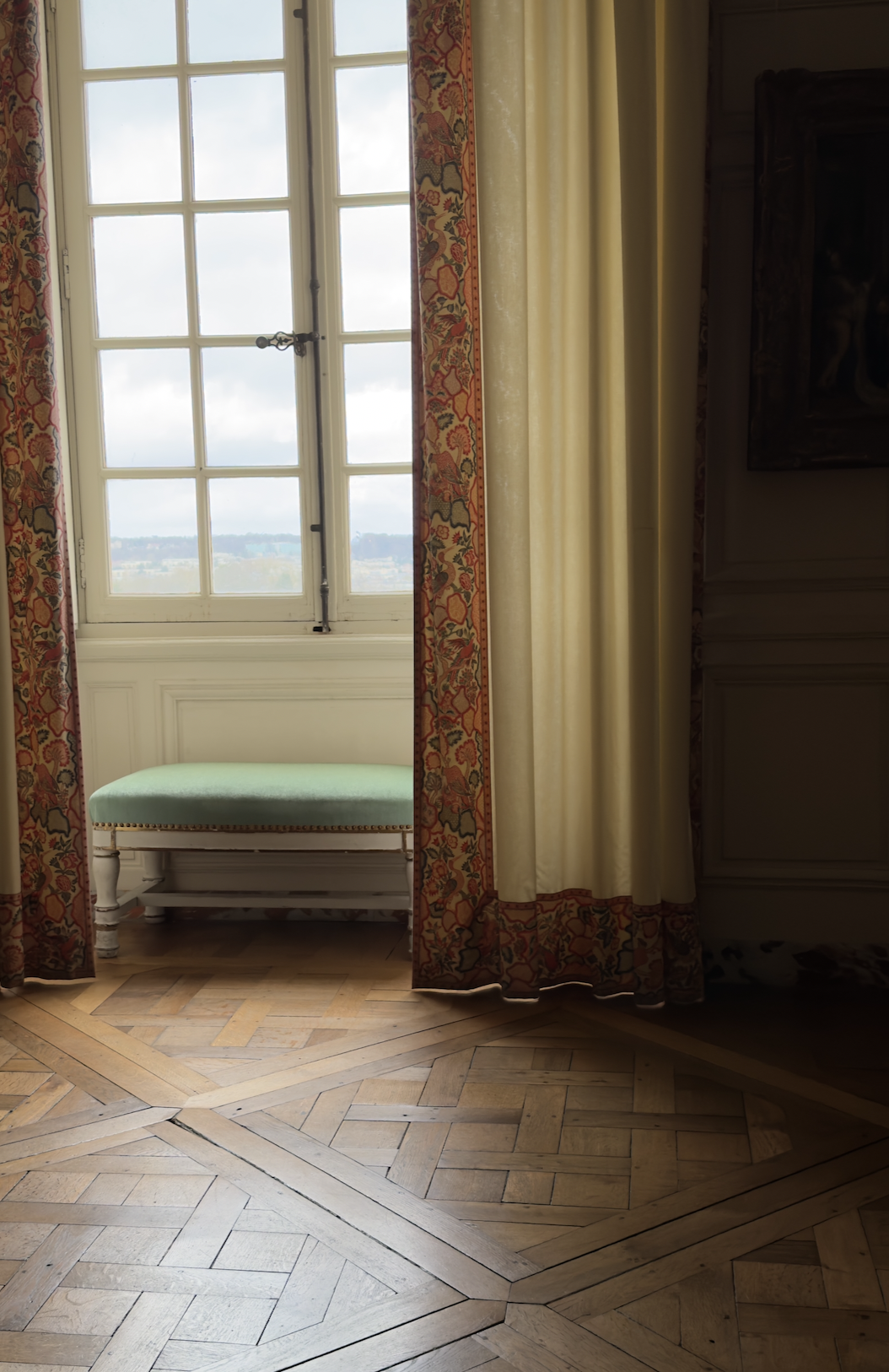
On September 10, 1745, Louis XV invited the Marquise de Pompidour to move to Versailles. Installed in the former apartment of his last mistress in the attic above his private rooms.
She still faced the problem of being presented at court, but Louis XV made a shrewd deal with Louise-Elisabeth de Bourbon-Conti, the legitimized granddaughter of Louis XIV. In return for erasing the debts of her husband, she would serve as the godmother of Pompidour and present her to the court, solidifying her place in the chateau on September 15, 1745.
I was lucky enough to see her first private apartment at Versailles last week. Normally closed to the public, they do offer special private visits from time to time, given in French. The rooms are installed over the Mercury, Apollo, and Mars rooms, as well as the private rooms of Louis XV.
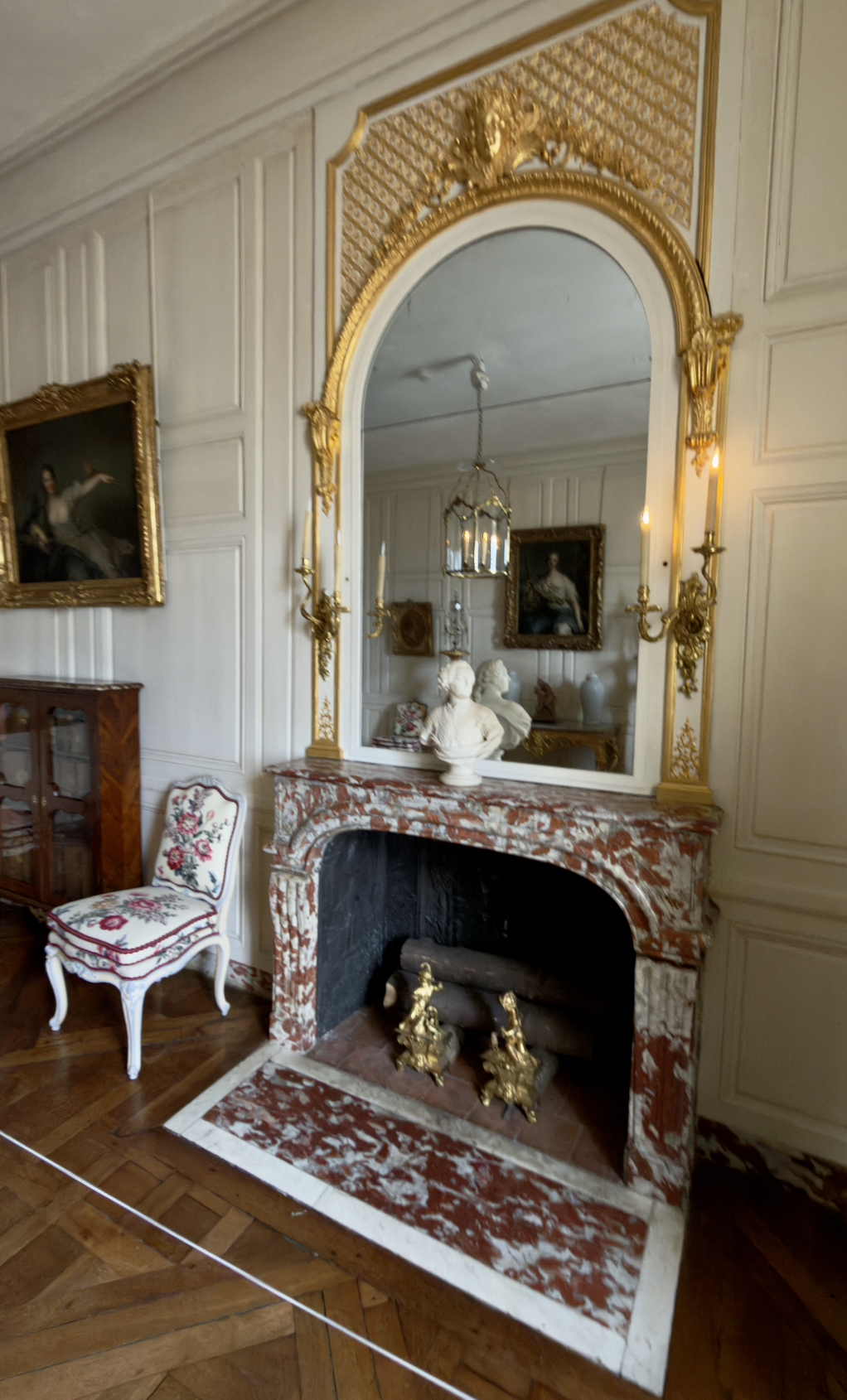
Her suite included four rooms, once accessible only by a “flying chair,” an 18th-century elevator. Sadly, the chair is gone, and little remains of what was in this room when she was alive, but the chateau has procured a few items that belonged to the Marquise and were used in her other homes. As you enter the antichamer you see straight out the window that looks over the forest of Marly and the north parterre of the garden and terrace.
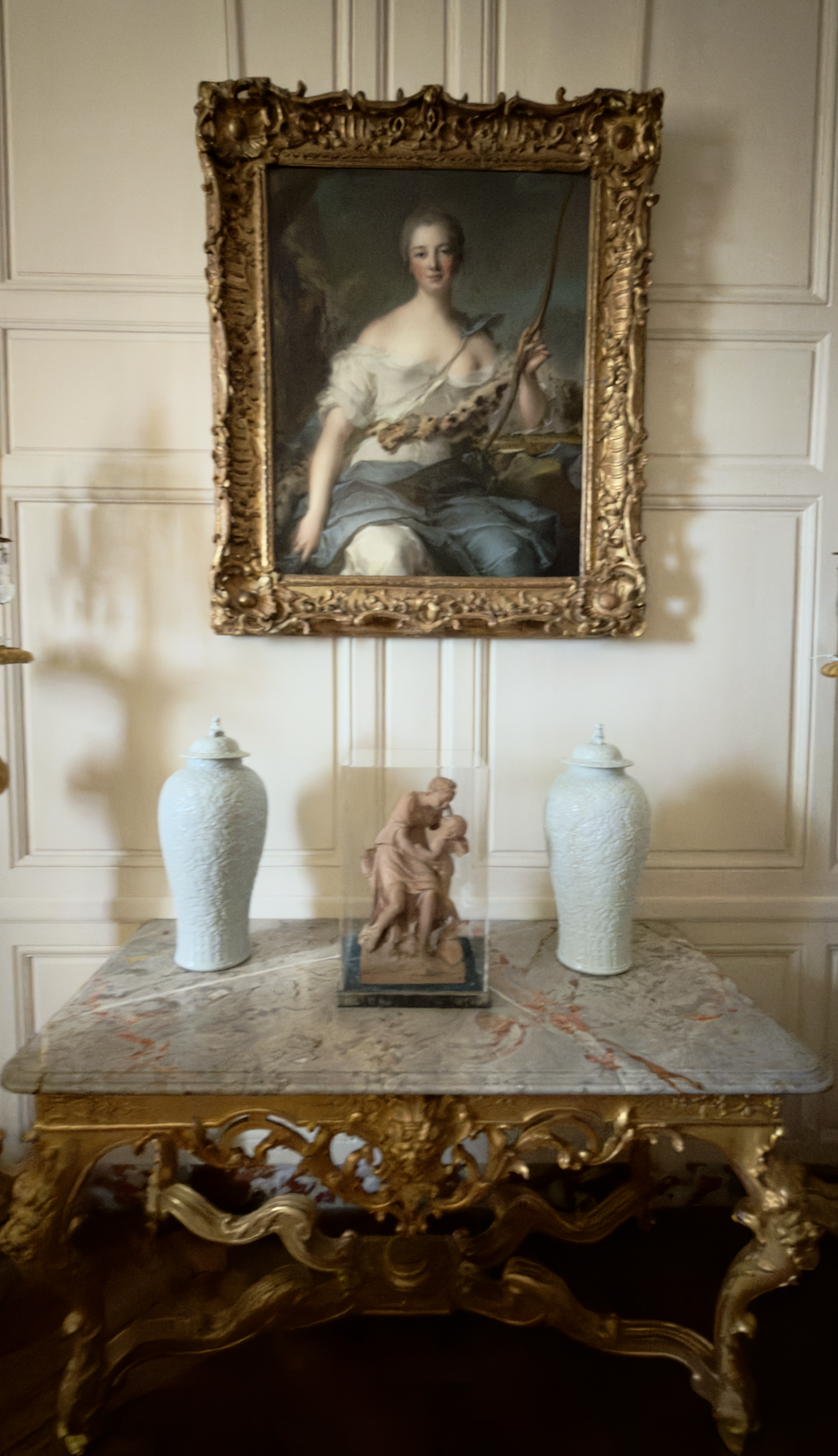
A beautiful painting of the Marquise by Jean-Marc Nattier is worth the visit alone. Painted in 1746 and commissioned by her godfather, Le Normant de Tournehem, in October 1746. She is perfectly captured by the Rococo master as Diane the Huntress, whom she dressed as for the masked ball. Holding a bow and loosely wrapped with a leopard fur, her rosy cheeks and soft face look right at you. It was her first official portrait after she arrived at court. It was later given to her brother, who kept it until his death in the Chateau de Ménars in the Loire Valley. In 2023, the Friends of Versailles purchased it at a Sotheby’s auction in London for 546,000€ and now keeps it tucked away from the crowds.
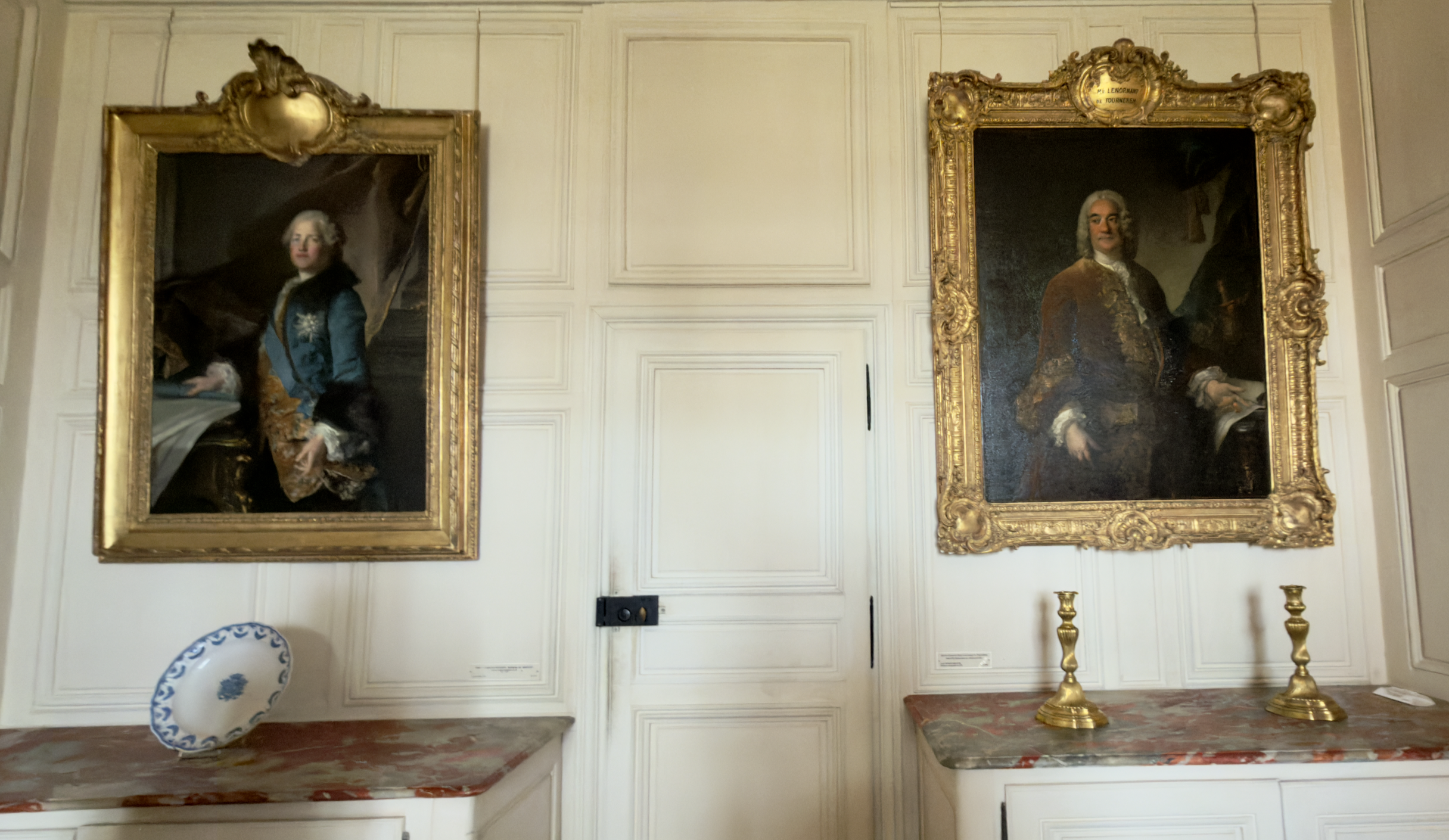
On either side of the doors are two of the important men of her life. On the right, a painting by Louis Tourqué and Charles-François Paul Le Normant de Tournehem, who, thanks to Pompadour's relationship, served as the superintendent of the king's buildings from 1746 to 1751. On the left side, also by Tourqué, Abel Francois Poisson, the Marquis of Marigny, and brother also served as superintendent following the death of Tournehem.
The attic of Versailles wasn’t a scary, dark place you find at your grandparents' house, but it was a cold one. Without any heat, the rooms were freezing, and after the first winter, the king had the rooms reconfigured. By the start of 1747, the large bedroom had been converted into a smaller sitting room. An alcove was cut into the wall for the bed, the first one in Versailles, which allowed the bed to be covered with a curtain at night and to hold in the heat.
They say that the king never saw his mistresses in his private bedroom, but he would take the flying chair to the attic to see Pompidour whenever he wished. To the left of the antechamber, the sitting room of the former bedroom is quite large. Today, it is filled with furniture and objects, many of which were once owned by the duke and duchess of Windsor, Edward VIII and Wallis Simpson. Once in their home outside of Paris, and purchased at auction all the items that date from the period in which Pompidour had lived here.
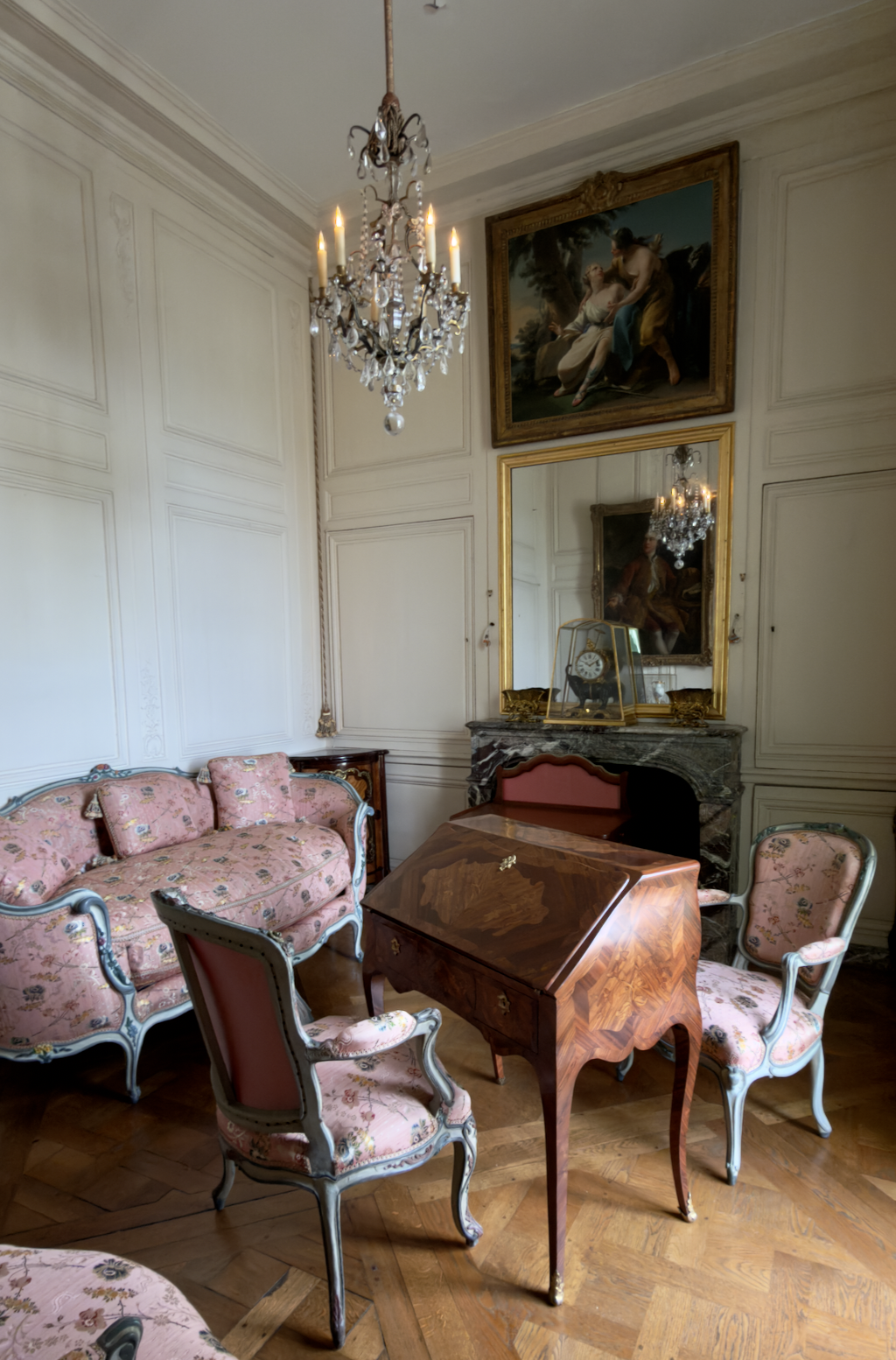
Each room is equipped with a fireplace installed when the rooms were created by Louis XIV, and in beautiful black Campan marble or red Languedoc marble.
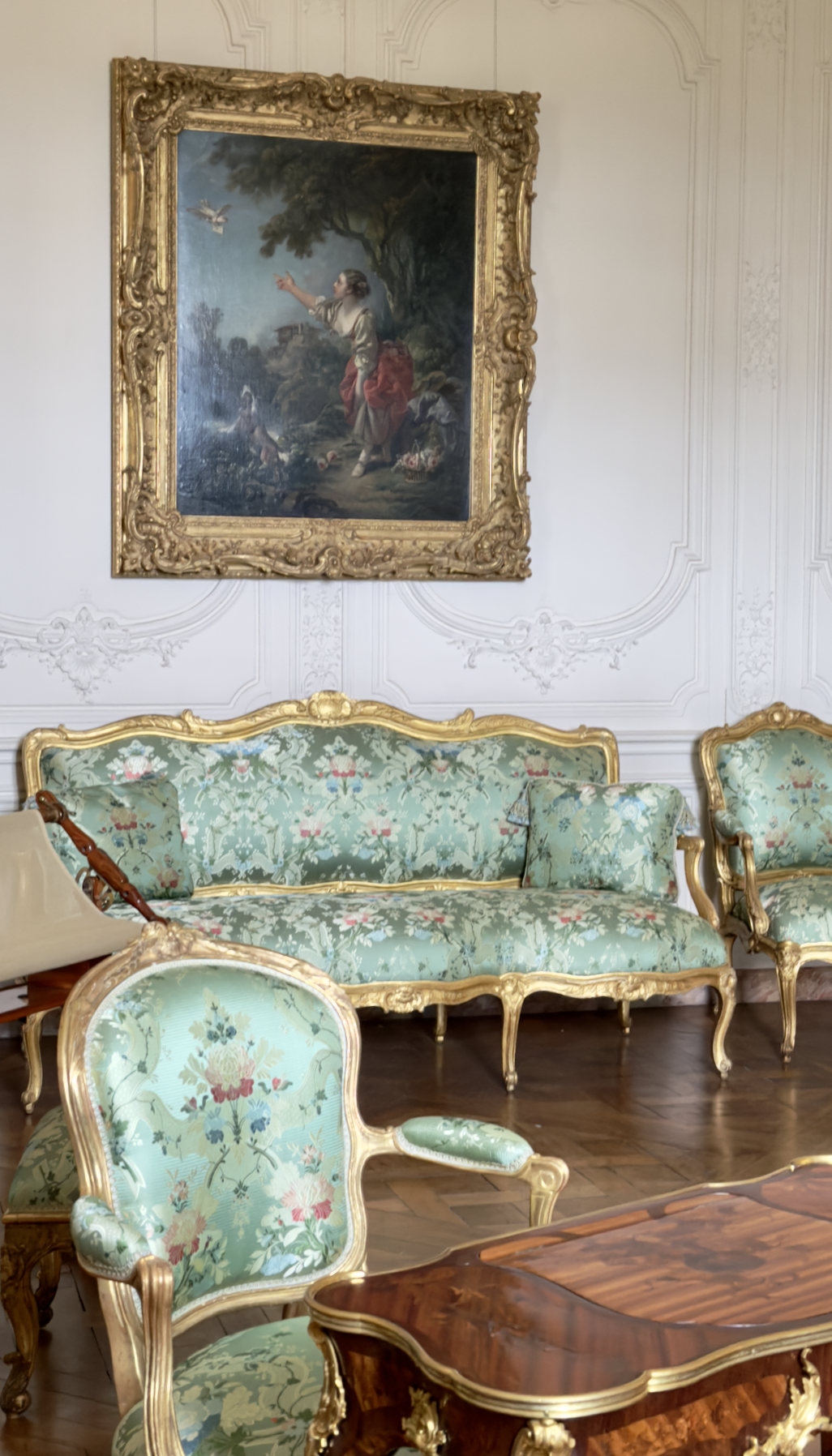
Other paintings include the Love Letter by Francois Boucher in the large sitting room and Diane et Calisto by Noel Hallé in what was originally her small dining room. A beautiful painting, also by Boucher, of Alexandrine, the Marquise's daughter, painted in 1749.
These rooms will be closed this summer for a few years to work on the chateau's heating system.
As the “favorite” of the king, the headmistress came with many advantages. The term mistress had a very different definition back then than it does today. Royal marriages were arranged for power, money, or land and never for love. Some would find love in the arraignment, but not very often. The queens had to live under constant scrutiny. Never alone and always watched, and anything they did could reflect on the king, many were also known for having a few lovers on the side.
It had to be a very strange existence, but also the only one they knew. Louis XV was under five years old when Louis XIV died. Given anything and everything that they wanted, surrounded by people whose entire lives were at the whim of the king. The most coveted job at Versailles was the man who sat with the king in the bathroom, a privilege they paid for, which always resulted in gifts of land, palaces, and titles.
Simply watch shows like Versailles or Sofia Copala’s Marie Antoinette to get an idea of court life. While both took liberties with some of the history, the idea of life at that time can be imagined.
Most of the Kings had many ladies for their choosing. Often putting them into the roles closest to the queen, so he can keep them within arm's reach. However, there was always one that was at the top of the mistresses' pyramid, la maîtresse en titre. This coveted position sat below the queen and her top lady-in-waiting in the palace hierarchy. A few, over time, used this to their advantage more than others. We will talk about Madame du Barry next week.
Pompidour was unlike any other mistress. Between her education of all the finer things in life and her many hours spent at the Salons of Paris, she learned the art of conversation. It also helped that she was well-versed in many subjects, including art, literature, and nature. While the king adored her, his daughters and many others did not.
There was a way things should be done at court. Mistresses should have royal blood, and Pompidour did not. He really shook things up with the next one, but that's a story for next week.
Her increasing sway she had over the king didn’t help either. Multiple miscarriages took their toll on her health, and five years after entering as the headmistress, she was gradually moved aside into what would be an even more important role. Louis XV confided in and talked to her about everything. Those closest to him in his government were increasingly worried.
In 1750, she was moved from her attic rooms to the ground floor of the original building. The apartments are usually reserved for the king's family. The large rooms had nine windows overlooking the northern terrace and gardens, and two floors below her old apartment. Here she would invite dignitaries and ministers of the king, who learned that the fastest way to the king and to get what they wanted was through her door.
After her sexual life with the king ended, she had to figure out a way to remain close and not be shoved out by the next headmistress. To keep the king satisfied, she, with the help of Charles Jacque Colin, set up a private brothel, just for the king, in the nearby Parc-aux-Cerfs. Ladies were chosen for the king and changed out every few weeks to keep his interest. Once they were sent away, they were given vast sums of money and sometimes even small properties.
On October 12th, 1752, she was given the title of Duchess, and on February 7, 1756, she was appointed lady of the Queen’s palace, the highest honor after the queen.
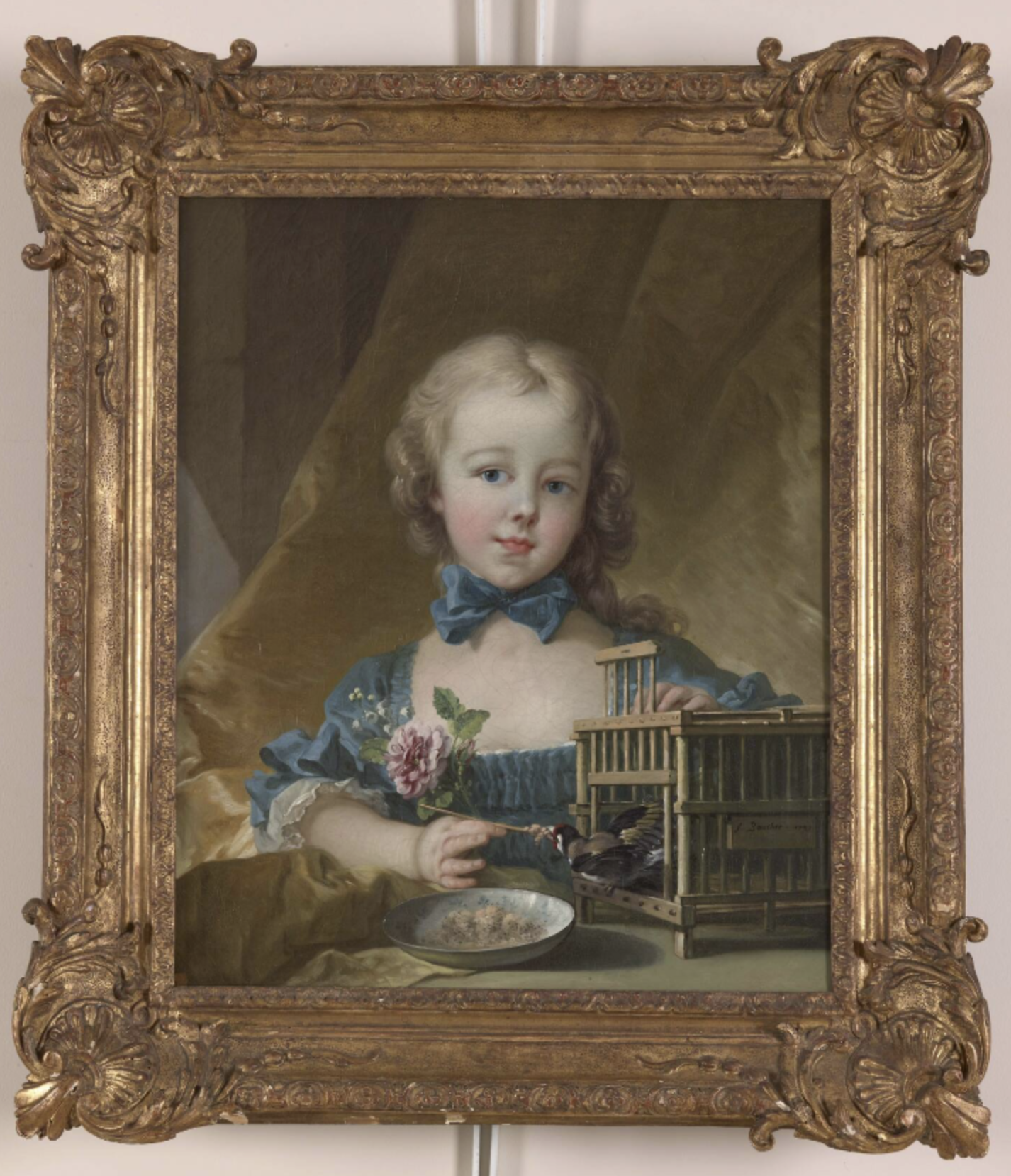
Jeanne’s daughter died on June 24, 1754, at just 9 years old. She had been raised at Versailles among other royal children and was set to marry the son of Michel Ferdinand d'Albert d'Ailly I E when she turned 13. A loss she never really recovered from.
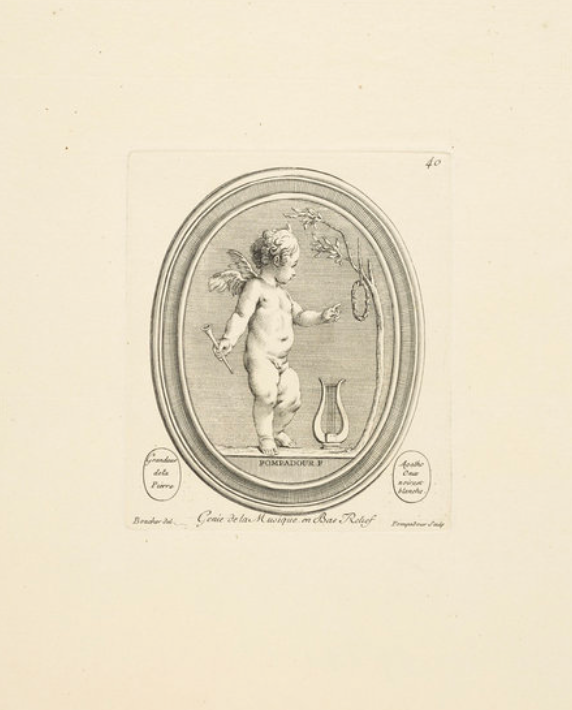
Her final years at court were spent surrounded by her books and art, but she kept herself very busy, thanks to Jacques Guay, the official engraver to the king. Guay had spent many years in the atelier of Francois Boucher as a lithographic engraver. One day, he met Joseph-Antoine Crozat and saw his massive collection of engraved stones, and fell in love. Taking on the role of the engraver to King Louis XV, who asked him to create a collection of stones engraved with major moments of his reign. While spending time at court, he met Pompidour and took her on as a student. An entire engraving press was moved into her apartment, and every tool imaginable was used to etch her own stones. Five of these remain, and I saw two of them in 2023 at a special exhibit at Versailles dedicated to Louis XV. Needless to say, I almost died.
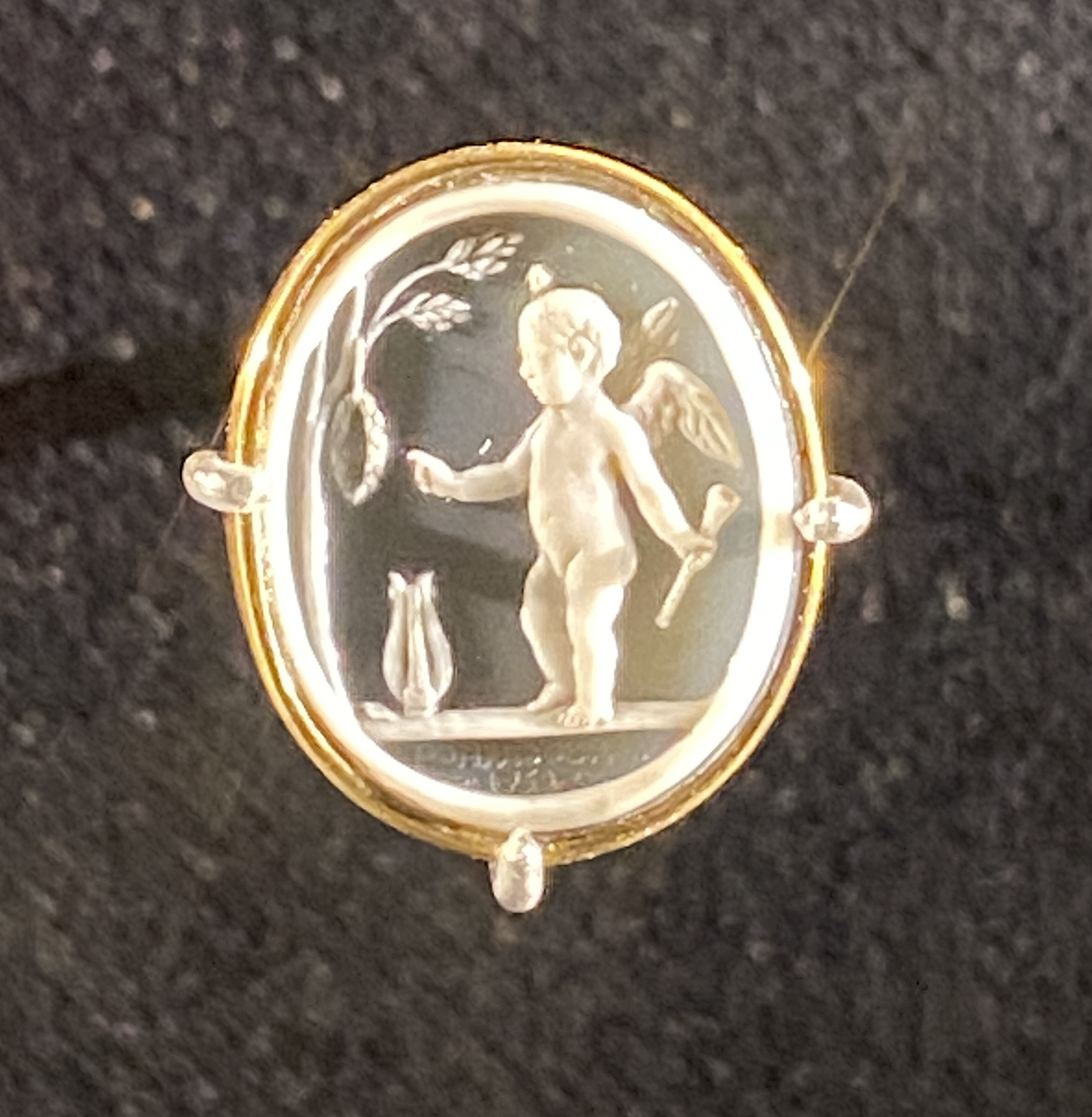
Along with stones, she also engraved and printed entire books. She worked with Denis Diderot and Jean le Rond d’Alembert to print the first edition of the Encyclopedia, which also outraged the government and led to a halt in production after the first two volumes.
The Louvre holds many of her lithographs based on Boucher and Guay's drawings of Pompadour, which were also used to etch stones. They aren’t on display to the public, but can be seen in the Louvre database here
Pompadour also took great interest in the porcelain factory at the Château de Vincennes. Bringing many pieces to Versailles and drawing the attention of the king, who in 1753 purchased large sets for his many palaces. In 1756, Pompidour had them move to Sèvres, where the factory and its workers had more space and would become one of the world's greatest porcelain companies.
She also liked to put on her own plays to entertain the king and court. In the play Pomone and Vertumne, based on Ovid’s Metamorphoses, Pomone was a beautiful garden nymph who wanted to spend all her time with her flowers. Vertumne, the god of the garden, fell in love with her, but she refused him over and over. Vertumne takes on many disguises and is still refused until one day he dresses as an old woman and reveals himself to her, finally winning her over. Maybe he should have just dressed as a tree. The Louvre holds a stunning sculpture in the Cour Puget by Jean-Baptiste Lemoyne, created in 1760. It was never part of the King's or Pompidou's collection, but it is strategically located within the Louvre.
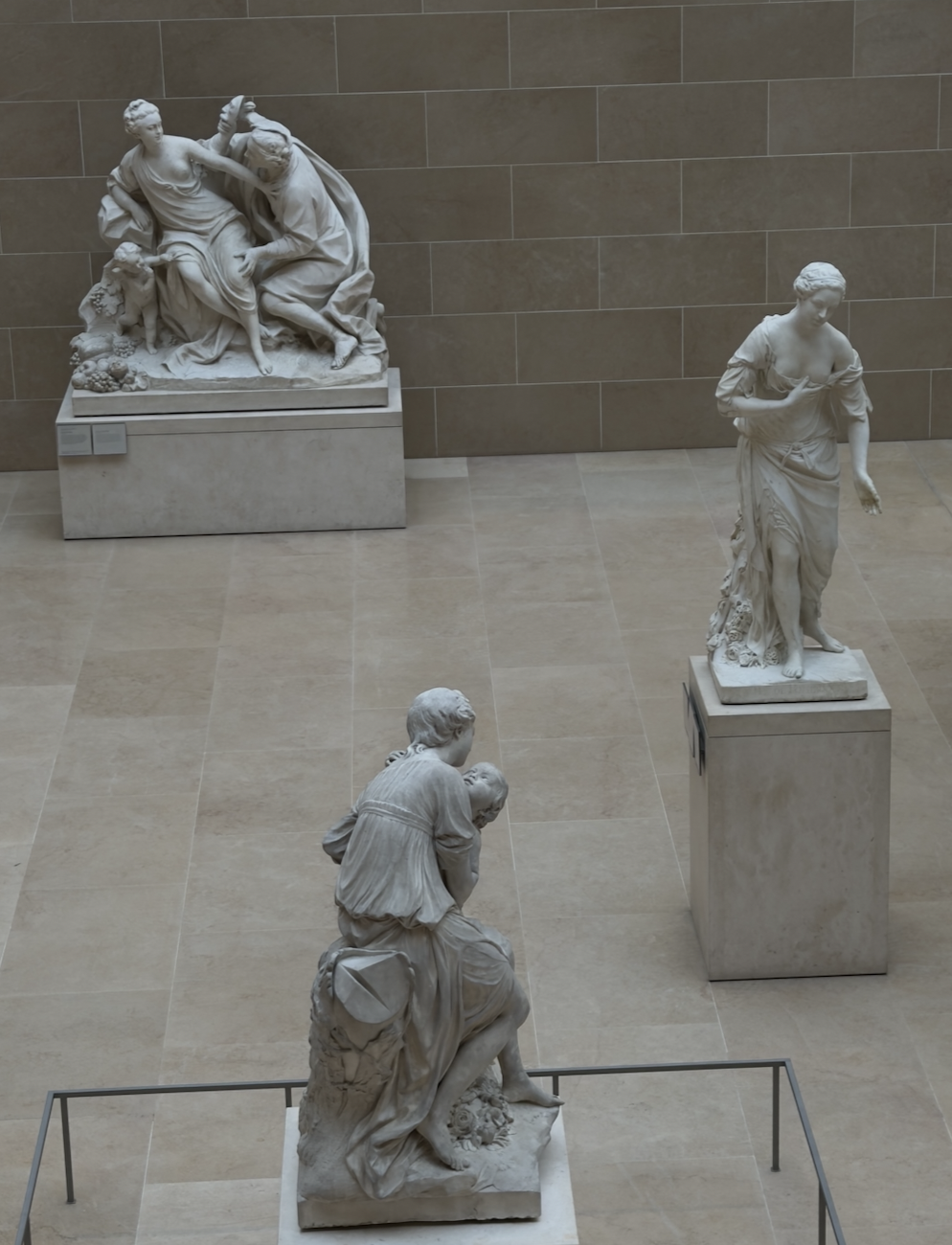
On the right is a statue of Louis XV as Jupiter by Nicolas Coustou, and on his left, the Queen Marie as Juno by Guillaume Coustou. Just in front of Pomone and Vertumne is a statue of Amite, Friendship by Jean Baptiste Pigalle. Created in 1750 and commissioned by the Marquise de Pompidour herself for the Château de Bellvue. What is remarkable about this one is that it is Pompidour herself's face. She leans forward with one hand towards her chest, and once stood next to a statue of Louis XV.
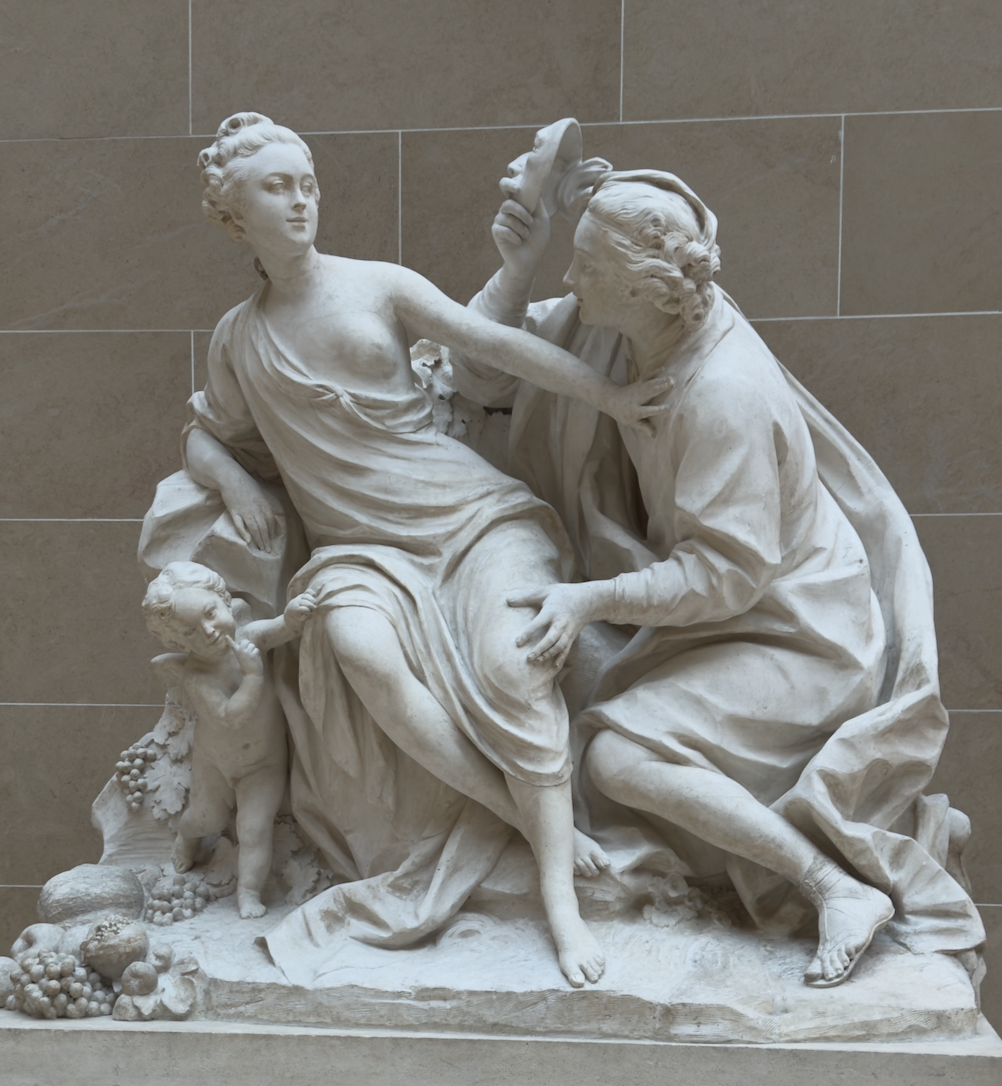
Pigalle created a second group of Love Embracing Friendship in 1758. Also commissioned by the marquise for the park of Bellvue, a small terracotta version can also be found in the antechamber of her first apartment.
In the nineteen years of the relationship between Louis XV and Pompadour, he bestowed many palaces and chateaux on her. The Chateau de Crecy near Dreux in 1746, followed by the Chateau de la Celle - Saint Cloud and Château de Bellevue in 1748. After the intimate relationship ended, he purchased the Hotel de Réservoirs, steps away from the chateau in Versailles, complete with an underground tunnel leading to the palace. However, the most important might have been the Hotel d’Evreux, you know it as the Elysees Palace and home to the President of France.
The Petit Trianon at the lower edge of the property, and often associated with Marie Antoinette, was in fact built for the Marquise. Sadly, she never saw it completed.
She also owned a small hermitage within the Châteaux of Fontainebleau, Compiegne, and Choisy, and her last purchase was the Château de Ménars in the Loire Valley.
In 1763, her health began to fail. The cold and drafty rooms of Versailles took their toll. Throughout the winter and spring of 1764, the king moved her doctor, François Quesnay, to Versailles and next to her room.
On the morning of April 15, 1764, Palm Sunday, Louis XV visited his great love one last time and bestowed one of the greatest honors on her. Letting her take her last breath there at Versailles, an honor normally reserved for the king alone. She died that morning of pulmonary congestion at just 42 years old while the king held her hand.
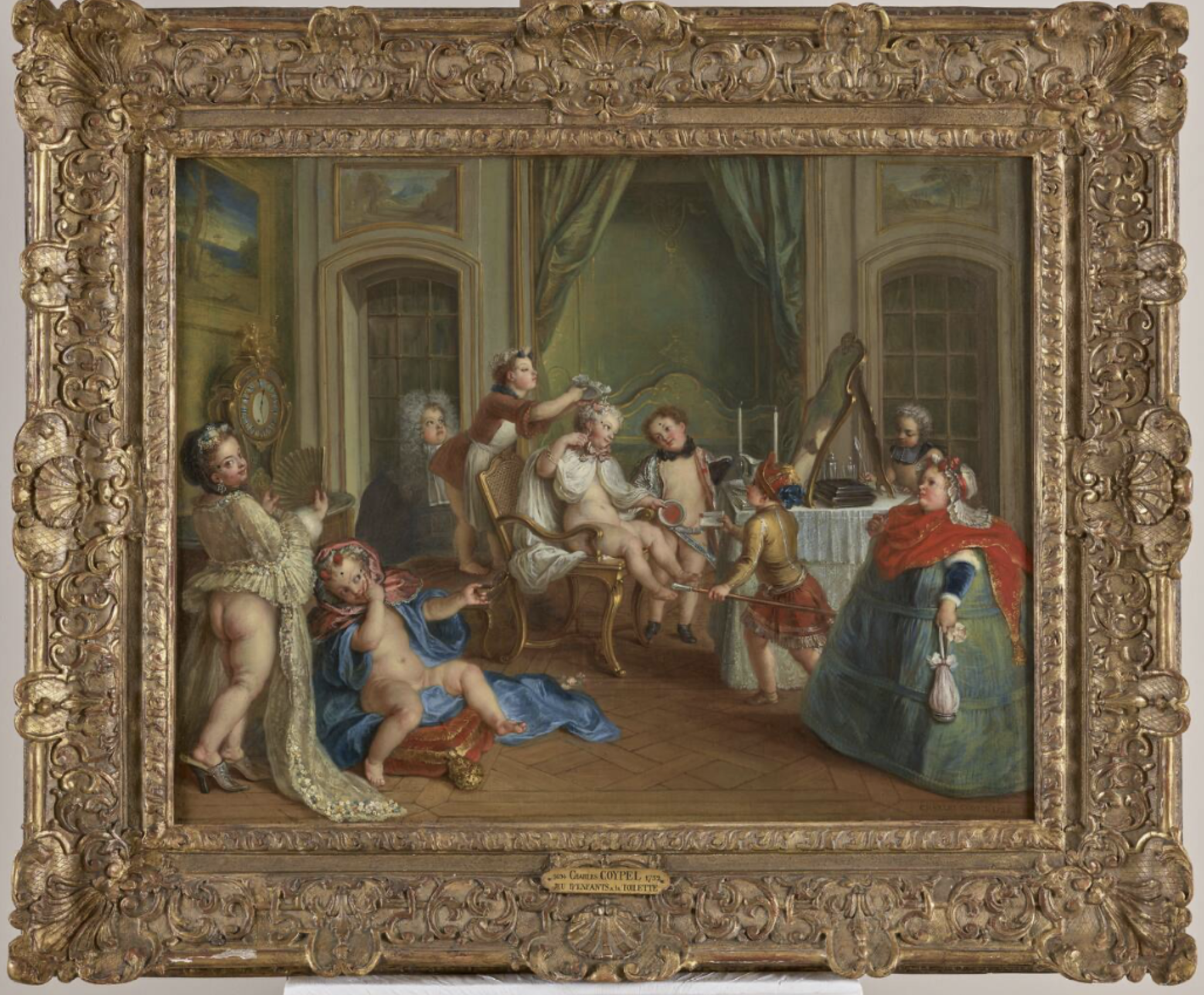
Just after her death, she was taken to her nearby Hotel de Résevoirs, where she was displayed for two days before her funeral at the Eglise Notre Dame de Versailles on April 17. The king was visibly distraught and inconsolable with the loss of his great love and friend. Following the funeral mass, he traveled to Paris with her one last time.
She was buried next to her mom and her daughter at the Capucine Convent. Today, the convent is gone, but it’s believed that she is still buried in the same spot. Although that spot is now 3 rue de la Paix and the IWC Schaffhausen watch store. Rather fitting to be that close to Place Vendome and the great jewelry houses of Paris.
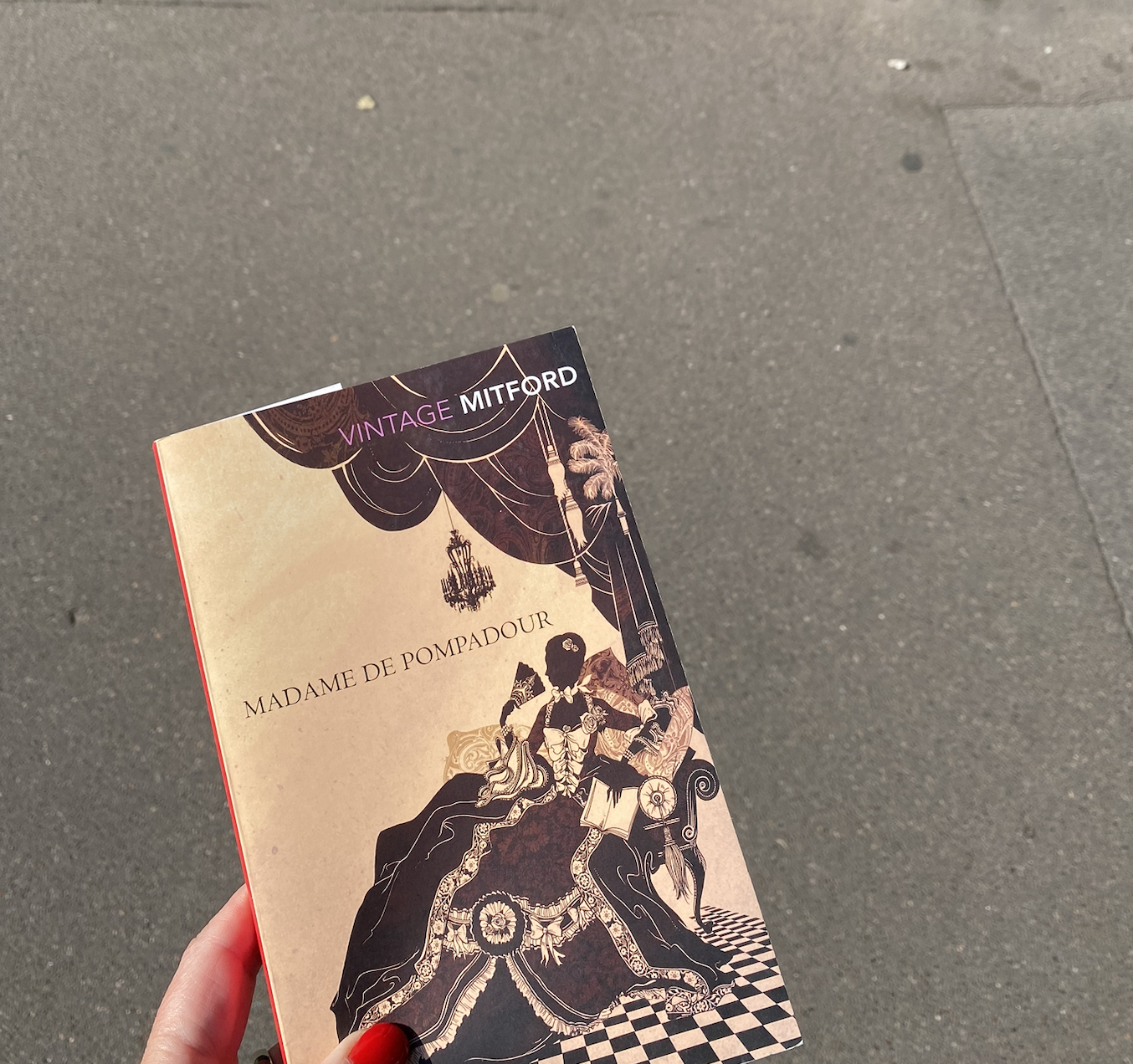
At 3 Rue de la Paix
When it comes to diamonds and jewelery there are two that can be applied to the beautiful Pompadour. The Marquise diamond shape was created for Louis XV, who wished for a diamond in the shape of her lips. The elongated oval cut has come and gone in and out of favor over the years, but given its history, it should be renewed immediately.

Less well known by name, the Pompadour ring, sometimes called a daisy, features a central colored stone surrounded by smaller diamonds. The sapphire and diamond engagement ring worn by Princess Diana, then the current Princess of Wales, is a perfect example of the Pompadour ring. The first was created for the Marquise de Pompadour by Louis XV. Since she wasn’t an official member of the Crown, we don’t know much about these jewels even to this day.
She should be remembered as a huge promoter of the arts in all forms. Welcoming many of the great Rococo artists of her time to Versailles and to the attention of the king. You can still find many of the paintings of Boucher in the bedroom of Queen Marie Antoinette and in the Salle Pompadour at Elysees palace.
The creation of the Place Louis XV, which became the Place de la Revolution, which turned into Place de la Concorde, was all the urging of his great love.
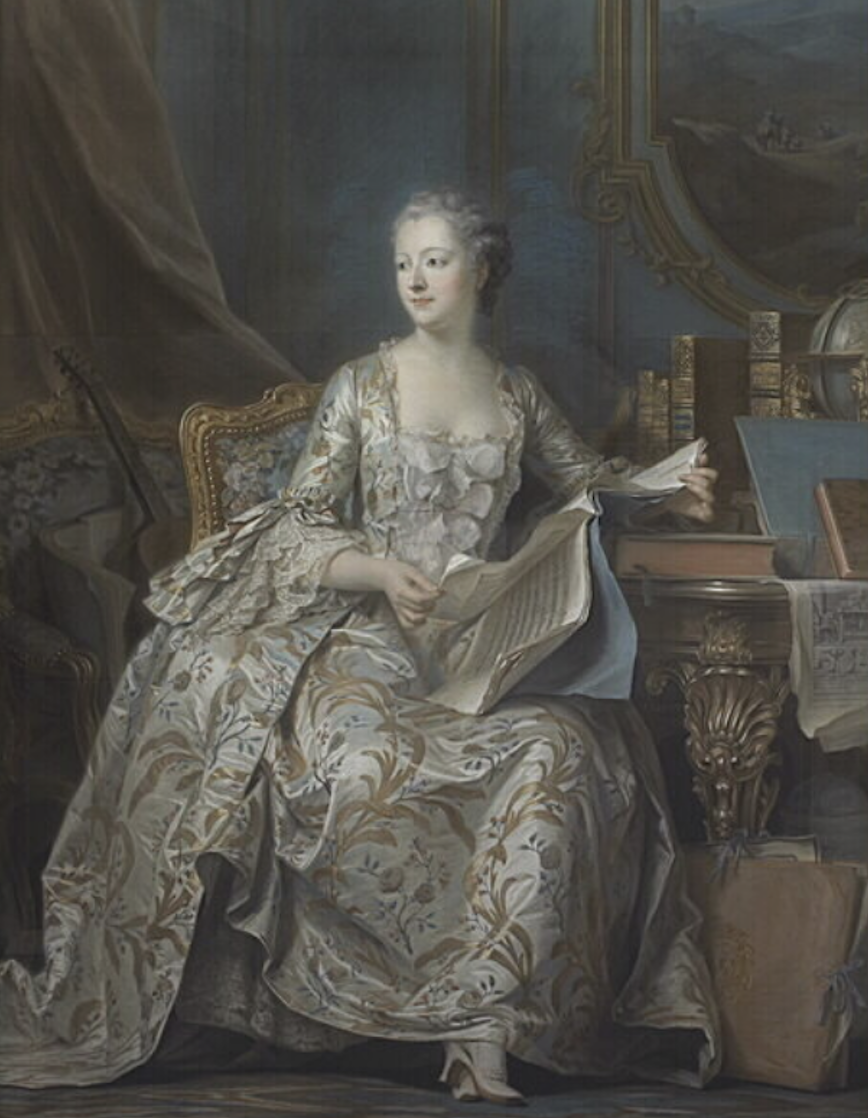
Whenever she posed for a painting, she asked that many of the things she loved surround her. The best example is the pastel by Maurice Quentin de La Tour, created in 1748. Owned by the Louvre but rarely displayed due to its fragility, the Marquis sits in her chair in a beautiful silver-gray dress. On the desk where she rests her arm are books she printed, including the Encyclopedia and even a drawing of her working on a lithograph plate.
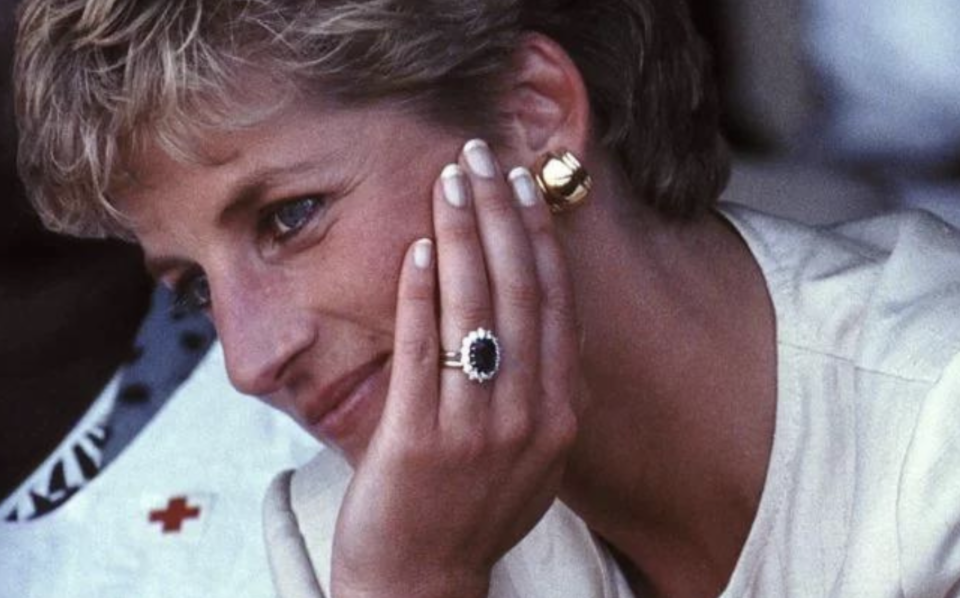
Today, her name is remembered alongside Marie Antoinette as one of the two most famous women in the history of the French monarchy. And both have even been wrongly attached to the old champagne coupe story, due to the shape of their breasts.