
On May 5, 1821, 205 years ago, at 5:49 pm on the remote island of Saint Helene, Napoleon Bonaparte took his last breath at the young age of 51.
Napoleon’s grand return to power in 1815 didn’t turn out as he had hoped. On June 18 at Waterloo in Belgium, the once great general was defeated, crushing all of his dreams. He thought he could hand over his title to his four-year-old son, the King of Rome, but that was quickly denied as he had fled France with his mother, Marie-Louise, in 1814. Although France was also finished with the Bonapartes, at least for a few years.
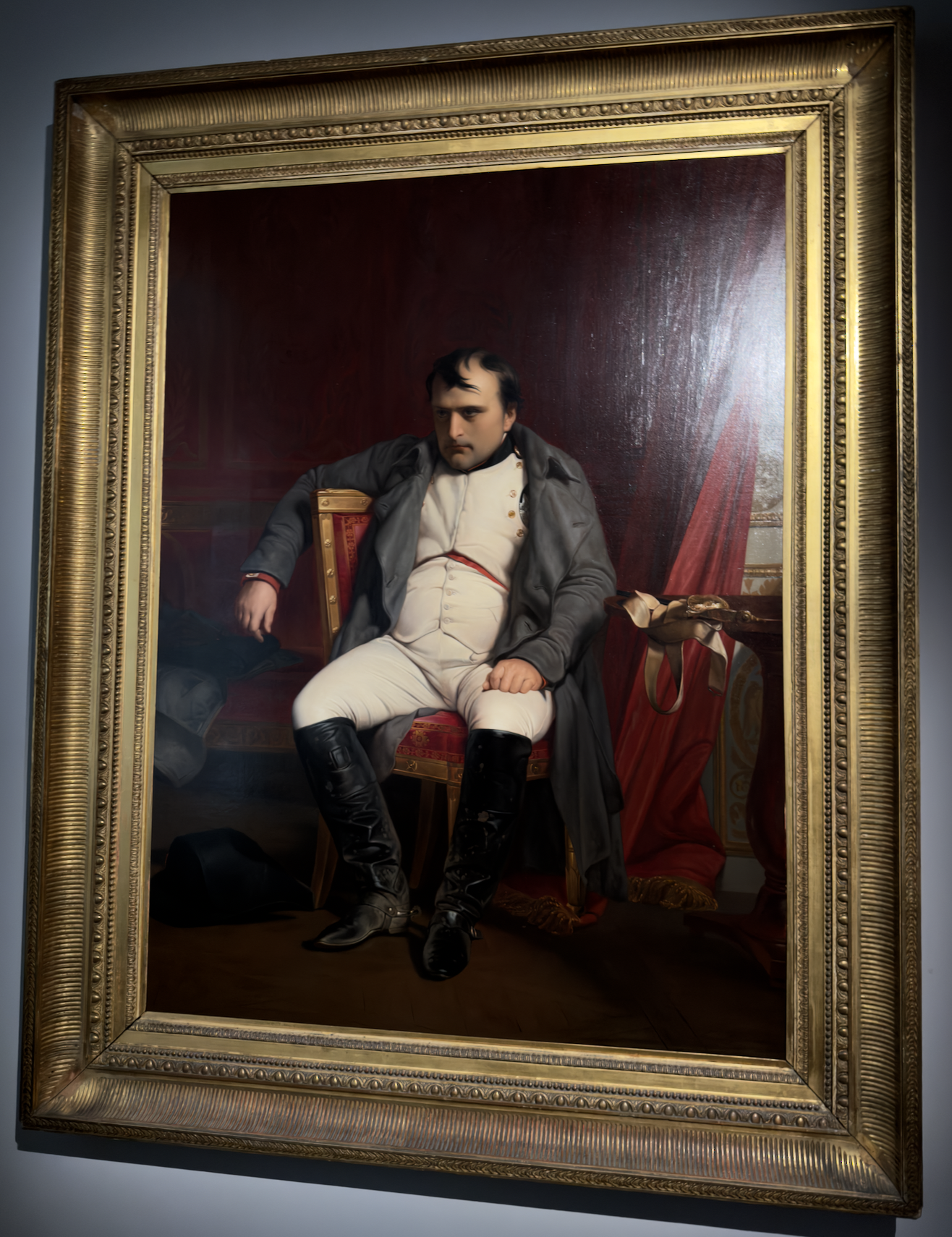
Napoleon’s first exile resulted from the Treaty of Fontainebleau on April 11, 1814. The next day, his wife, Marie-Louise, and his son left his side. Napoleon hoped they would later be reunited, but Marie-Louise headed straight home to Austria and didn’t look back. Overnight in his bedroom, the fallen emperor tried to kill himself by drinking a mixture of opium and water, but was found the next morning alive after vomiting all night.
At noon on the 20th, after a heartfelt speech on the horseshoe steps of Fontainbleau to his guard, he said goodbye and thanked them for their never-ending support. On May 4, 1814, Napoleon arrived on the small island of Elba, just 10 km off the coast of Italy and 50 km from his Corsican birthplace. Madame Mère and his sister, Pauline, stayed with him on the small island he ruled like a king. Still in tune with many of his loyal soldiers, he heard rumblings that the people were unhappy with Louis XVIII, and his time was ripe for a return.
On February 26, 1815, the French Inconstant ship picked him up in the dark of night and headed to France. Arriving on March 1 in the Côte d’Azur town of Golfe-Juan, he and his men headed to Grenoble, arriving March 7. In Paris on March 20, he garnered enough troops to travel to Belgium and take on the British, Dutch, and German troops at Waterloo.
On June 18 at 9:15 pm, Napoleon was defeated and rode back to Paris to find everyone had turned on him. His great love, Josephine, had died on May 29, 1814, while he was on Elba, and the news left him devastated. On June 2,5 he visited the place she loved most, the Chateau Malmaison, one last time and stayed for a few days until he heard the Prussians had an order to find him, dead or alive. Fleeing to Rochefort, Napoleon thought he would flee to America, but the British had blocked the port. There was nowhere to go. The man who once had the dream to conquer Europe was now surrendering to the British Rear Admiral Frederick Maitland.
For his next exile, this time by the British, they weren’t messing around; they found one of the most remote locations in the world, and he wasn’t going to escape under their watch. The island of Saint Helena sits in the middle of the Atlantic, over one thousand miles off the coast of Angola and three times as far as Buenos Aires. The journey took nine weeks and arrived on October 15, 1815.
Upon arrival, he moved into a small building of the Briars estate owned by William Balcombe, where he would stay for seven weeks. On December 10, the much larger Longwood house was ready, or at least somewhat. Complete with forty rooms but in a state of decline, with drafty rooms, damp, and infested with all kinds of island critters. All that would have adverse effects on the emperor, but maybe that was the plan?
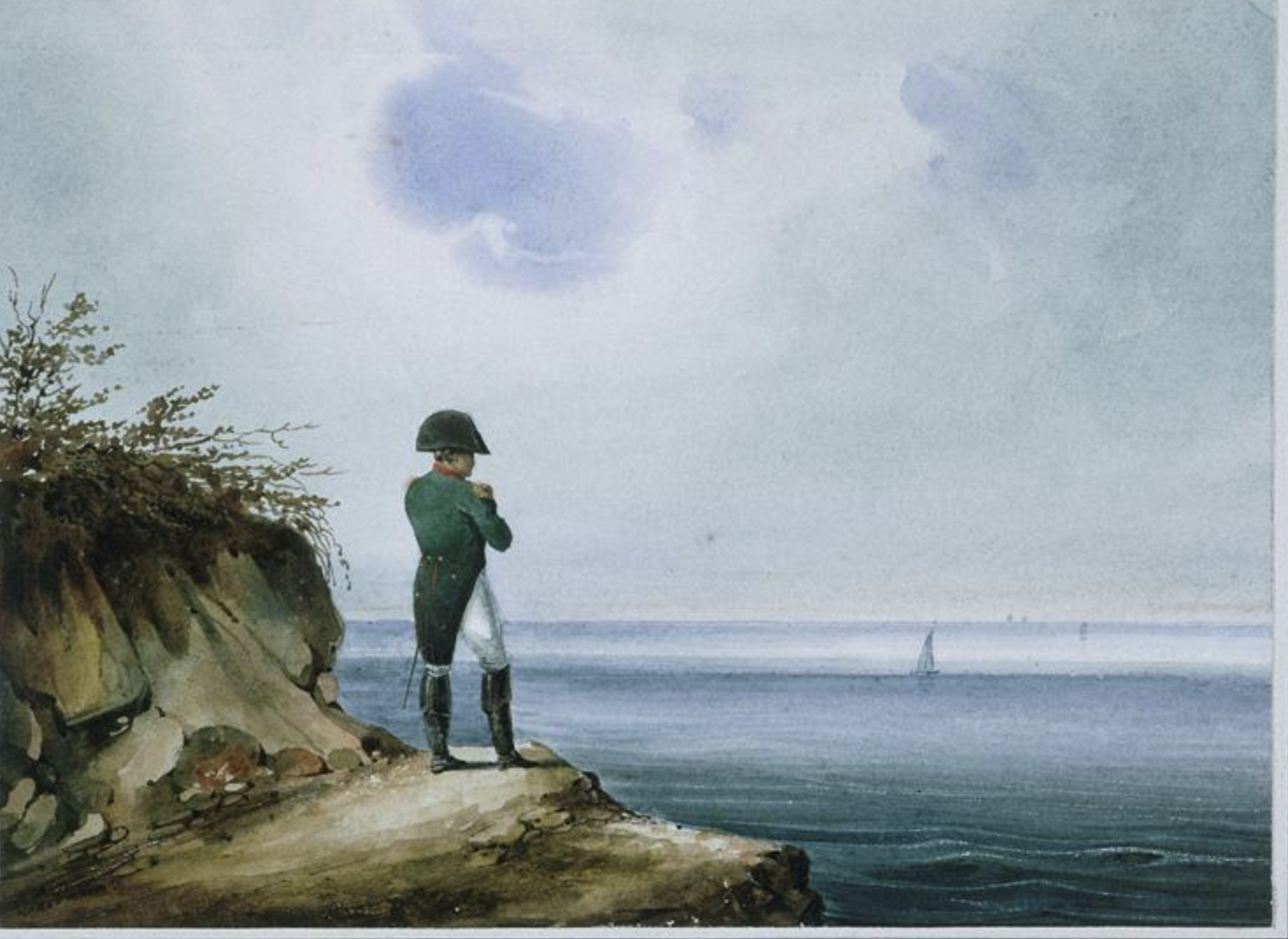
Napoleon's Exile on Saint Helena by Franz Josef Sandman
On the island, Napoleon wanted to still carry out his day-to-day life as he did at Fontainebleau or even on Elba, but British Governor Lowe was not going to play along. Napoleon became depressed and despondent, spending most of his time indoors, only leaving for walks to the valley of geraniums.
Napoleon's health began to fail in the summer of 1817, and it was diagnosed that he suffered from chronic hepatitis. Refusing to see the British-appointed doctor, he stayed in his room away from anyone but a trusted few.
On March 18, 1818, Napoleon wrote to his uncle, Cardinal Fesch, and his mother, hoping they could send him a chaplain and a doctor to the island. It would take a year and a half, but on September 21, 1819, the Abbé Antonio Buonavita and Angelo Vignali arrived. Just days before on September 18 Dr Francesco Antommarchi arrived and would be with Napoleon until the end. Napoleon’s health and mood slightly improved, but the decline and end of his life were coming.
Spending more time in his room reading each day, when walking became more difficult. Watching everywhere he went, even for a short walk to the edge of the yard, annoyed him, and he preferred to stay inside with his books.
Over his five years in captivity, Napoleon’s movements and days were documented by many of the men on the island who had access to him. One of his most loyal friends, Grand Marshal Henri-Gabien Bertrand, and his wife Elisabeth and their children were close with the emperor, and the children would spend time reading with him every day.
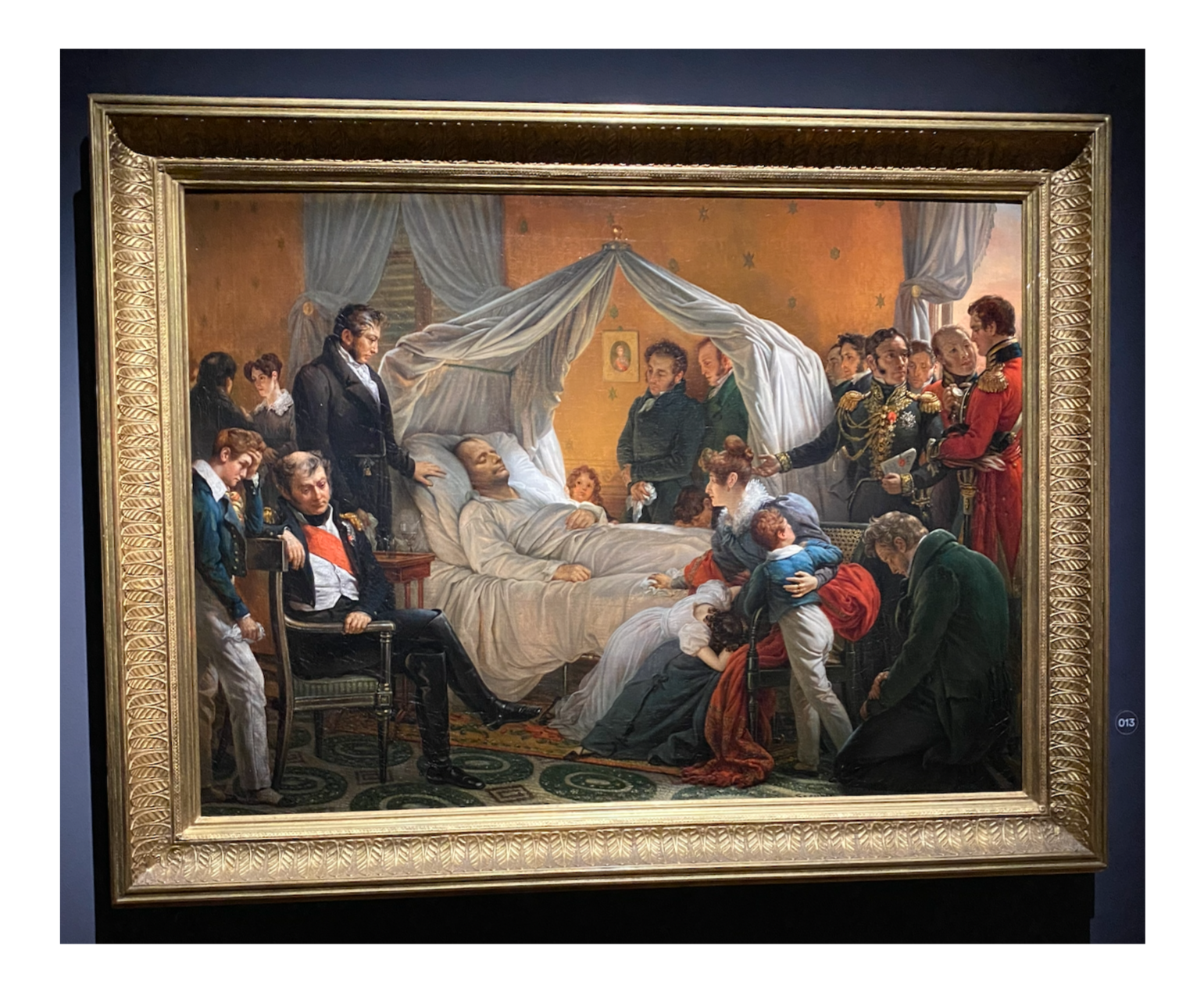
Napoleon Sur Son Lit de Mort, Carl von Steuben 1828
Napoleon was not an ideal patient. He refused to take medication or follow the doctor's pleas to exercise or get fresh air. On April 4, 1821, suffering a high fever, he finally agreed to take pills and a chaser of quinine. Weeks would go by with the same concoction, as well as quite a few enemas. When up to it he dictated his will and his last words in between lashing out at the Bertrands and anyone else near him.
On April 17, Napoleon asked doctor Archibald Arnott to give him stronger medication, which was refused as his health wouldn’t be able to handle it. Napoleon said, “I am so weak that it’s not a cannonball that would be needed to kill me; just a single grain of sand would be enough.” Napoleon’s greatest fear is that he would die of the same thing that took his father in 1785 at just 38 years old, stomach cancer.
On April 22, the last Easter of the Emperor, he dictated his wishes on where he would be buried on the island, although he wished to return to France. "Have me buried in the shade of the willows where I used to rest on the way to see you at Hutt’s Gate, near the fountain where they go to fetch my water every day".
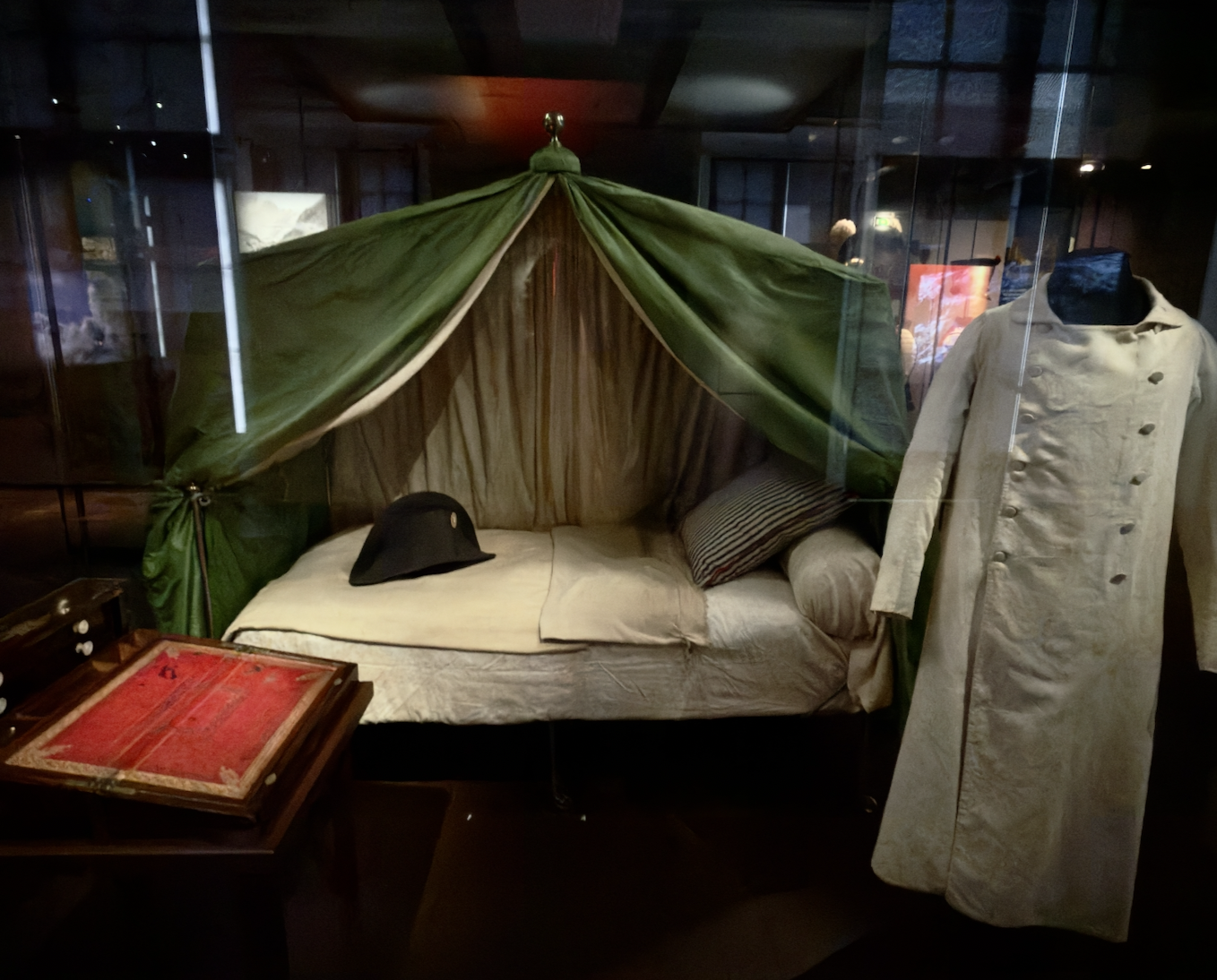
The same bed Napoleon took his last breath on, in the Musée de l’Armée
By the end of April, he could no longer hold down food, his memory suffered, and his dreams, the few times he slept, were filled with visions of his former marshals and Josephine. On May 3, his breath became shallow, and a round-the-clock vigil began with Abbé Vignali, Marshall Charles Tristan de Montholon, Bertrand, and valet Louis Marchand at his side. Abbé Vignali gave him the last rites, but he wasn’t strong enough to take communion.
On May 5 at 6 am, they knew the end was near. Becoming more still, Napoleon sighed and groaned and closed his eyes. Sixteen people surrounded him in the last hours of his life, just before 5:30 pm, he spoke his last words, “France, l’Armée, tete d’Armée, and lastly, Josephine. At 5:49 p.m., Napoleon was gone.
On May 6, Dr. Francesco Antommarchi performed the autopsy at 2 pm in the Billiards room of the Longwood house. The room was filled with British and French doctors and witnesses, many of whom later wrote down their observations. The cause of death was, in fact, stomach cancer, just like his father. Years later, any surviving accounts and autopsy records were examined by a team of doctors, who found that he died of an advanced stage of sporadic gastric carcinoma. With a large tumor that had essentially destroyed his stomach but had not spread throughout his body, it was likely caused by an infection, gallstones, and ulcers, and not from genetics.
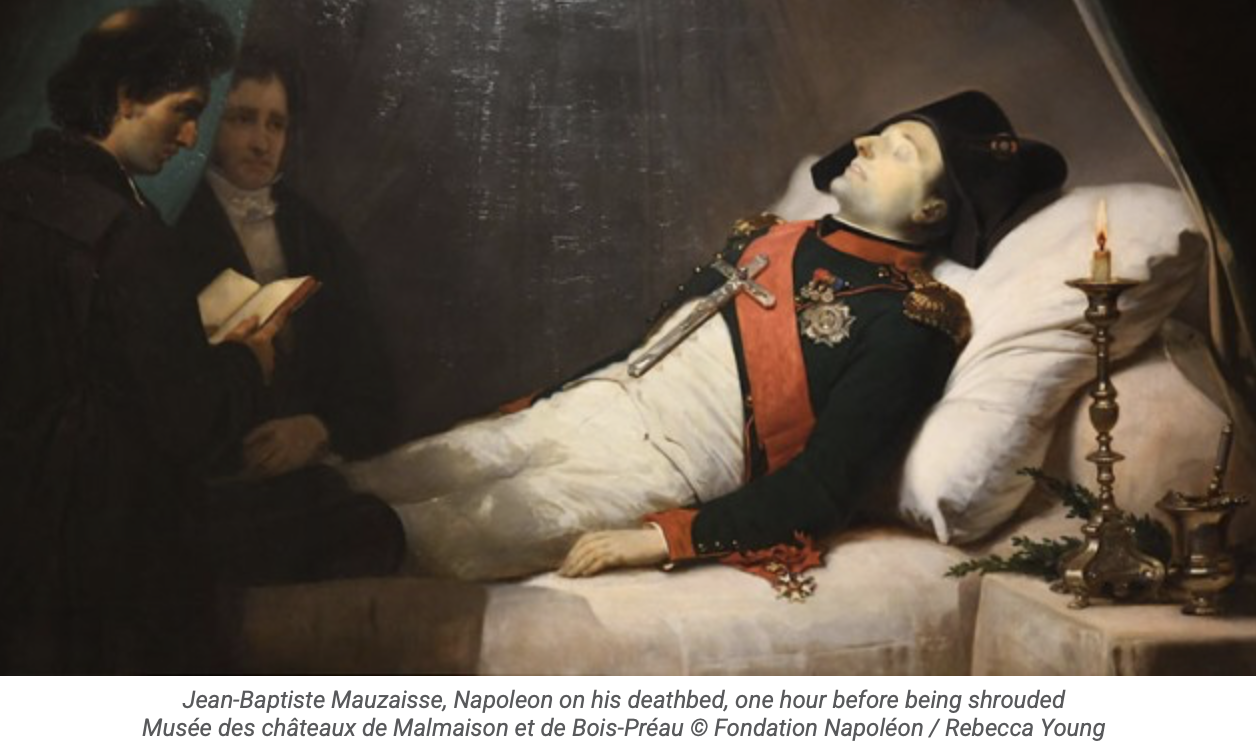
The news of Napoleon's death took months to reach France and the world. On May 6, 1821, Captain William Hendry departed Saint Helene for England with the news. Arriving in England on July 4, the London Star evening edition was the first to mention, with only a bi-line. It would be weeks before the news really spread with the details of his death, funeral, and even an engraving of Bonaparte on his deathbed.
On May 7, two days after his passing, a death mask was finally created. Due to the isolation of the island, the items needed to create a death mask were hard to obtain and were not on hand at the time of his death. Dr. Antommarchi quickly traveled to the nearby town of Jameson and purchased more than one-hundred small plaster figurines. Smashing and grinding to powder and water to create a paste to apply to the sunken face of the former Emperor. The crushed powder wouldn’t set, and his face continued to show the damage of the heat and humidity. The second option was to find raw gypsum used in plaster. British officers were sent to the beach to find sedimentary rocks, the natural source of gypsum. Returning victoriously, they were able to successfully create a death mask, but the drama wasn’t over yet.
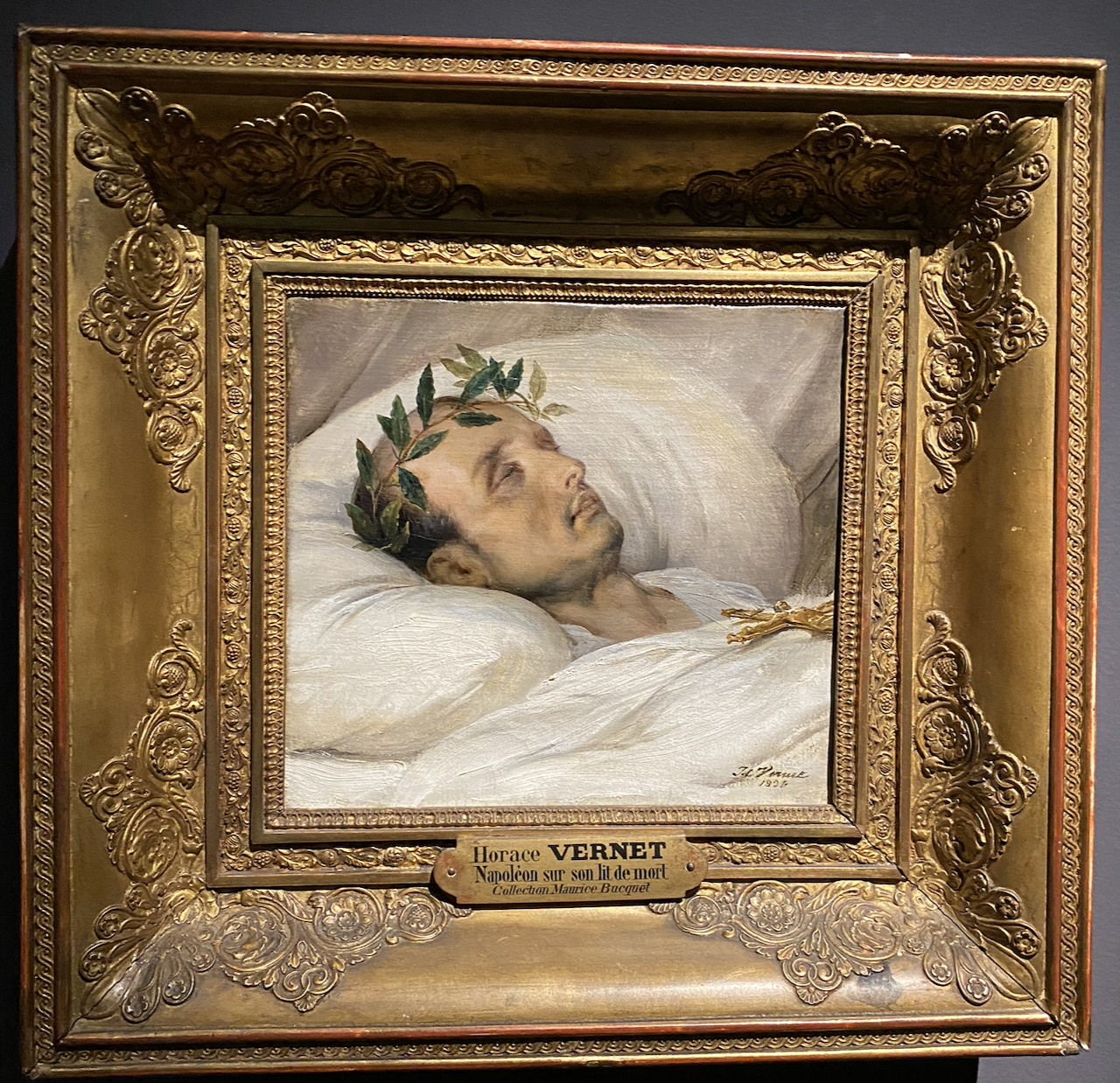
The mask was created in three separate pieces and needed days to dry once placed on the decomposing face of Napoleon. In the last decade of his life, Marshal Henri Gatien Bertrand was at his side. From Elba to Waterloo and the final exile on Saint Helene, Bertrand and his family were always there. Bertrand’s wife, the Countess Elisabeth “Fanny”, was a cousin of Josephine and very loyal to the fallen emperor.
Fanny sat next to Bonaparte’s body as the plaster dried, but in the dark of night decided to remove the front piece covering his nose, eyes, and mouth, and flee with or without the help of Doctor Antommarchi. Later, the doctor made hundreds of copies from the mold and sold them across Europe and North America. Today, many can be found in museums across Europe, including the Château de Malmaison and the Musée de l’Armée in Paris.
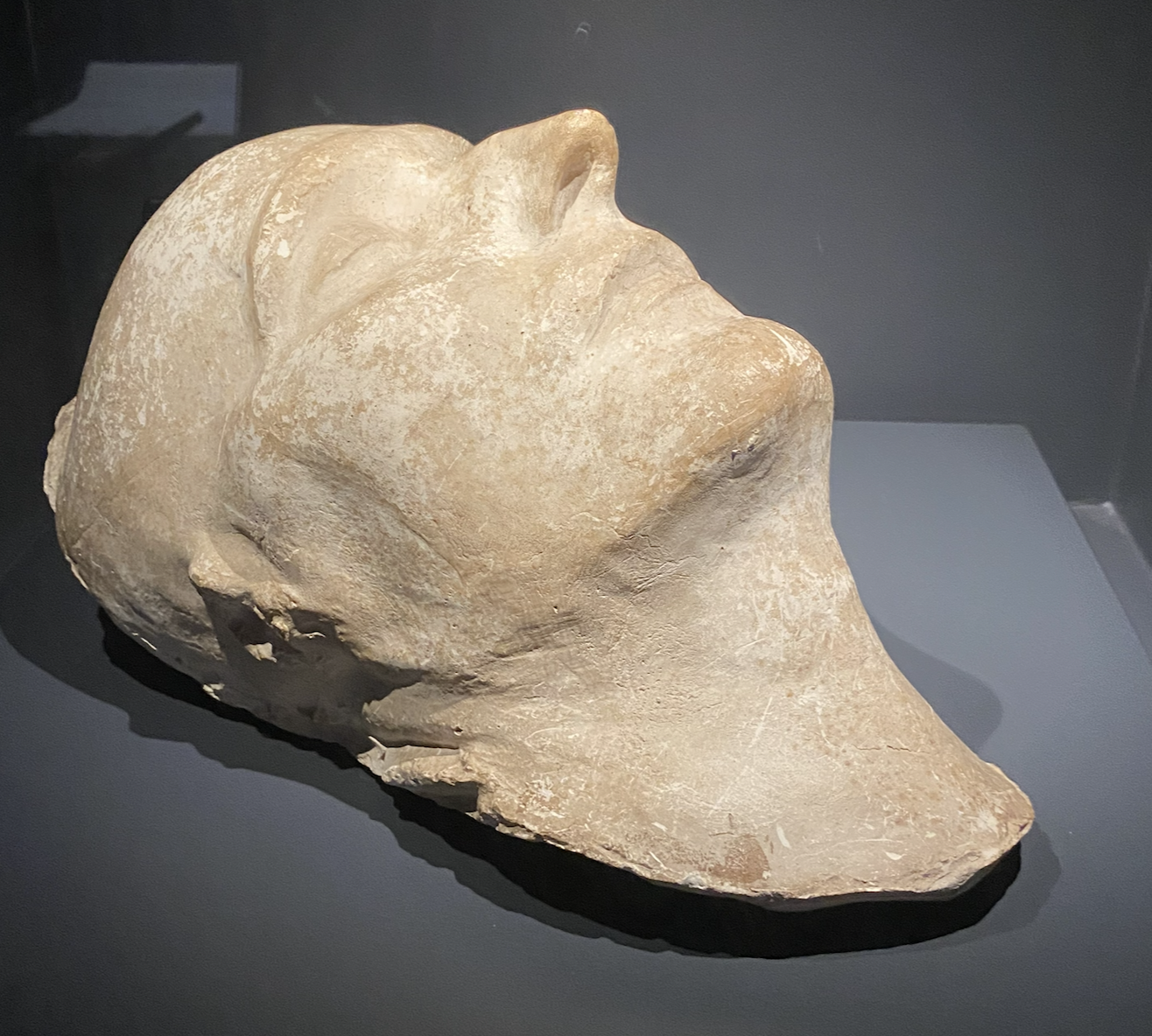
Masque Bertrand, Chateau de Malmaison
After the autopsy, Napoleon was dressed in the uniform of the Chasseurs de la Garde. Gericault captures the same uniform in a 1812 painting hanging in the Louvre next to an iconic painting of Napoleon by Gros. After the bloody linens were cut up and given to those close to him.
Napoleon’s final wish was to lie on the banks of the Seine in Paris, but that would have to wait for a closer location. When more active, he would take walks to the nearby Sane Valley, which he affectionately called the Valley of the Geraniums.
A grave was dug, then lined with bricks and a stone slab at the bottom in the center of the small meadow, with the shade of a willow tree. On May 9, Bonaparte and two silver vases holding his heart and stomach was first placed in a tin coffin constructed by Abraham Millington of the East India Company, upholstered by Andrew Darling, and sealed. Then placed inside a mahogany coffin and screw shut, then into a lead coffin soldered shut, and finally into another mahogany coffin.
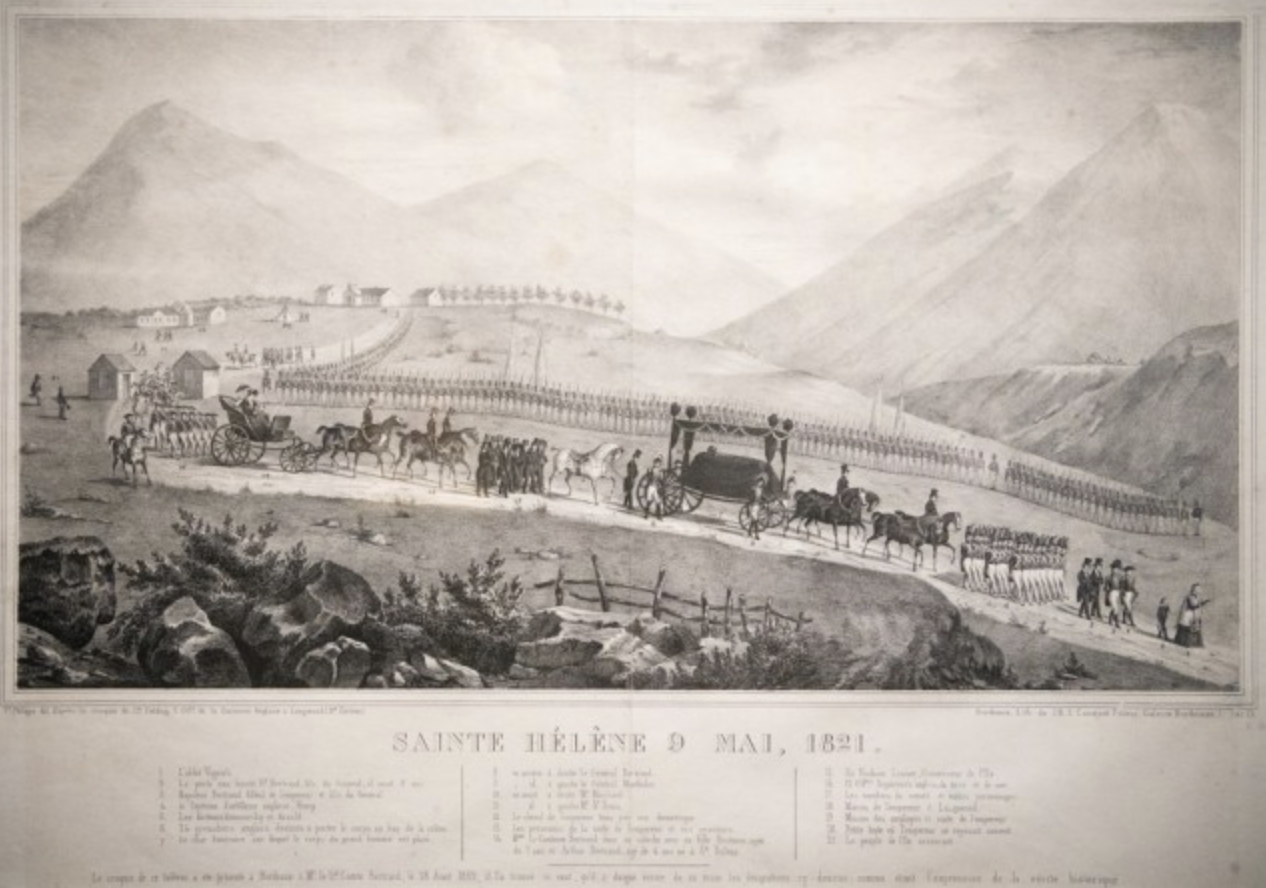
A tall tale of the island claims that Captain James Bennett offered his mahogany dining room table, which was cut to make one of the two mahogany caskets needed. It is just that, a tall tale, but it's a pretty fun one.
At 9 am, a full mass was led by Abbé Vignali with British officials and those close to Bonaparte in attendance. Given full military honors of a “non-commissioned” general, the funeral procession began at 11 am from the Longwood house to the burial space less than 2 miles away. The procession brought out the entire island as they said goodbye to their famous or infamous neighbor.
The final moments were documented by Bertrand. “The body was lowered into the tomb with pulleys, the burial chamber was covered over with a large stone… The stone that covered the body was bricked in, and afterward, everything was covered with a layer of cement. The top opening, which was about seven by four feet, was closed off and protected with a wooden base over which we secured the black drapery.”
After the ceremony, attendees drank from a nearby spring in silver cups, something Napoleon loved.
His coffin was covered with a stone slab, three feet of dirt, another stone slab, cement, and, the next day, a grave marker. Although the French and British officials couldn’t agree on what it would say, it was left blank.
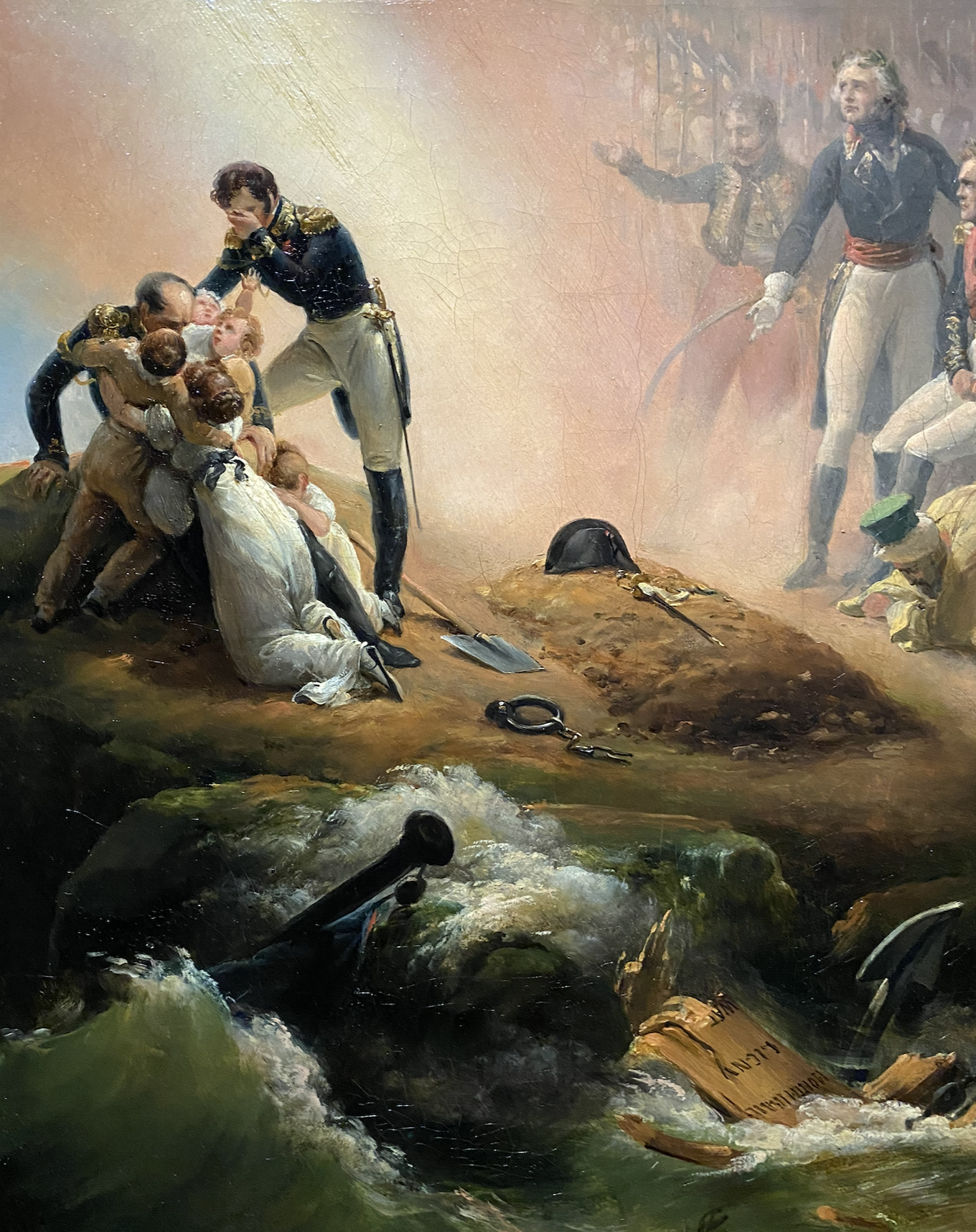
Le Tombeau de Napoleon, Horace Vernet 1821
For the next nineteen years, the tomb sat undisturbed. There are also a few conspiracy theories that it was opened after his burial, and the body was replaced with that of his loyal valet.
Quickly after news of his death spread through France, there were calls to bring his body back to Paris or even Corsica. While many of the French looked at his memory a bit more fondly than others, there is one thing the French love: their heritage. The British turned down every request; they kept him in exile the rest of his life.
“It is my wish that my ashes (body) may repose on the banks of the Seine, in the midst of the French people, whom I have loved so well.”
When Louis-Philippe came to power in 1830, he vowed to return "all the glories of France". While the Bourbon kings Louis XVIII and Charles X erased Napoleon from the Paris bridges, the facade of the Louvre and the street signs. Louis Philippe set his eyes on the ultimate prize, Napoleon himself.
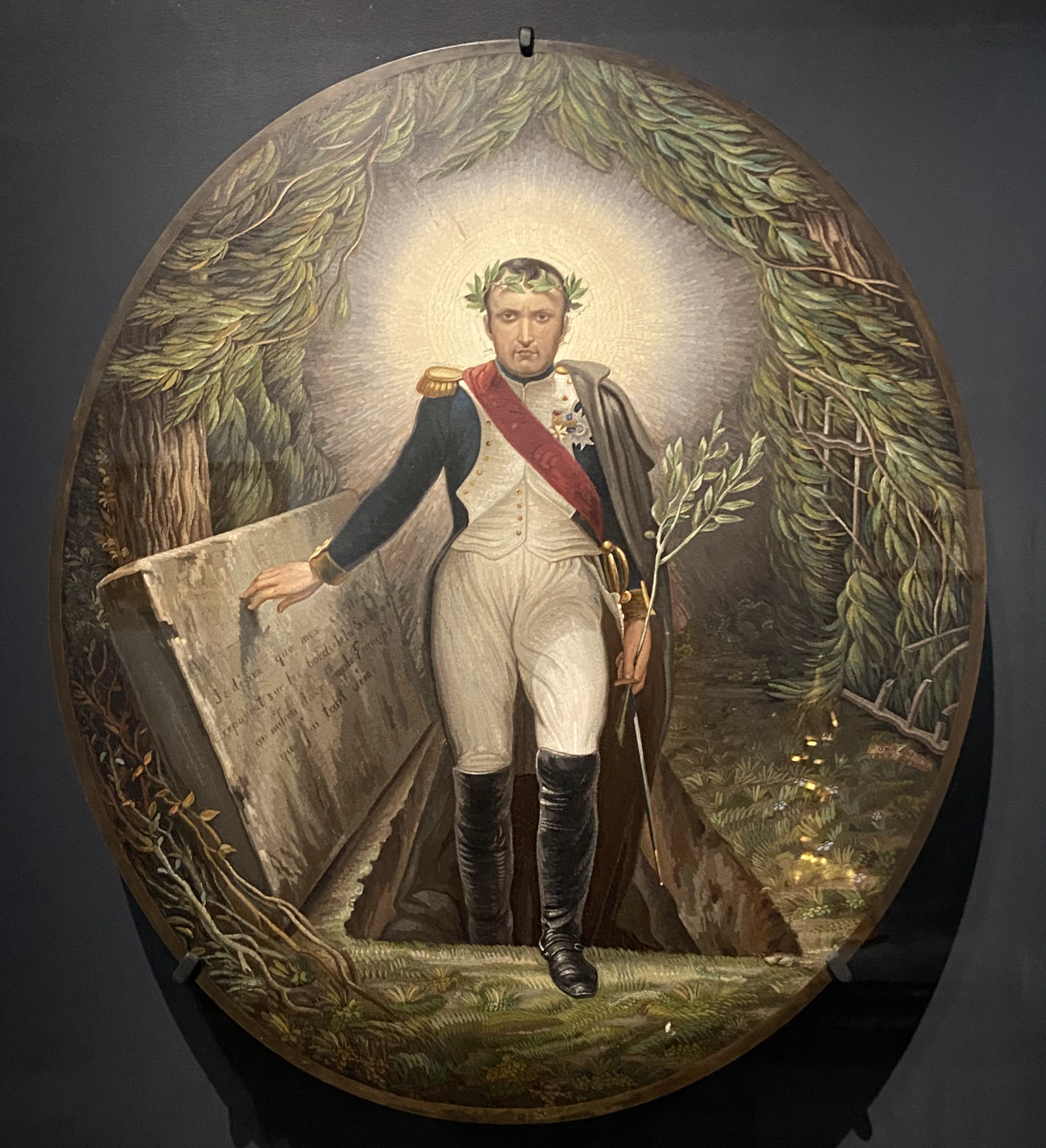
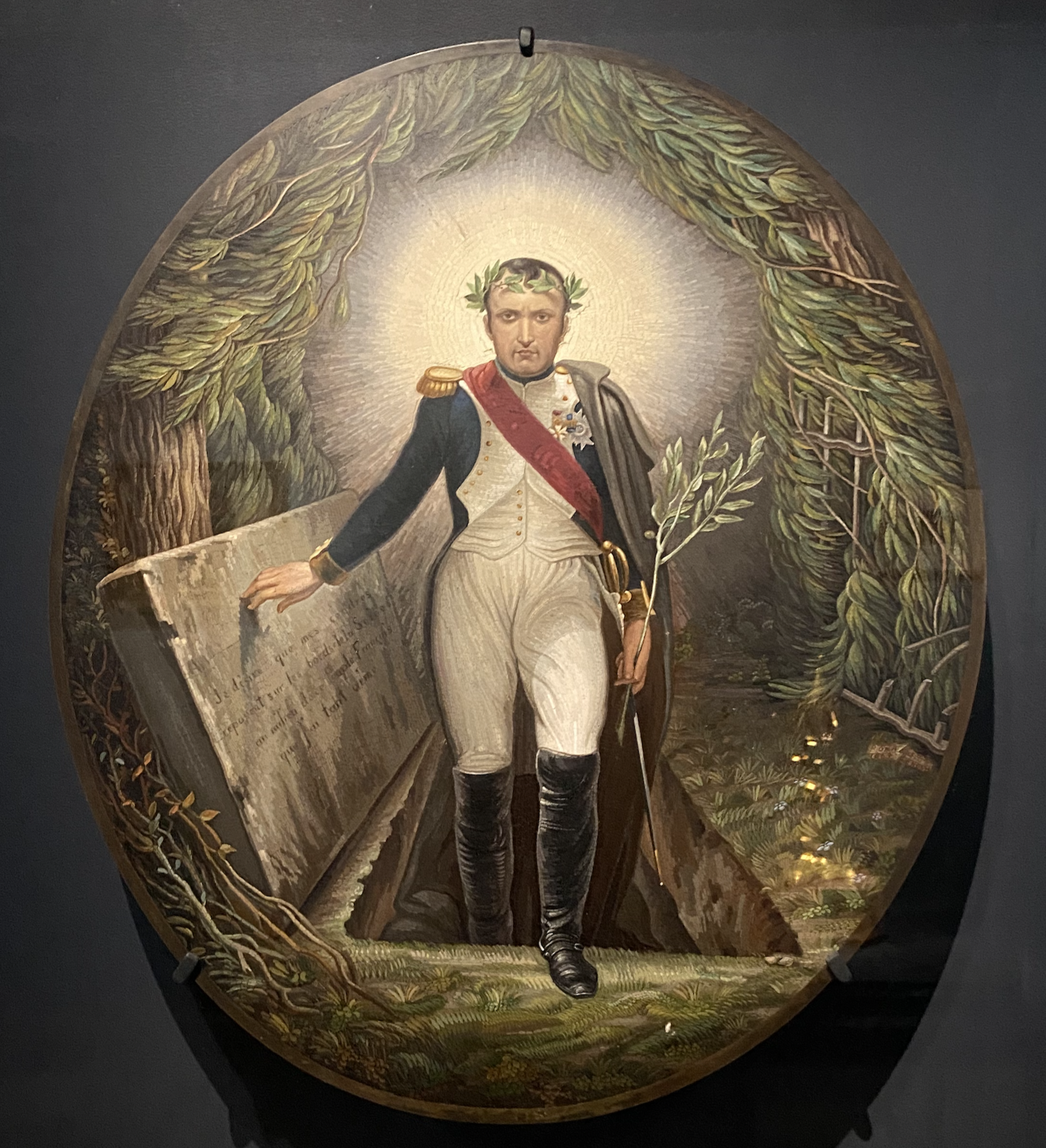
Napoleon Sortont de Son Tombeau, De Rossi, apres Horace Vernet; Micro-mosaique
Ten years later, the French requested the return of the Emperor from the British government. On July 7, 1840, the frigate ship Belle Poule left for the south of France with former officials, including many who had spent time on Saint Helene with Napoleon during his exile. The ship had been transformed to include a chapel covered in black velvet, embroidered with silver bees.
Once it was finally approved in the dark of night on October 14, 1840, the work began to unearth Napoleon from his slumber. At 9:30 am on October 15, his coffin was opened. In front of British and French officials, the Emperor dressed in his colonel's uniform, and his sash of the Legion d'honneur across him and his hat lying on his legs was once again a part of this world. if only for a brief moment. He was in fairly good shape after nineteen years. Former servants and those who once knew him stood near, weeping at the sight of the man they knew.
After the quick viewing, the four layers of the coffin were closed and resealed, and then lowered into an ebony sarcophagus.
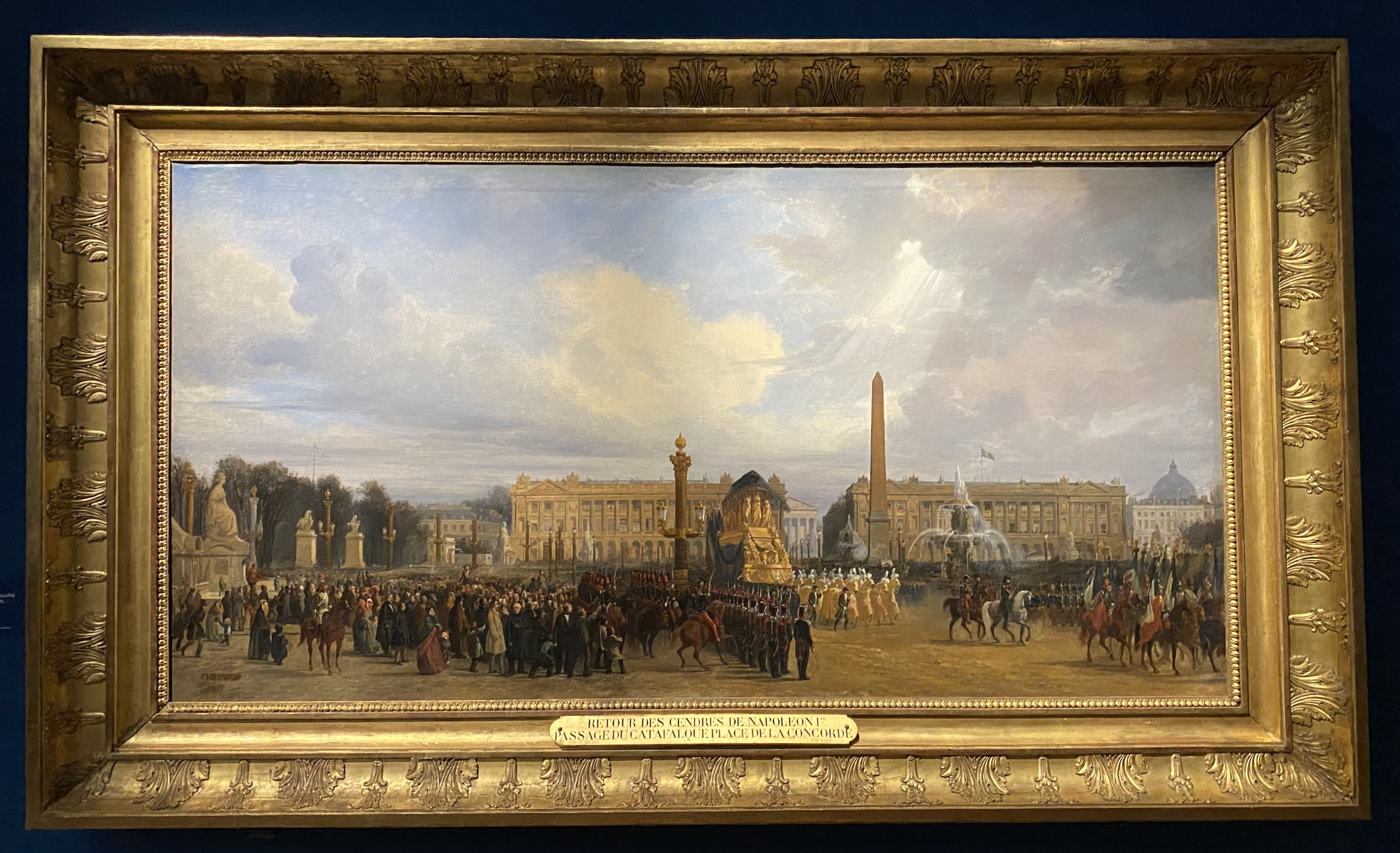
Detour des Cendres de Napoleon, Jacques Guiaud 1841
Before he was to leave the island, he was placed in a large oak coffin for protection and transport back to France. Covered in a velvet fabric embroidered with gold bees and eagles, Napoleon was taken in a funeral procession to the Belle Poule and, once again, followed by the Saint Helene residents, now wishing him a fond farewell.
The long return finally arrived in France in the harbor of Cherbourg on December 9, 1840. Transferred to a smaller boat, La Dorade, for its travel down the Seine to Paris. All of Paris was waiting to catch a glimpse. Two months to the day of the reopening on December 14, the ship docked at the Quai de Courbevoie.
In 1806, Napoleon Bonaparte was fresh off his victory at Austerlitz and wanted to erect a monument, as he said, "men are only as great as the monuments they leave behind." He had promised his soldiers on December 2, 1805, "you will return home under triumphal arches". Upon his return to Paris, he instructed a grand arc to be built. Originally planned for the site where the Bastille prison was torn down, but later decided to build it on the muddy hill of Chaillot, just outside Paris, looking down the Champs-Élysées toward the Palais des Tuileries. Napoleon would die before the arch was ever finished.
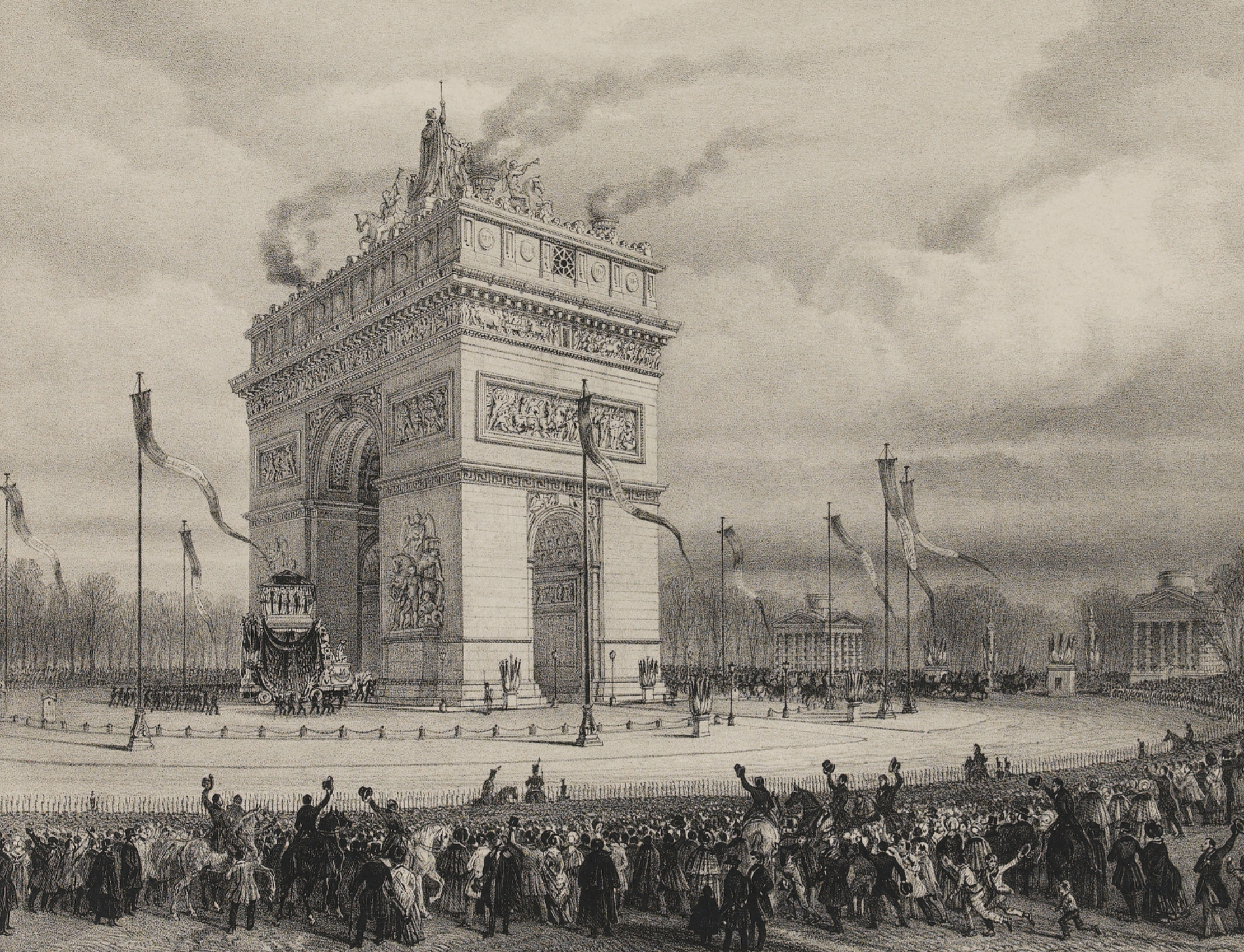
On December 15, with much fanfare, "les retour des cendres" was underway. A funeral carriage draped in fabric pulled by sixteen black horses carrying a mausoleum designed by Henri Labrouste. Complete with 14 caryatids, one for each of his victories, held up the coffin that was topped with an imperial mantle complete with crown, sword, and scepter, and weighed 14 tons and stood more than 32 feet high. It would travel under the finished and glorious Arc de Triomphe that had been his greatest wish to see finished.
Napoleon’s wishes of being laid to rest on the banks of the Seine came with some challenges. The Basilique Saint Denis, north of Paris, is the final resting place of many former kings and queens of Paris, but it was too far. How about under the Vendome column, topped with a statue of the Emperor, the only one in Paris at the time, or even the Madeleine church. Finding a place for him was caught up in political mindfields
The Hotel Les Invalides was built in 1671 by Louis XIV for injured soldiers and took over 30 years to finish. His architect, Louvois, placed special emphasis on the royal chapel, where the King and the royal family could attend mass. In June 1840 it was the winning location and transformed for the creation of Napoleon's tomb. While the journey from Saint Helene took two months, the final resting place would take much longer and wasn’t ready when Napoleon arrived. Placed in the Chapel of Saint Jerome, where he would remain until the crypt was complete.
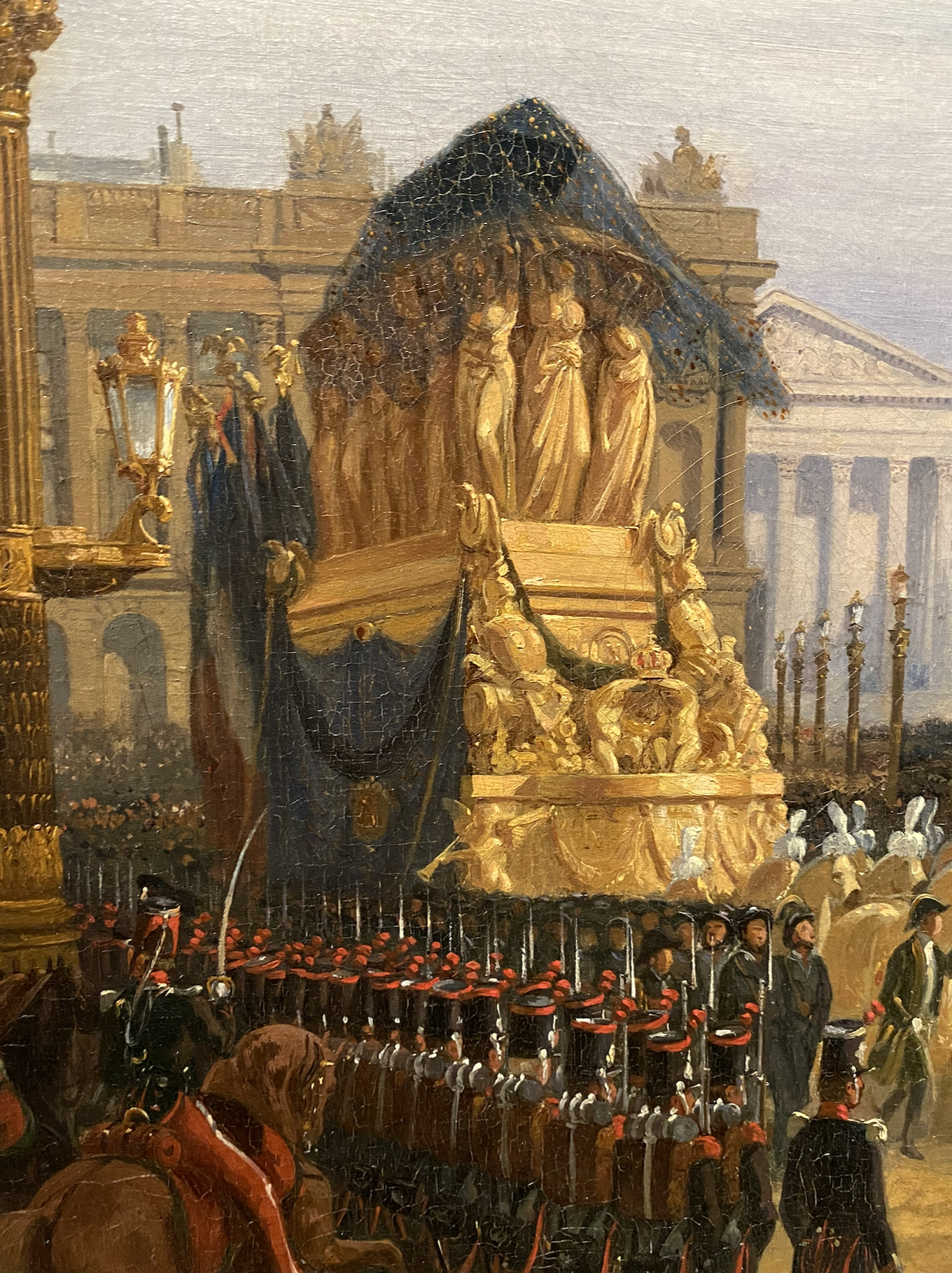
It took many years to complete his crypt, including opening up the center of the floor so light could flood the sarcophagus and visitors could gaze down at the vast tomb.
Architect Louis Visconti, who would go on to design the Louvre of Napoleon III and the fountain of Saint Sulpice, among many other things. The dome of the Église Saint Louis was once the part of the church that the King and his family used. It was Napoleon himself who turned the dome into a tomb in 1808.
Visconti would cut a hole in the floor under the dome, adding to the dome's impressive size. You will never forget the first time you see it. As you enter the crypt below, a huge gate greets you at the entrance, with two bronze statues by Joseph Duret representing Justice on the left, holding a crown and sword, and on the right, Imperial Power, with a sword and sphere topped with a crowd, an emblem of the world. Above it is inscribed in French his final wishes, "On the banks of the Seine, in the midst of the French people whom I loved so much."
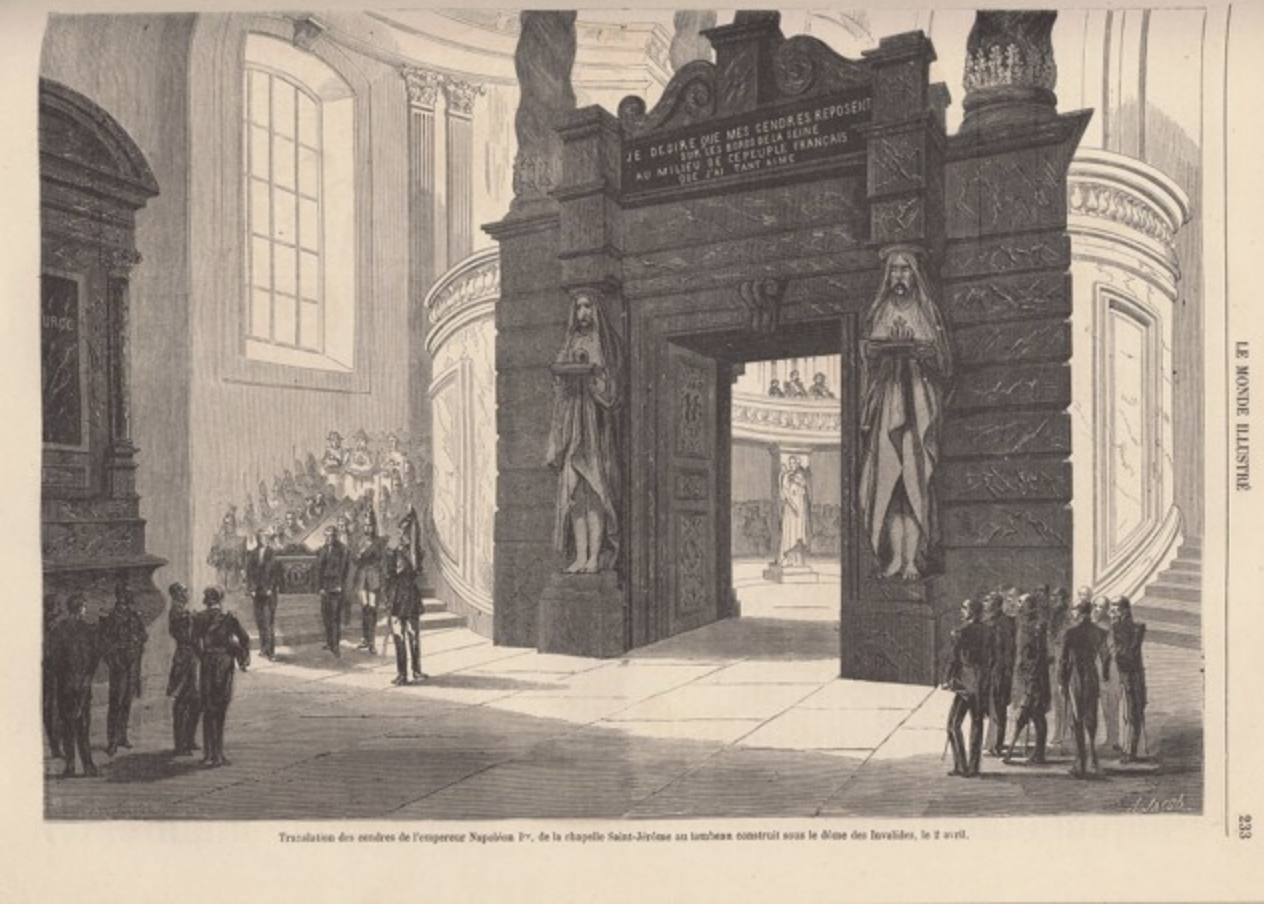
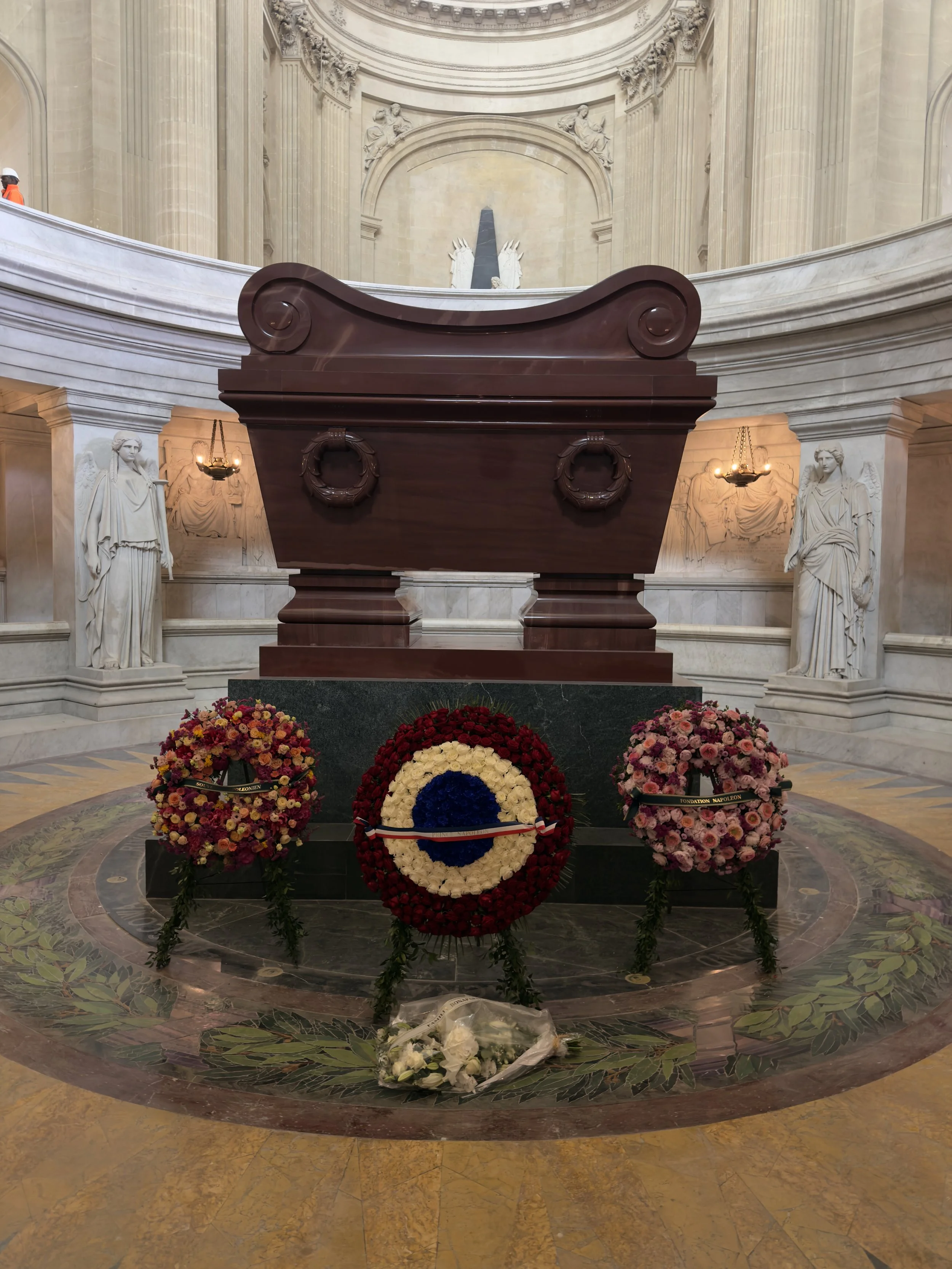
On April 2, 1861, Napoleon was finally placed in the large sarcophagus imagined by Visconti before his death in 1853. Using the burials of great Roman emperors, Visconti chose red stone, which proved harder to find. It was in northwest Russia, near Lake Onega, that he found one of the oldest stones on Earth. Standing over 16 feet high, the impressive tomb holds the emperor's body, resting on green Vosges marble.
Napoleon’s final resting place is guarded by the twelve allegorical figures representing his many victories, sculpted by James Pradier and standing tall. Along the outer walls are ten bas-reliefs by François Jouffroy and Auguste Dumont that depict his many achievements, including civil peace, the Civil Code, and the Legion of Honor. Complete with scrolls listing all the things he implemented in France. Dumont and Jouffroy were very kind when they designed the body of Napoleon; not sure he ever looked quite that muscular, but who wouldn’t want a little alteration to their physique?
As you make your way back up the stairs, you can stand in the center and look back down at his tomb; it really is an amazing place.
May 6, 2026
Les Invalides is still a hospital and retirement home for veterans, but includes the Musée de l'Armée and the Musée des Plans-Relief. It is an incredible museum that spans from the 13th century, with armor worn by Francois I, to the tent used by Napoleon and even his horse, which is now stuffed and on display. Everything is done chronologically, including a wing dedicated to WW I & II. This isn’t your typical museum dedicated to fighting forces; it features amazing art, multimedia displays, memorabilia, and even vehicles. Every trip my grandfather made to Paris included a few days at this vast museum. I always suggest a visit to clients who want to dig a little deeper into French history.
The Legion of Honor museum, opposite the Musée d’Orsay, holds paintings and the emblem he created.
And I encourage everyone to visit the beautiful Chateau de Malmaison. The attic has many items that belonged to Napoleon at the end of his life, including tools used for his autopsy.
And of course, the Louvre where you can find many of the large paintings dedicated to the retelling of his story.
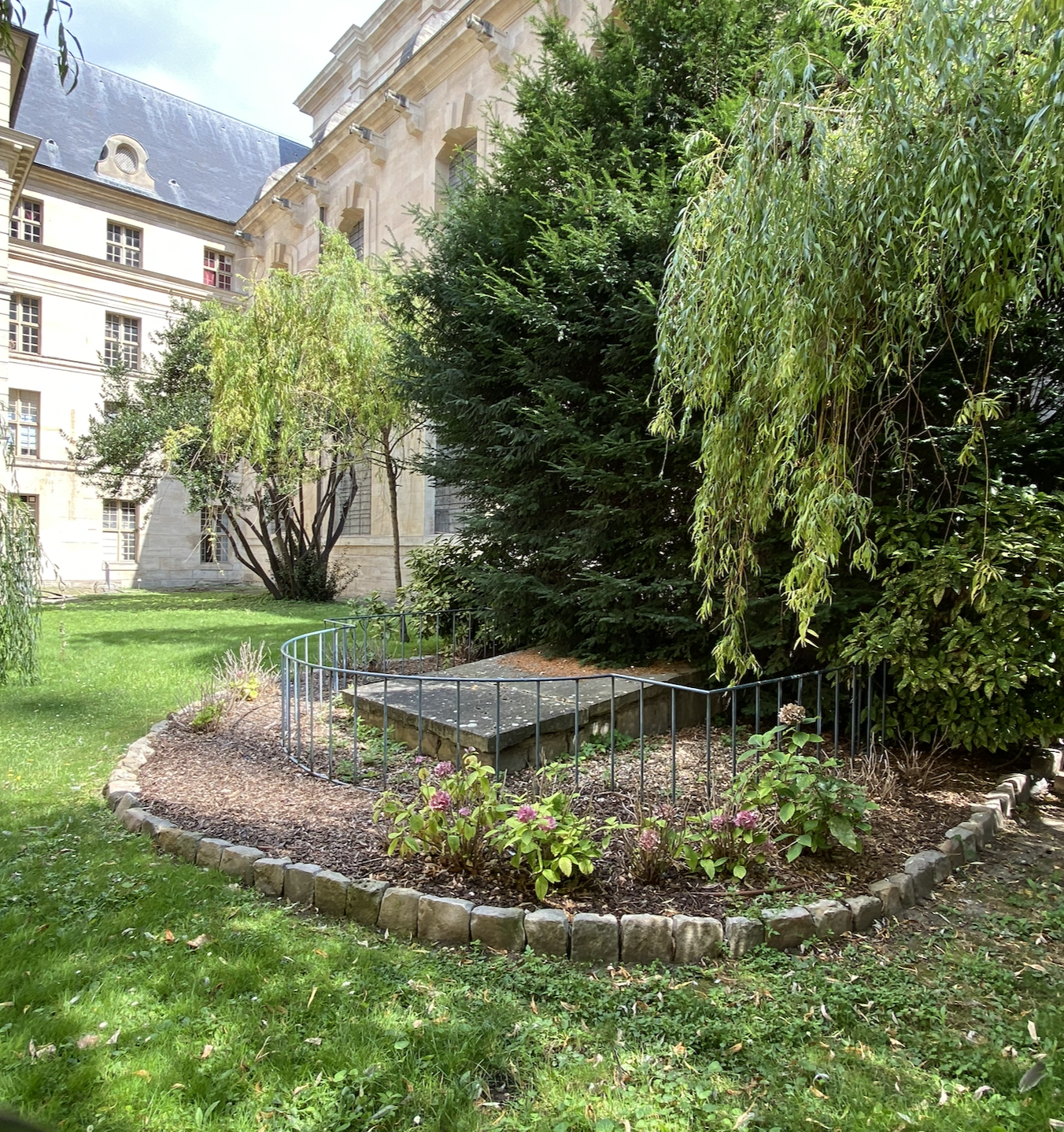
Saint Helene Gravestone under two willow trees at Musée de l’Armée
Napoleon.org resource for anything Napoleon
https://www.buzzsprout.com/2557975/episodes/19127746