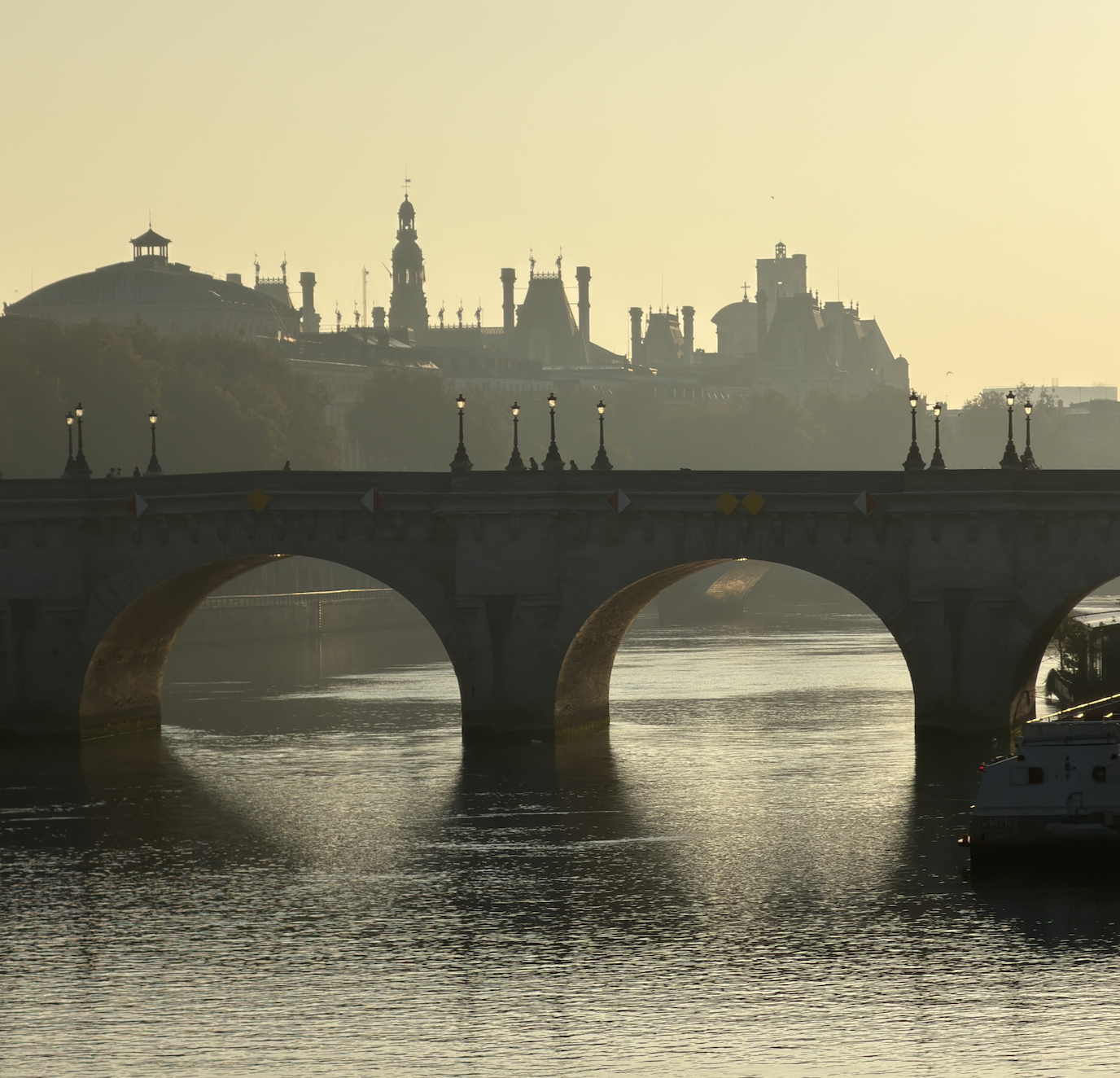
Like many great cities, Paris was born from the Seine. The once-small island, which held the city of Lutetia and is now known as Ile de la Cité, was the precursor to Paris. There are 37 bridges that cross the Seine in Paris, linking the left and right banks together, each holding its own slice of history.
Only two wooden bridges linked the island to the left and right banks for the first 800 years. More bridges were added beginning in 1378 with the Pont Saint Michel. As they were built of wood, numerous floods, river traffic, and even a deep freeze destroyed most of the bridges, and more than once.
As the city expanded from the island, the need for another bridge was imminent. The kings had moved to the Palais des Louvre and Queen Mother Catherine de Medici had built her Palais des Tuileries, which also brought hundreds of courtiers and servants to the center of the city. Where the king goes, the businesses go, and then the people. A 16th-century gentrification of Paris.
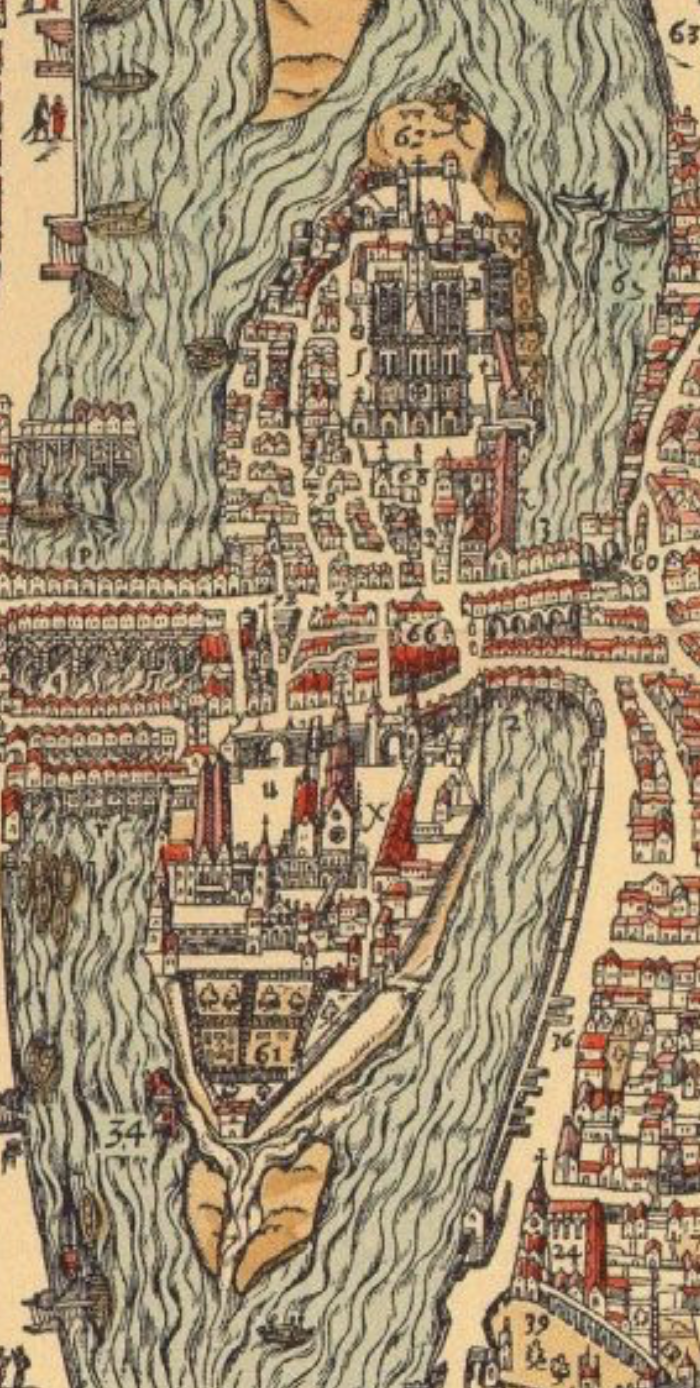
Paris in 1575
Henri III was under the strong thumb of his mother in 1577 and launched a commission to build a new bridge at the end of the island, linking the two sides of Paris for the first time in one span. It was by far the riskiest location in the city center. The river was at its widest, and the current constantly changed. It would be a project that only the king's architects could tackle. Architects Jacques & Baptiste Androuet du Cerceau began the project under the vision of Henri III, even if they also thought it was a little crazy.
On May 31, 1578, Henri III laid the first stone on the left bank with his mother, Catherine de Medicis, at his side. Just days before, a duel to the death that included two of the king's closest friends and soldiers. Louis de Maugiron and Jacques de Caylus were each killed, and it was devastating for the king. At the laying of the stone, the king was visibly upset and cried, giving the bridge the nickname "Pont Pleurs," the bridge of tears.
Construction continued for eleven years until the sixth War of Religion reached Paris and forced Henri III to retreat. On August 2, 1589, Henri III was killed by a Dominican monk, launching the King of Navarre, the other Henri III, onto the throne of France and becoming Henri IV, aka Hot Legs Henri.
Henri IV made his grand entrance to Paris on March 22, 1594, and was shocked at what he found. The city was falling apart. The Louvre had been without a king since 1589, while Henri IV fought for his acceptance to the throne. The far from finished Pont Neuf wasn’t more than a few piers sticking out of the Seine, and work needed to resume so it wouldn’t be lost forever. Ten years after the work had stopped, Hot Legs Henri called for the completion in May 1598, with a few changes made by architects Guillaume Marchand, François Petit, and Pierre de Illes. And to pay for it, they would tax wine as it entered Paris, with the proceeds regularly set aside to build fountains. A few hundred years later, an Englishman would use his money to create fountains to bring water to the drunk Parisians. It all evens out in the end.
Henri IV removed the houses that his predecessor had imagined for one important reason. He wanted people to have a clear view of the Galerie Bord de l’Eau (Grande Galerie) of the Palais du Louvre.
For five years, the work continued. The bridge would span across the end of the island, very different from what you see today. The tip of the island that includes the Pont Neuf sits on the remnants of three small islands: the Ile du Patriarche to the north, Ilot de la Gourdaine to the east, and the Ile aux Bureau on the south side.
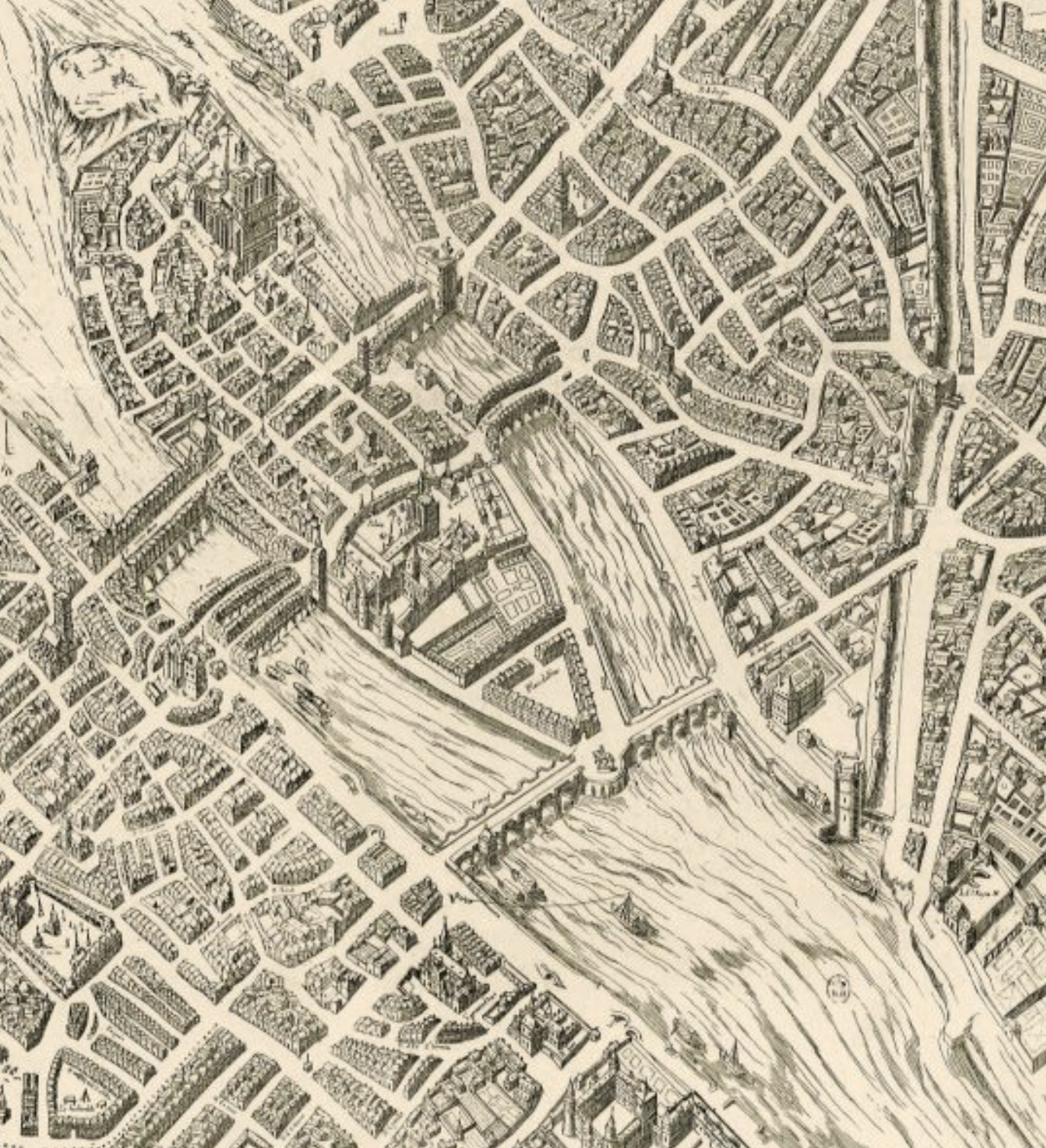
Paris 1609
On June 20, 1603, Henri IV made his first crossing of the bridge from the convent of the Grands Augustins to the Louvre. The bridge hadn’t been finished yet; only the south arm was complete, and all but three arches of the north. Henri, the positive guy with a bit of royal arrogance, decided he could cross the bridge on his horse and the wooden planks to reach the right bank. Many curious Parisians couldn’t wait to check out the bridge for themselves, although it ended in death after they fell into the Seine. The king ordered the bridge to be completed tout de suite.
The bridge was finally finished on July 8, 1606, 420 years ago next month, and luckily, before the King’s untimely death on May 14, 1610. (for more, listen to episode 18)
The official inauguration was held in 1608, but it would take another 18 years before the entire project would be completed. Four hundred years ago this year, in 1626, the bridge and the surrounding area were finally finished. Sitting at over 760 feet long and 72 feet wide, it was also the first paved bridge in the western world.
When the bridge was finished, it became the most popular spot in Paris. Every level of society would be found on a given day. From the aristocracy to the pimps and prostitutes. The sidewalks, the first not only in Paris but the first in all of Europe, were set up a few steps from the street, no longer fearing for your life as you walked down the street.
If the police were looking for someone, they knew to wait below the statue of Henri IV at some point, every single person in Paris crossed the Pont Neuf.
The arcades between the arches were used by merchants, booksellers, and peddlers, who would set up each day and carry their stock and furniture away each night. Just like Paris today, the pickpockets and thieves found the distracted shoppers easy prey. In 1776, structures were built into the arcade and managed by the Royal Academy of Paintings, a gift from Louis XV years earlier.
Henri Cognacq, a name you may not recognize, built an empire that began in one of the small arcades closest to the right bank. In 1868, under a large red umbrella, Ernest sold red knit hats and red fabric and became so successful that he opened a department store just steps away. The Samaritaine opened in 1870
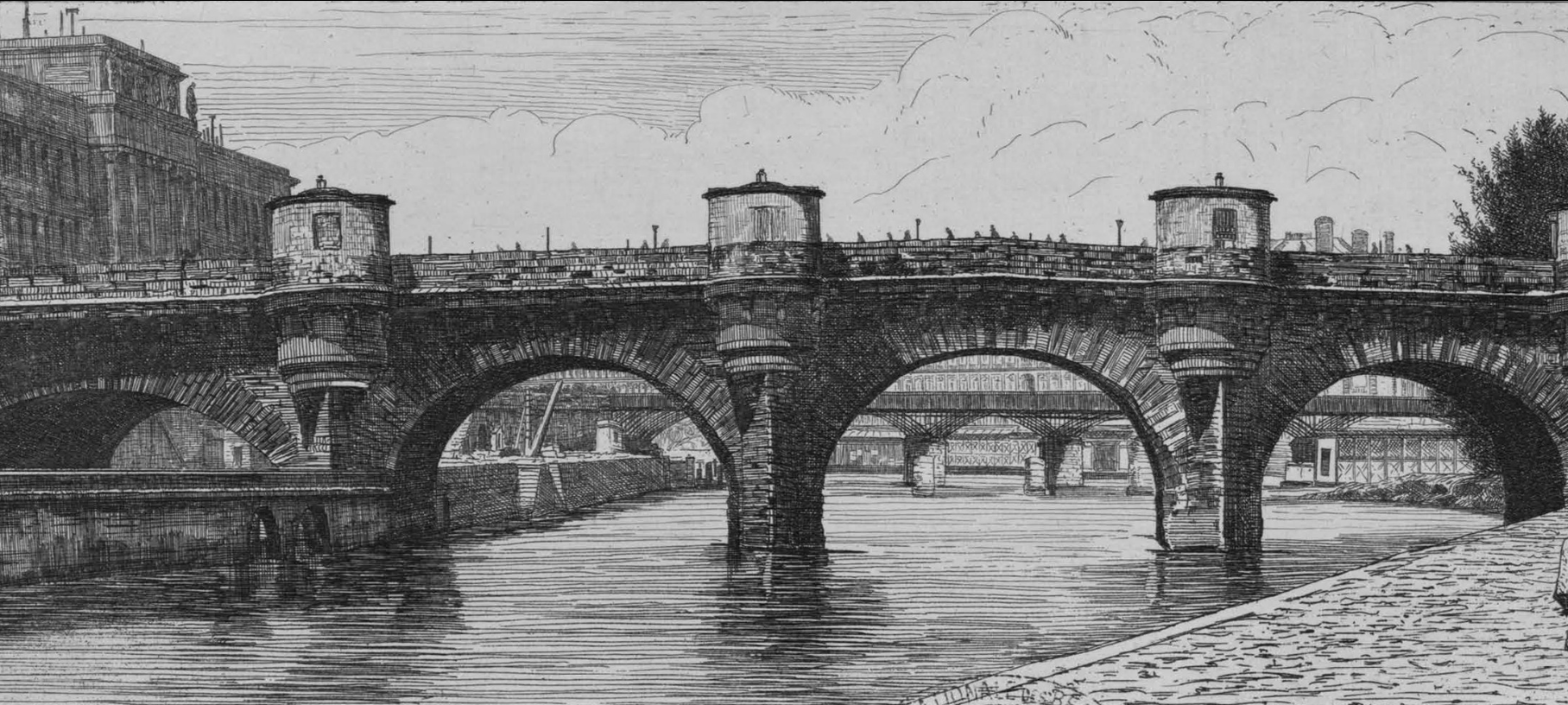
The Pont Neuf became the epicenter of Paris in every way. Theatrical performances were held at the center of the bridge years before a theater was built. Before we had the beloved bouquanistes you had the Pont Neuf. The sidewalks were lined with booksellers, with as many as 50 stalls and even individuals selling books from a tray strapped around their shoulders, set up along the bridge. Ladies known as Bouquetières sold flowers and gifts to the smart gents passing over the bridge on their way home.
While walking on the bridge in the day was the chicest activity in Paris, once the sun went down, it became the original no-go area and the darker side of life on the Pont Neuf. When the large cloaks worn by men in the 17th century became all the rage among aristocratic Parisians, the thieves would hide in the shadows and rob a passerby, only to cut the massive piece of fabric in two and resell it. They might have missed the moral of the story of Saint Martin.
Built of limestone, the bridge was also the first to be decorated. Only viewed from below along the wall and lining the bridge are 381 mascarons, first conceived before 1608 and widely attributed to Germain Pilon, sculptor of the Valois family. Pilon died in 1590 but he could have possibly done a few drawings under Henri III. The 380 male mascarons are each individually created, and no two are alike. They include scary faces of satyrs and sylvains, Roman gods of the forest. Faunes, Greek dryads, and a few faces encircled in flowers. There is only one female, a Medusa mask at the very center, looking down into the square. Some say that they represent the husbands of each of Henri IV’s conquests. None of the originals remain on the bridge today; a few can be found in the Carnavalet museum.
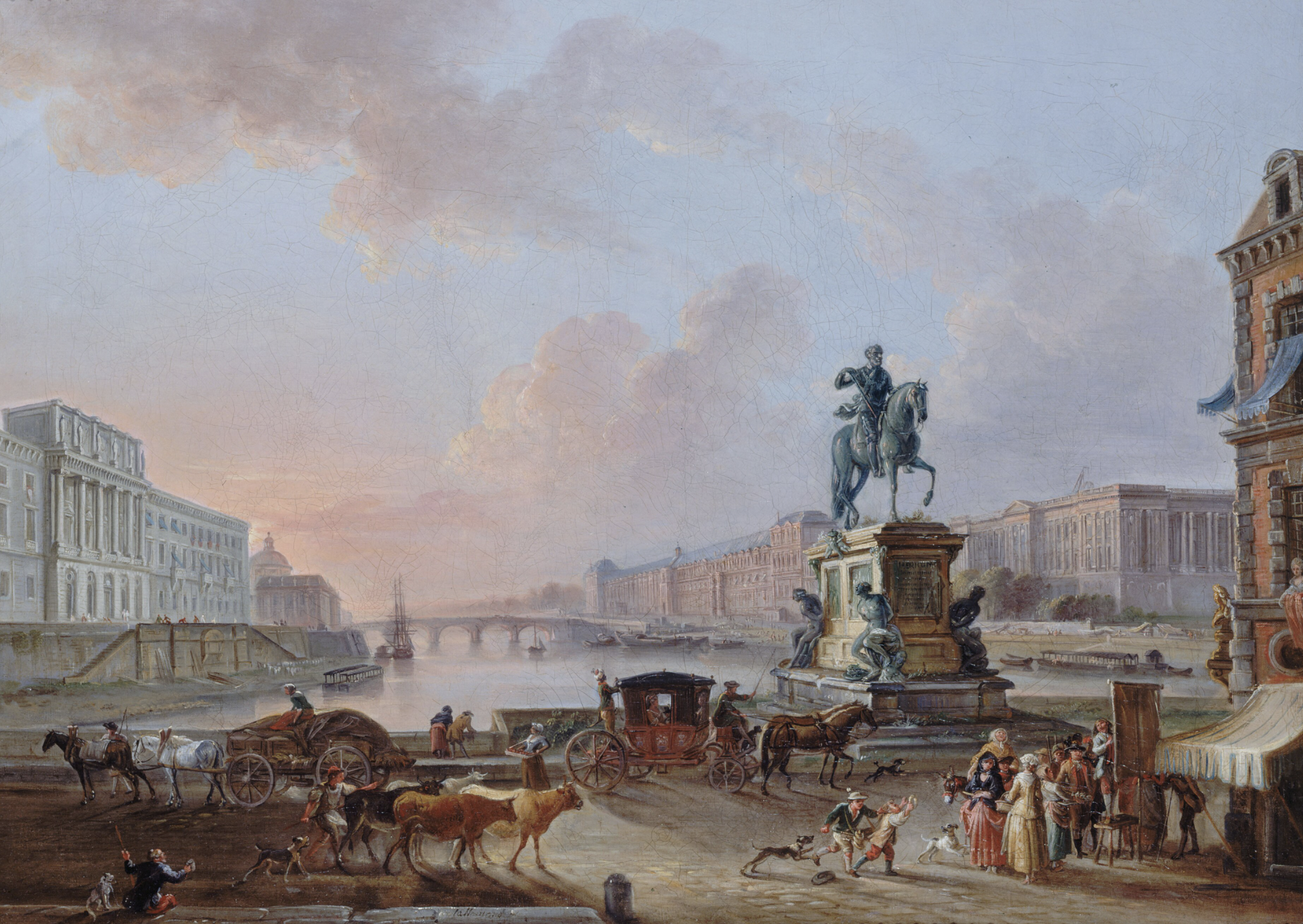
The crowning decoration of the bridge is, of course, Henri IV himself.
The idea of an equestrian statue of Henri IV was first proposed in 1604. Inspired by the great efigies of Rome and the Florentine Medicis. Built under the orders of his wife, Marie de Médicis, but his untimely murder would come before the statue was finished. Completed in Italy in December 1611, it took two years before it left Livorno in the spring of 1613 and set out from the port of Genoa to Paris. The ship was attacked by pirates and sank off the coast of Savona.
Many months later, in 1614, the wreckage was discovered, and the statue was finally headed to Paris on a barge from Le Havre, down the Seine, arriving on July 24, 1614, and placed on the Pont Neuf and inaugurated on August 23, 1614, now as a remembrance for the king who was killed four years before.
Sitting on a pedestal created by Marchand, the statue of Henri IV was surrounded by the Four Captives statues that can now be seen in the Musée du Louvre in the Richelieu wing. Designed by Pierre de Cambrai and carried out by his son-in-law, Francesco Bordoni, in 1618. They were finally put in place in 1635 after the base was finished. A fantastic painting by Jean-Baptiste Lallemand hangs in the Carnavalet, giving you an idea of what the statue and captives looked like.
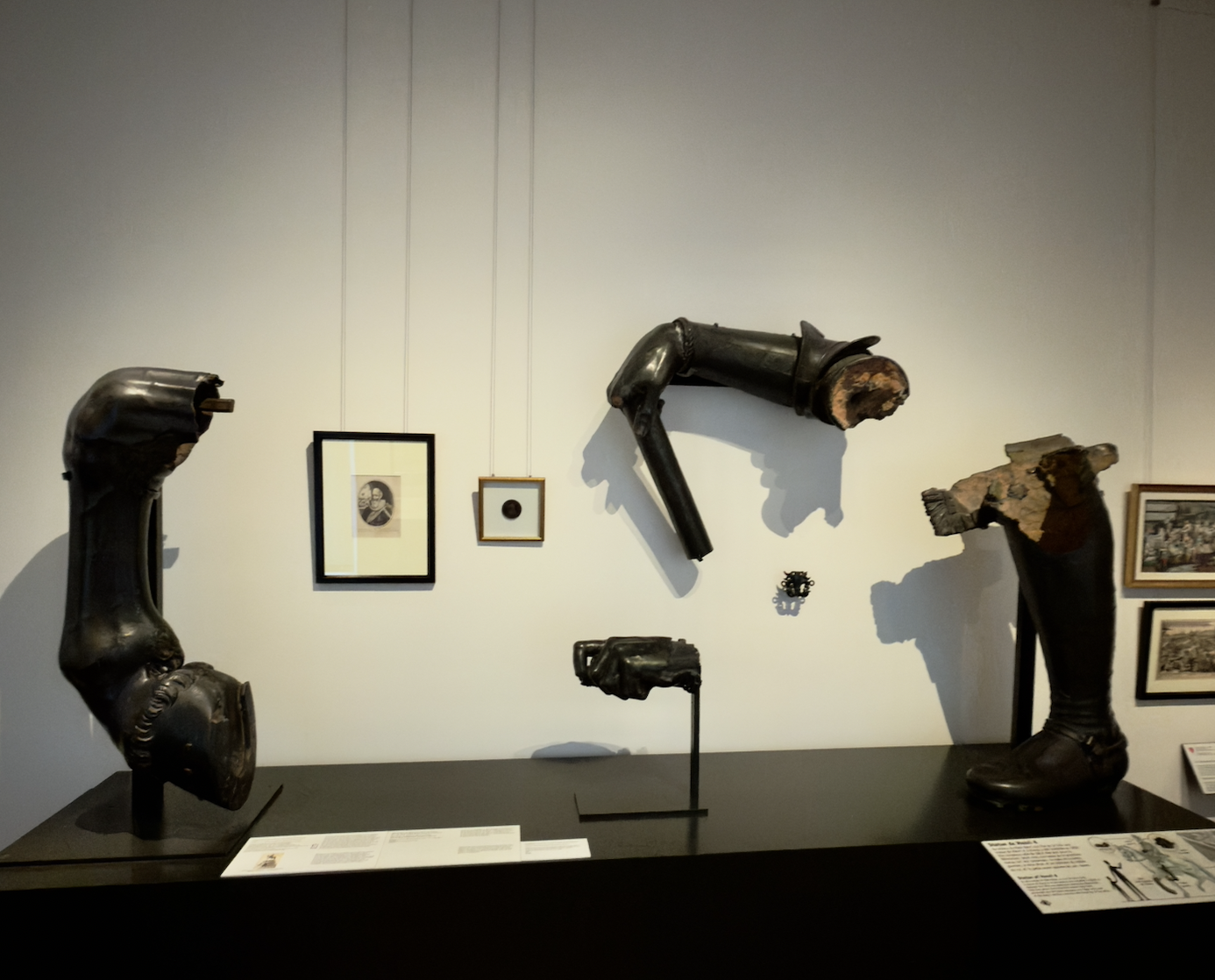
Musée Carnavalet
Like many monuments in Paris, it would not survive the Revolution. Broken and melted down, it was all but destroyed, an a few pieces of the statue survived and are now in the Carnavalet.
Jacques Louis David, artist and official party planner of the Revolution, suggested they add a statue dedicated to the people in the place of Henri IV. It would be created by melting down many of the statues, including Henri, repurposing marble statues, and incorporating pieces like the four captives of Louis XIV. It never happened. However, this wouldn’t stop the next megalomaniac.
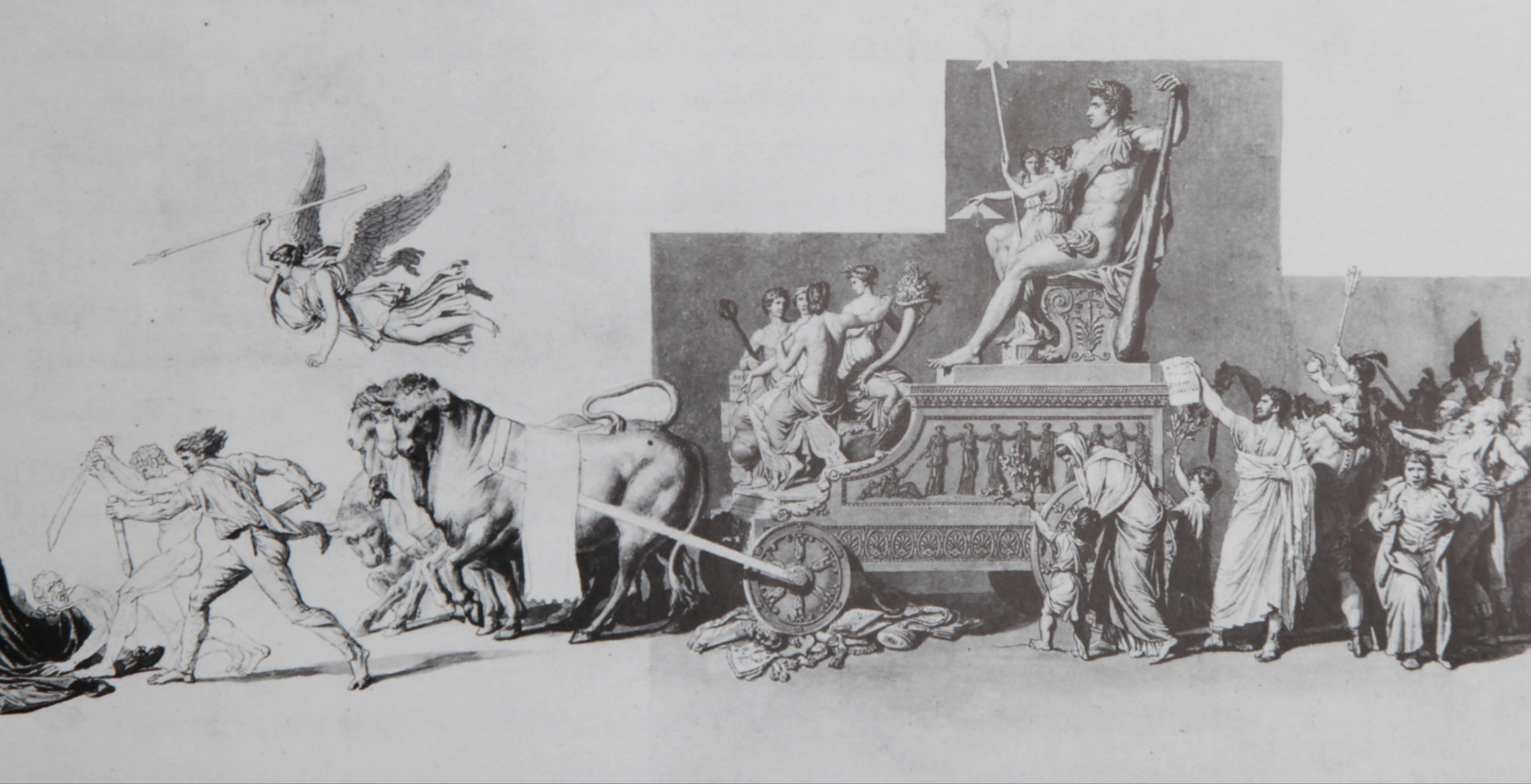
Napoleon Bonaparte found an empty pedestal, and of course, he needed to have it filled. In 1810, the base was strengthened to hold a massive 198-foot-tall stone obelisk. Napoleon was ousted before anything could actually be built.
Napoleon was barely out the door when Louis XVIII ordered an exact replacement of Henri IV and returned it to the Pont Neuf. Henri would rise again.
On August 25, 1818, the final statue we still see today was inaugurated and cast from the original mold using bronze from other statues in Paris, including a statue of Napoleon once in Place Vendome. Customary at the time, four boxes were placed inside the horse's belly to serve as a time capsule, including the one placed in the base the year before. A copy of the Life of Henri IV by Péréfixe, printed on parchment and bound in green leather, was also added, along with 26 medallions, a crystal effigy, a letter, and a list of the people present at the occasion, the creation of the statue, and other books.
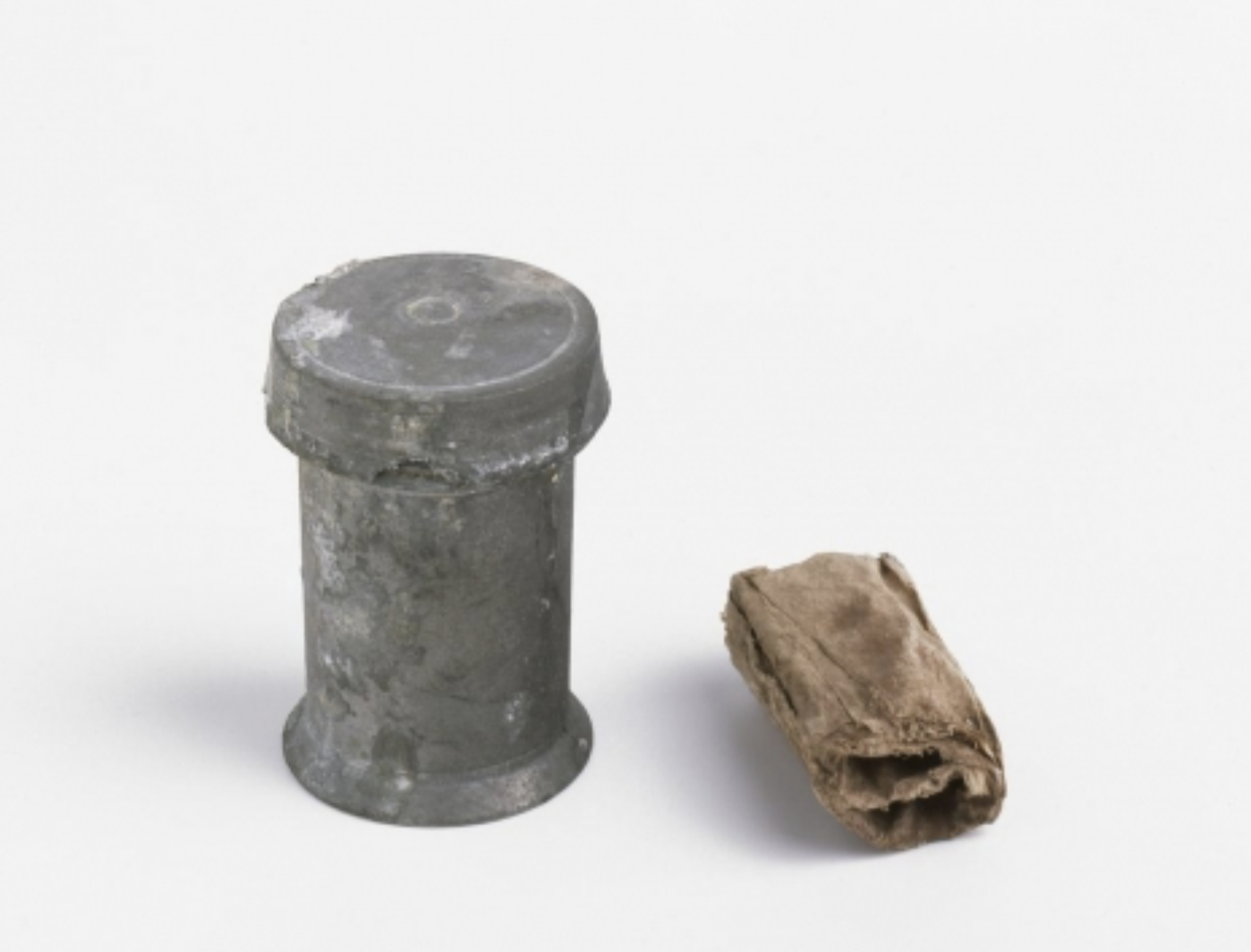
Inside the statue, a closely kept secret is hidden. A workman named Mesnel, a loyal Bonapartist, stuffed Henri with two cylinders of anti-royalist papers while he was being built. It was a myth until 2004, when it was restored, and the cylinders were found hidden in his elbow and neck, filled with the very papers. Before the restoration was finished, they returned the hidden treasures to the king. Check out a few photos here
Henri stands at the bridge and looks west into the Place Dauphine, the very one he had constructed in 1607. Before the bridge was finished, the Place Dauphine was laid out. The triangle-shaped royal square was named for his son, the dauphin, Louis XIII. The royal square is surrounded by structures in the Henri IV style, and a few of the originals remain today. The two at the entrance at no 29 & 33 and 13, 15, and 19 on the south side still date to the first construction of the Place Dauphine.
The bridge would undergo its first restoration in the 1810s and 20s, almost completely rebuilding it. The piers holding caves were filled in, and the bridge was flattened in the center of each arm, and the sidewalk was lowered as well.
It wasn’t until 1888 that the Square du Vert Galant was built, extending the island even further.
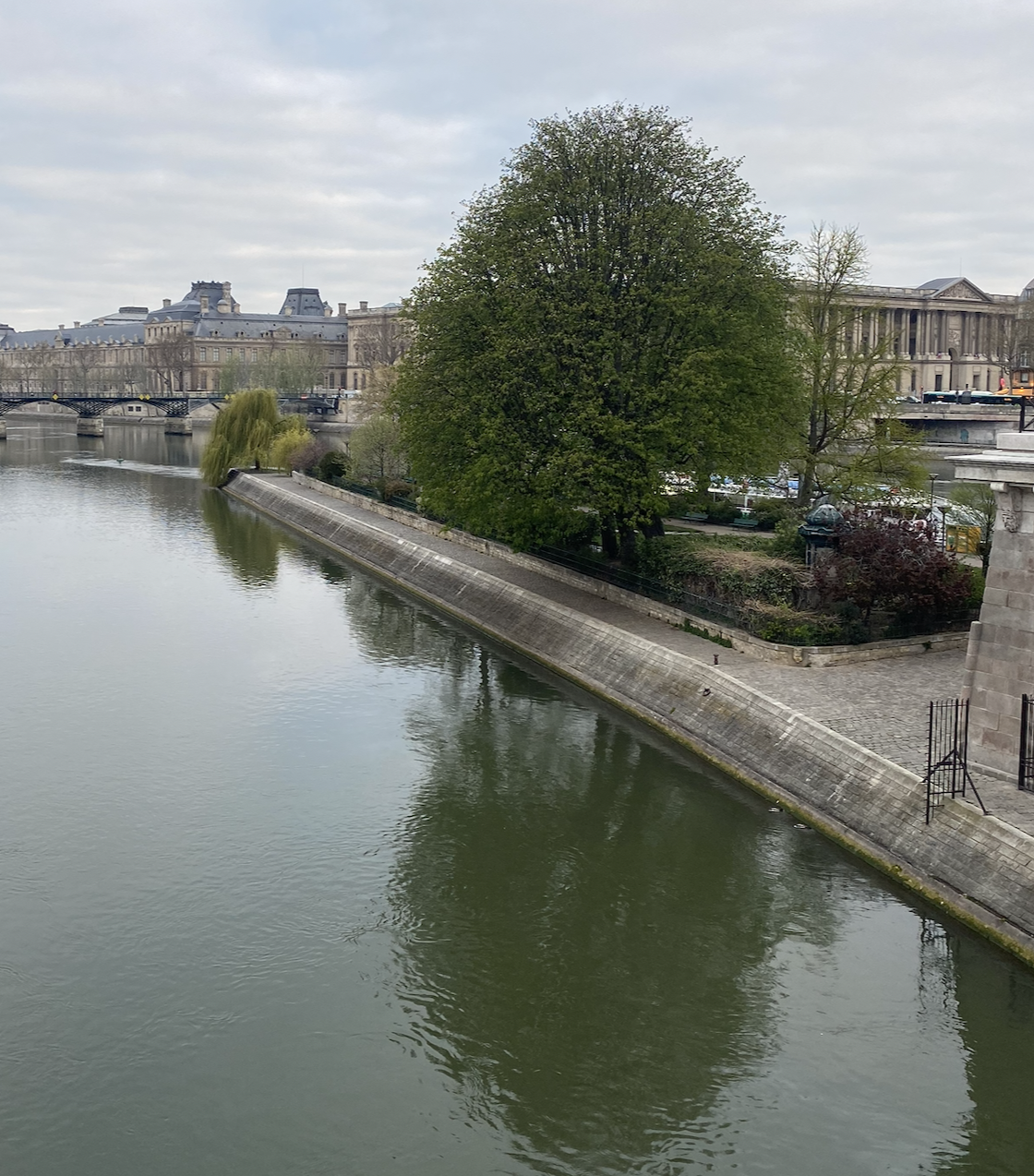
The square du Vert Galant was given the name in remembrance of Henri IV and his nickname, Vert Galant. Hot Legs, as you can imagine, had quite a way with the ladies. Everything you read about the nickname will say the nickname came from his many love affairs , “at his advanced age”. He died at 56.
I have also read and overheard many a tour guide say that Henri would take his ladies down there for a romantic rendezvous. I will note again that the park wasn’t created until 1888, 278 years after his death.
During the 17th and 18th centuries, the Seine had to be a lot cleaner than it is today. Every summer, men and women would climb down for a little swim on a hot day. Separated into their own areas, the men were able to dip and swim au naturale.
Under Haussmann and Napoleon III, the bridge, like much of Paris, went through another transformation. The stalls in the arcades were replaced with benches, turning the bridge into a park as well as a thoroughfare.
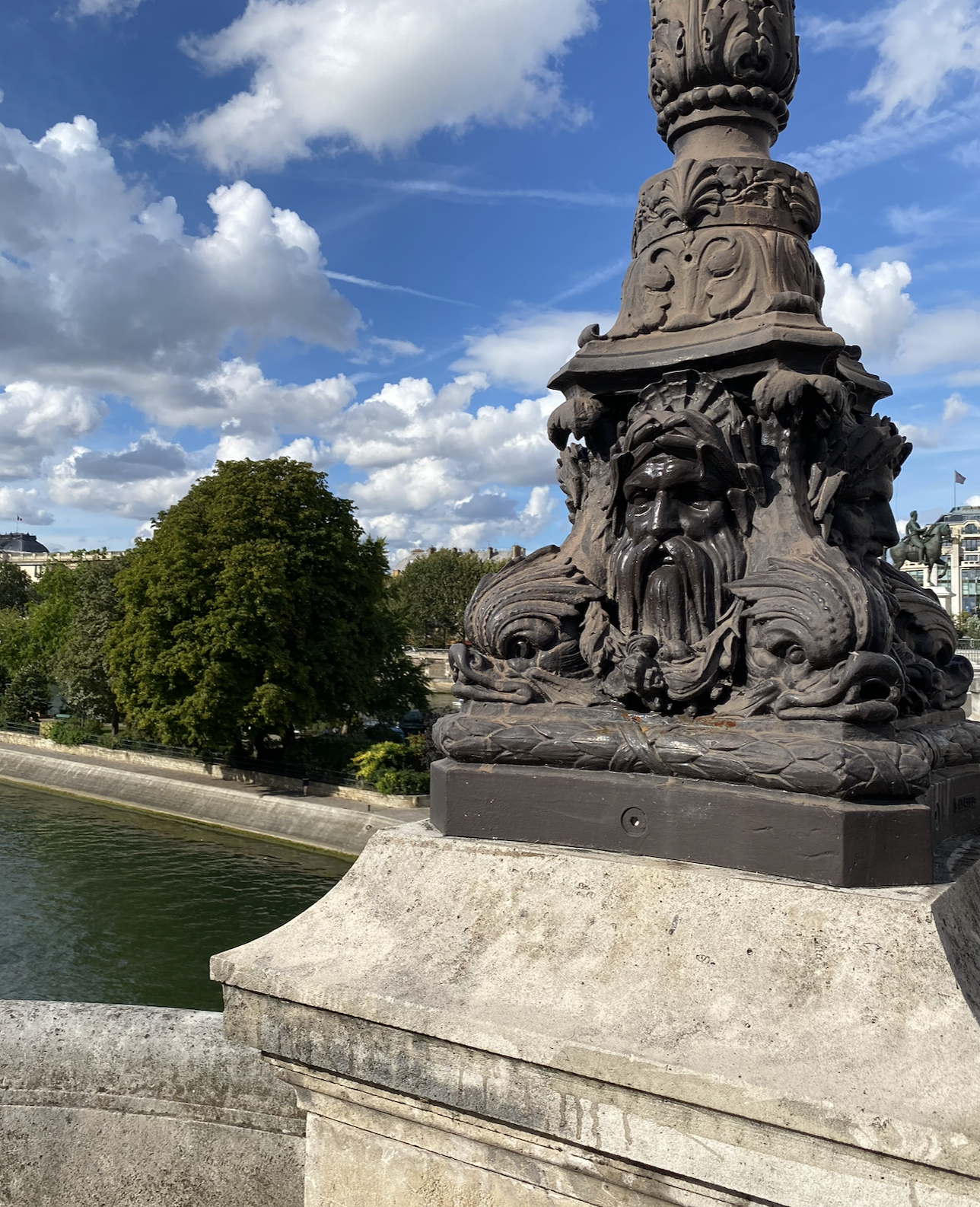
In the same period between 1853 and 1855, Victor Baltard, the creator of many of the street “furniture” around Paris, was tasked with creating the amazing lampposts that still line the bridge today. Designed in the memory of the Dauphin Louis XIII, the nautical theme cast iron posts included dolphins, tritons, and the heads of Neptune. They are gorgeous and so beautifully done.
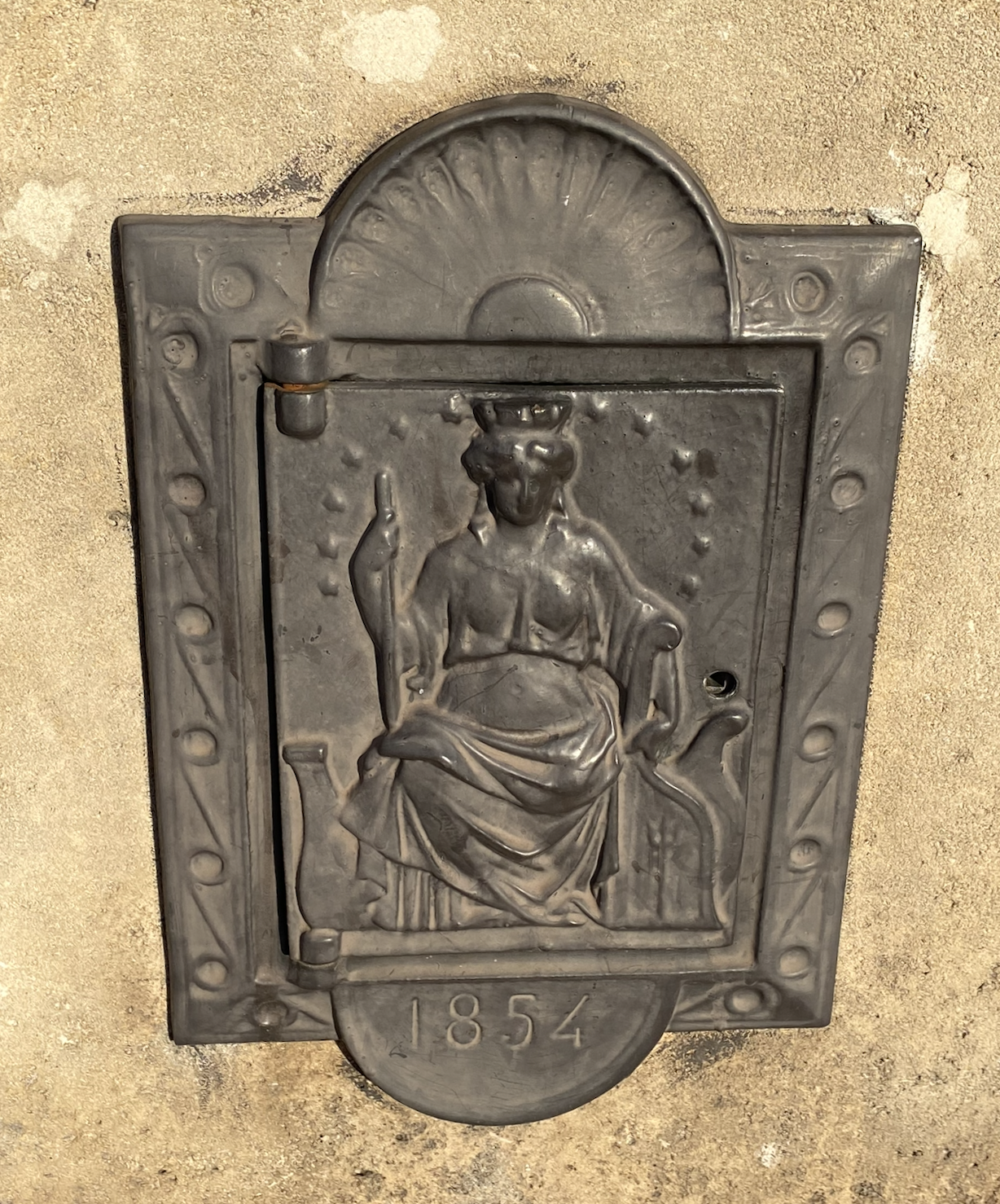
Below each lamppost, a cast-iron box inscribed with 1854 once held the gas valves that turned the lamps on and off, which had to be done by hand every day. I love that they leave these little reminders for us long after they fall out of use.
In 2018, the base and structure beneath the statue of Henri IV underwent another inspection, resulting in a restoration in 2021. New wrought-iron grills were added, and the metal grates were replaced with glass panels as a fight against the stupid locks. The walls below had shown cracks and fractured stones as well as a few of the mascarons in dire need of a facelift. Most of the work was finished by the start of 2024.
One thing long gone is the water pump built on the northwestern side of the bridge. The first water pump in central Paris was built under Henri IV in 1608 after the completion of the Pont Neuf, and was later known as the Samaritan pump. Given that name from the bronze bas relief that hung above Christ at the well of Jacob, and met the Samaritan woman who offered him a drink.
At the very top of the structure was an astronomical clock with a figure that came out to mark the hours, as well as the month, day, and year. Sadly, nothing remains, but there are a few paintings and even a model of the later design, made under Louis XIV by Robert de Cotte, with the relief of the Samaritan, though it no longer shows the clock.
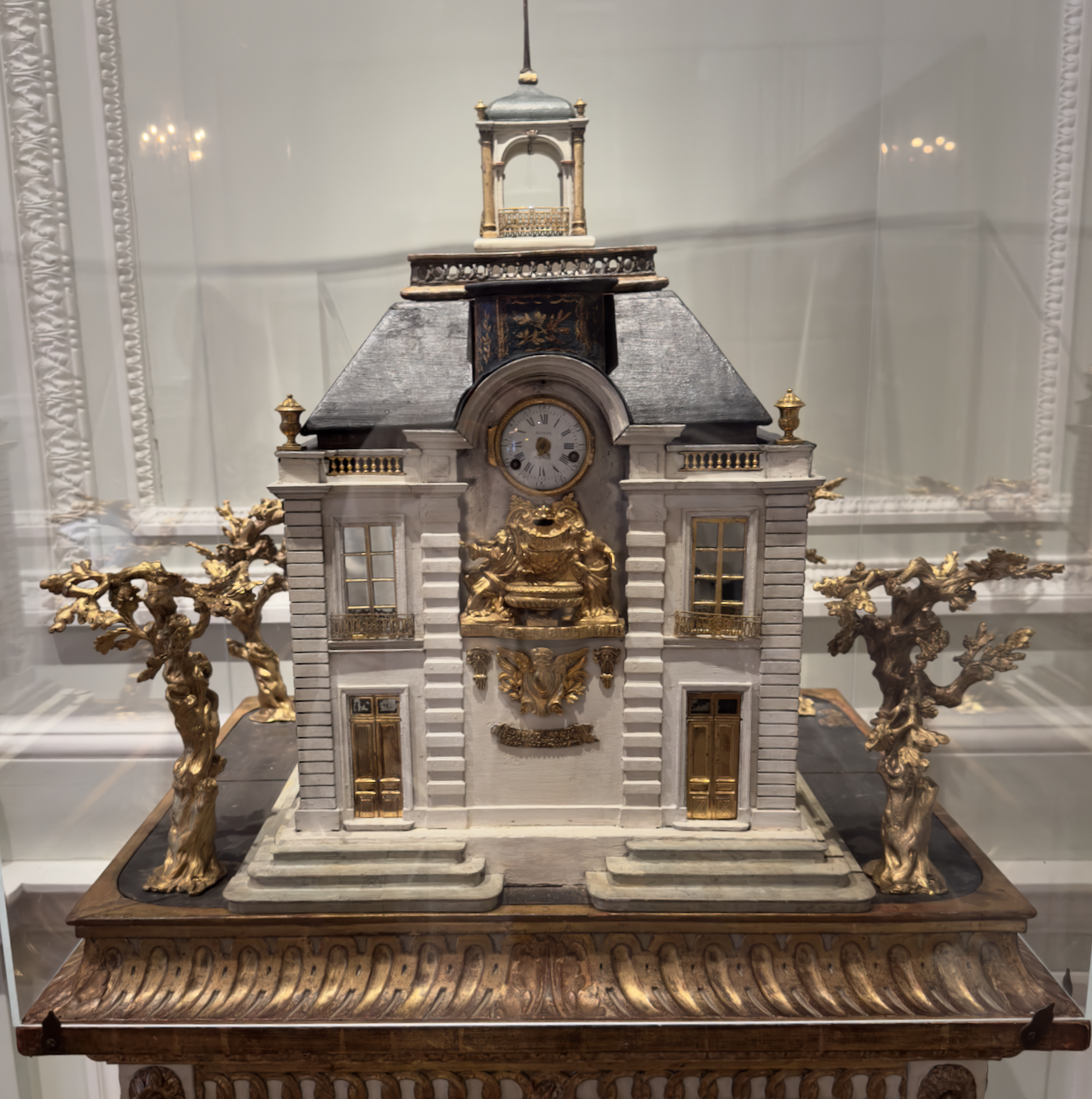
After Henri’s massive reconstruction and expansion of the Palais du Louvre and connection to the Palais des Tuileries, more water was needed, and the Samaritaine pump would do just that. It would be used until 1813, when it was destroyed under Napoleon, as it was no longer needed.
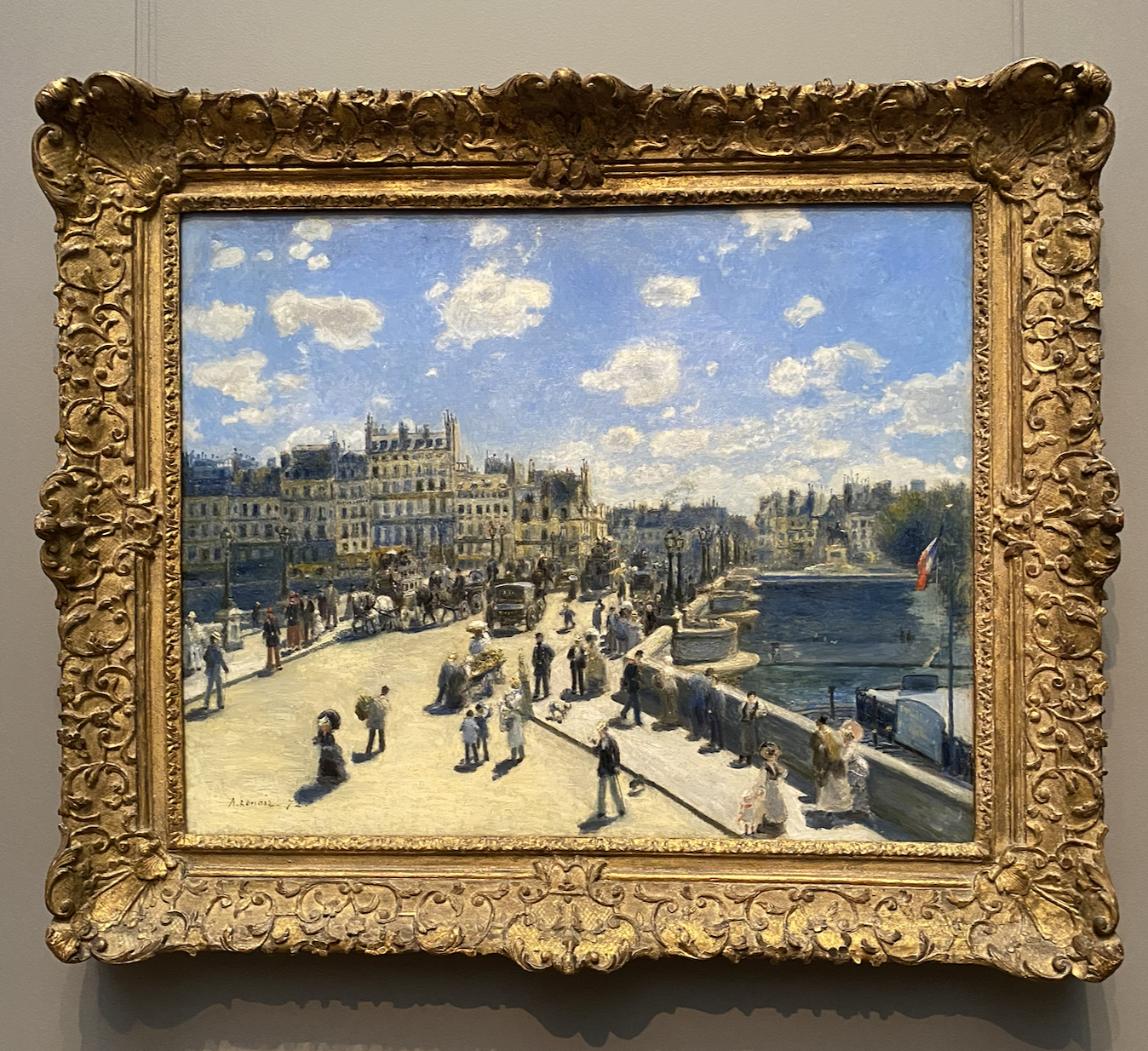
The bridge has inspired artists since its creation. Paintings can be found in the collections of the Louvre, the Musée d'Orsay, the Carnavalet Museum, and the National Gallery in Washington, DC. Everyone from Monet to Renoir captured the daily crossing of the Pont Neuf. A painting by Renoir in 1872 holds the modern life of Paris with carriages and women walking alone, a scandal. The country had barely survived the Siege in 1870 and the Commune in 1871 and was once again returning to normal. From a cafe window, Renoir painted it in a single day while directing his friends and family to repeatedly walk into traffic so he could capture the hectic scene. I think of this painting every single time I cross the bridge from the right bank.
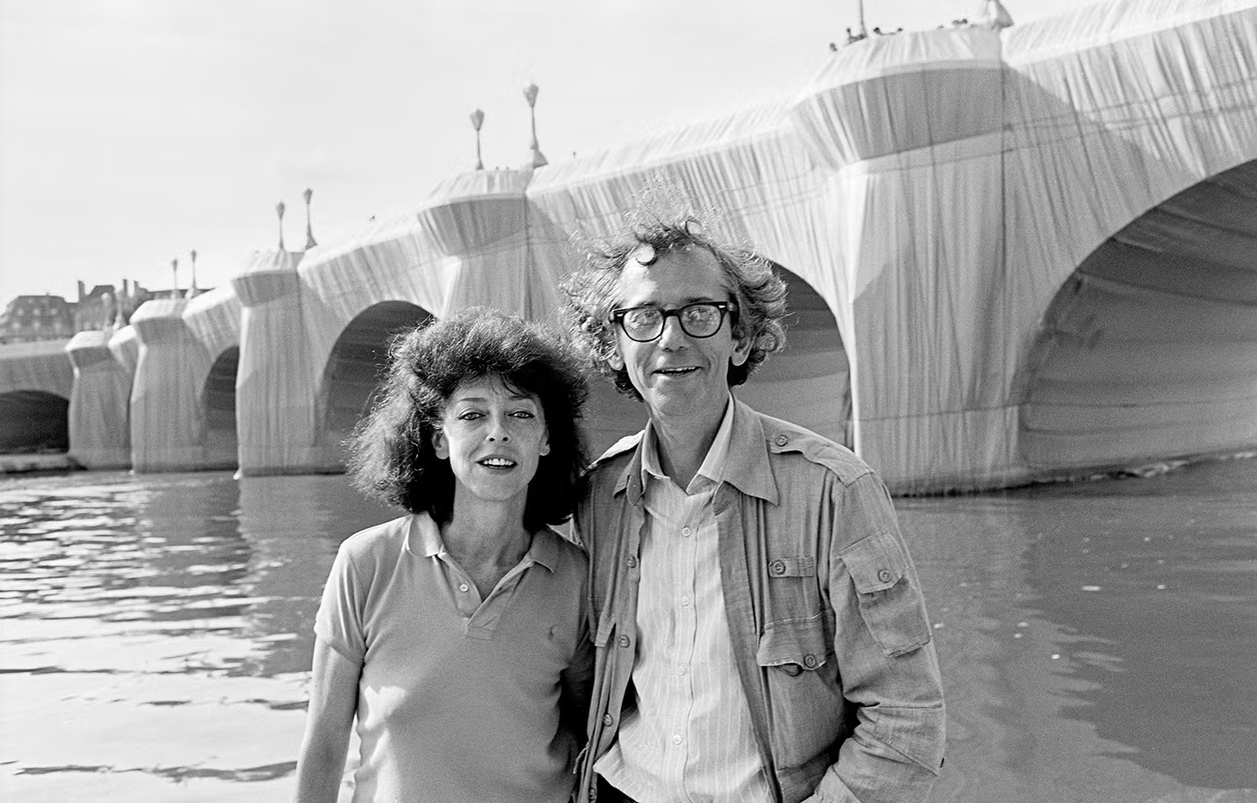
In 1985, a pair of contemporary artists took their turn, this time turning the bridge itself into a piece of art. Artists Christo and Jeanne Claude are well known for their art installations that include draping or wrapping structures in fabric. The two, both born on June 13, 1935, Christo in Bulgaria and Jeanne Claude in Morocco and met in Paris in 1958. It was love at first sight, and the couple would spend the rest of their lives creating art all over the world.
The idea to wrap the Pont Neuf in fabric began in 1975. It took ten years to convince the city of Paris, and in the end, from September 22 to October 7, 1985, the northern arm was wrapped in 440,000 sq ft of “Pierre de Paris” colored nylon canvas. Every element of the northern arm was wrapped, including the Baltard lampposts. It was held in place by 429,000 feet of nylon rope and 13 tons of steel chain. The project was self-funded by the artists and cost more than 10 million francs.
On September 22, 2025, the Place du Pont Neuf, the home of Henri IV, was renamed the Place du Pont Neuf - Christo et Jeanne Claude to mark the 40th anniversary of the event.
That same year, another project was to encase the Pont Neuf once again, but had to be rescheduled to this year.
The Caverne du Pont Neuf, created by French artist JR, is a homage to Christo and Jeanne Claude. The couple's nephew, Vladimir Yavachev, approached JR in 2023 with an idea. JR had met Christo through Vladimir in the last years of his life and shared a love for large-scale art installations.
As one of the keepers of the flame of Christo & Jeanne Claude, Vladimir wanted to mark the anniversary of one of their greatest works. This time it wouldn’t take ten years to convince the mayor of Paris; it took only a few months. Again, the project would be self-funded by JR through the sale of his framed art and private donations.
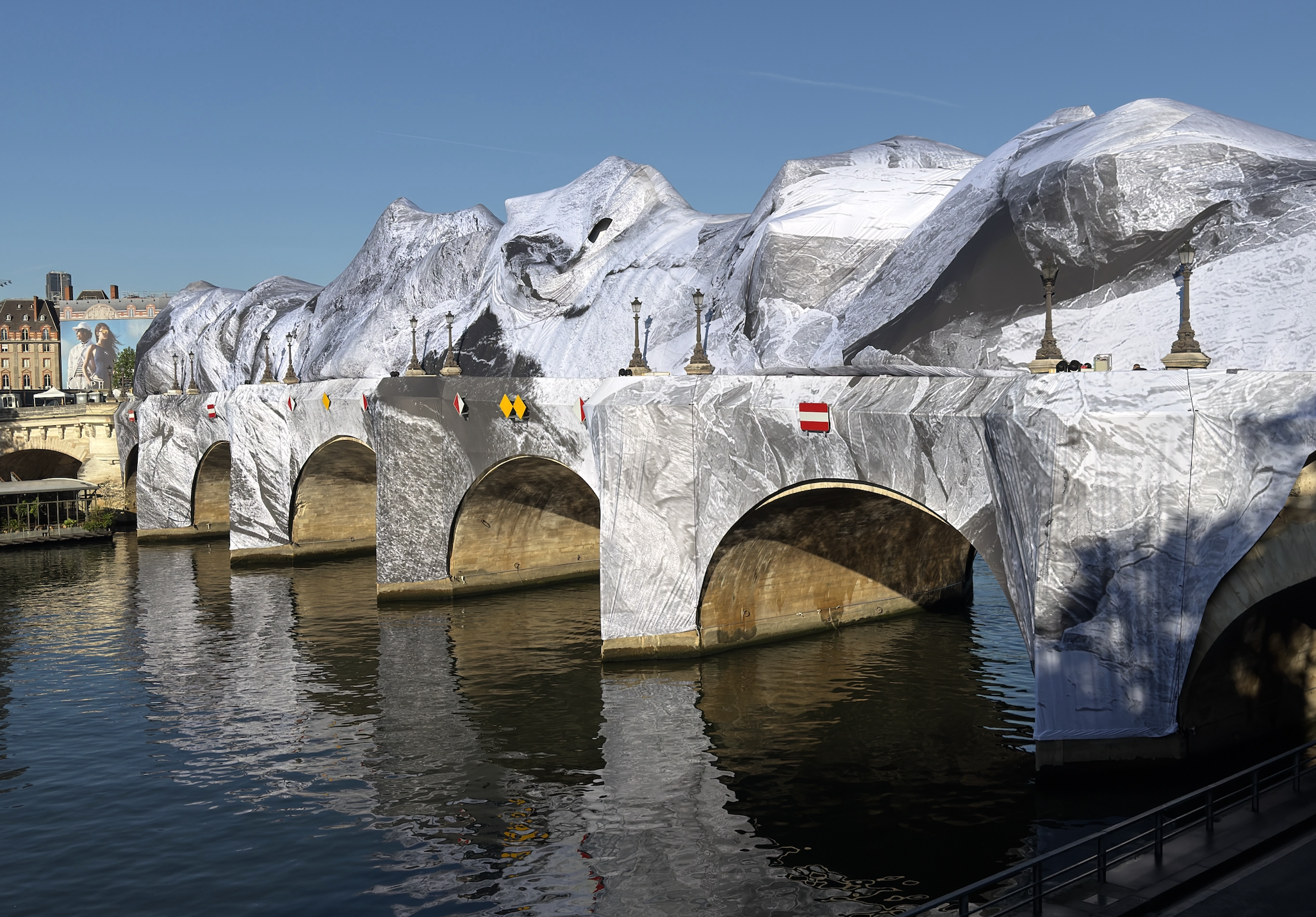
JR has imagined a mountain inspired by the quarries where the stone was found to build the bridge in the 16th century. Visiting and photographed the limestone quarries and stone caves in Greece. For months, he brought the vision to life in his studio, creating the design that would later be printed and constructed by the Air Toiles Concept, which would print and sew more than 203,437 square feet of nylon in Brittany.
After four months of manufacturing, including ten large inflatable pieces that form the structure of the 80 peaks of the cave, as well as the interior structure that will include an interactive experience involving sound and scents. JR worked with Daft Punk artist Thomas Bangalter on the interior, which promises to be amazing. It was to open on June 6 for 22 days and could hold 700 visitors at once.
On May 11, the installation began, and it was very exciting to visit each day as the project was born before our eyes. Boats in the Seine would anchor down the printed tarps tightly with rope; there is no attaching or drilling anything into the historic structure. As the sun set on May 20, the inflatable structure began to rise from the bridge, forming the cave. It appeared that the Alps had been moved into the very center of Paris. From the Pont des Arts, on a clear, sunny morning, it’s an incredible thing to see.
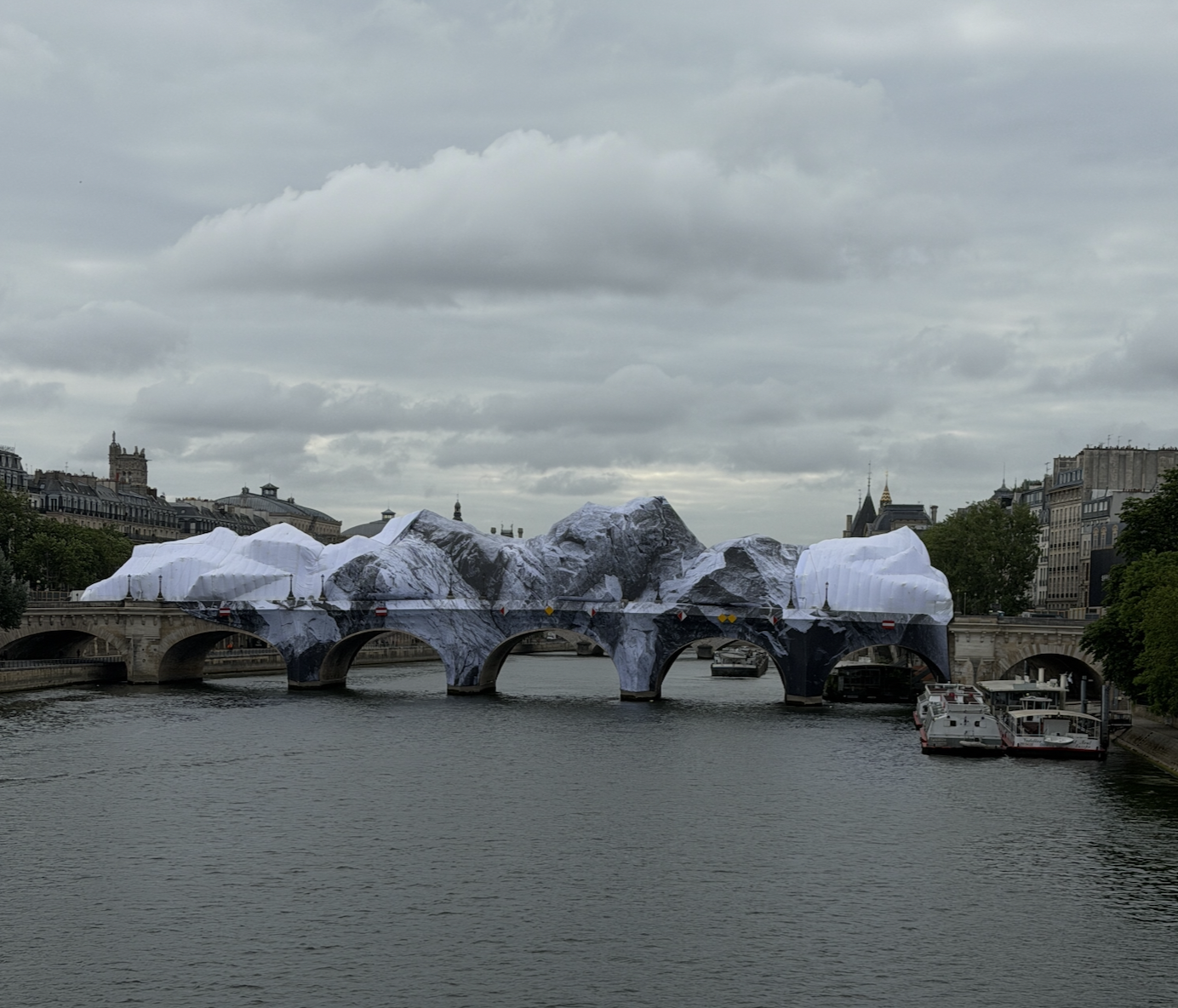
June 4, 2026
Sadly, on June 2, after a week of high temperatures, part of the printed cover was ripped in a few minutes by the high winds of a brief storm, followed by a pelting of rain and hail. It was just four days before it was to open to the public. The opening has been delayed while they repair the structure, and we are waiting for news that we can visit the inside. It will be open 24/7 until June 28th, when they will need to begin taking it down to reopen the bridge.
I love the installation, and I also love the message JR conveys in each of his creations. Photos online do not do it justice; it really needs to be seen in person.
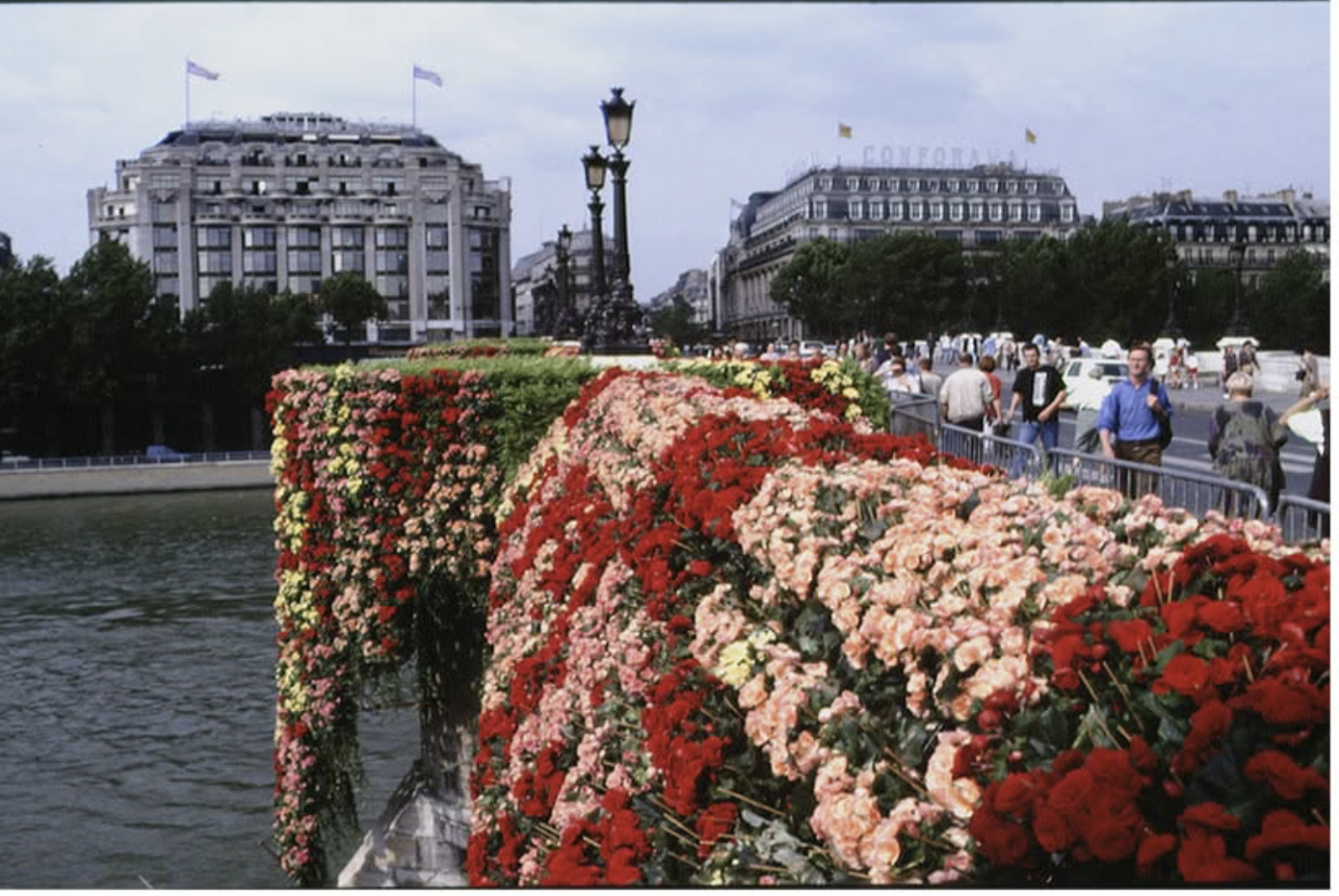
On June 21, 1994, fashion designer Kenzo Takada covered the entire western downstream side of the bridge in potted flowers for the launch of his new perfume “Flowers”. 32,000 potted begonias and 42,000 ivy plants cascaded over the railings, adding a lovely scent to the air in the center of Paris. At the end, plants were given away to passersby. I hope JR incorporates that scent into the experience. I will keep you posted.
Pont Neuf wasn’t just the “new bridge,” it was so much more. Sure, it was the first in stone, without houses, the widest and the longest, and the first to have sidewalks in Europe. It was also the first celebrity monument in Paris. People traveled from all over Europe to see it, including Peter the Great. In 1717, Peter arrived in Paris after visiting Amsterdam to collect books, check in on Madame de Maintenon after the death of Louis XIV, and see Pont Neuf for himself.
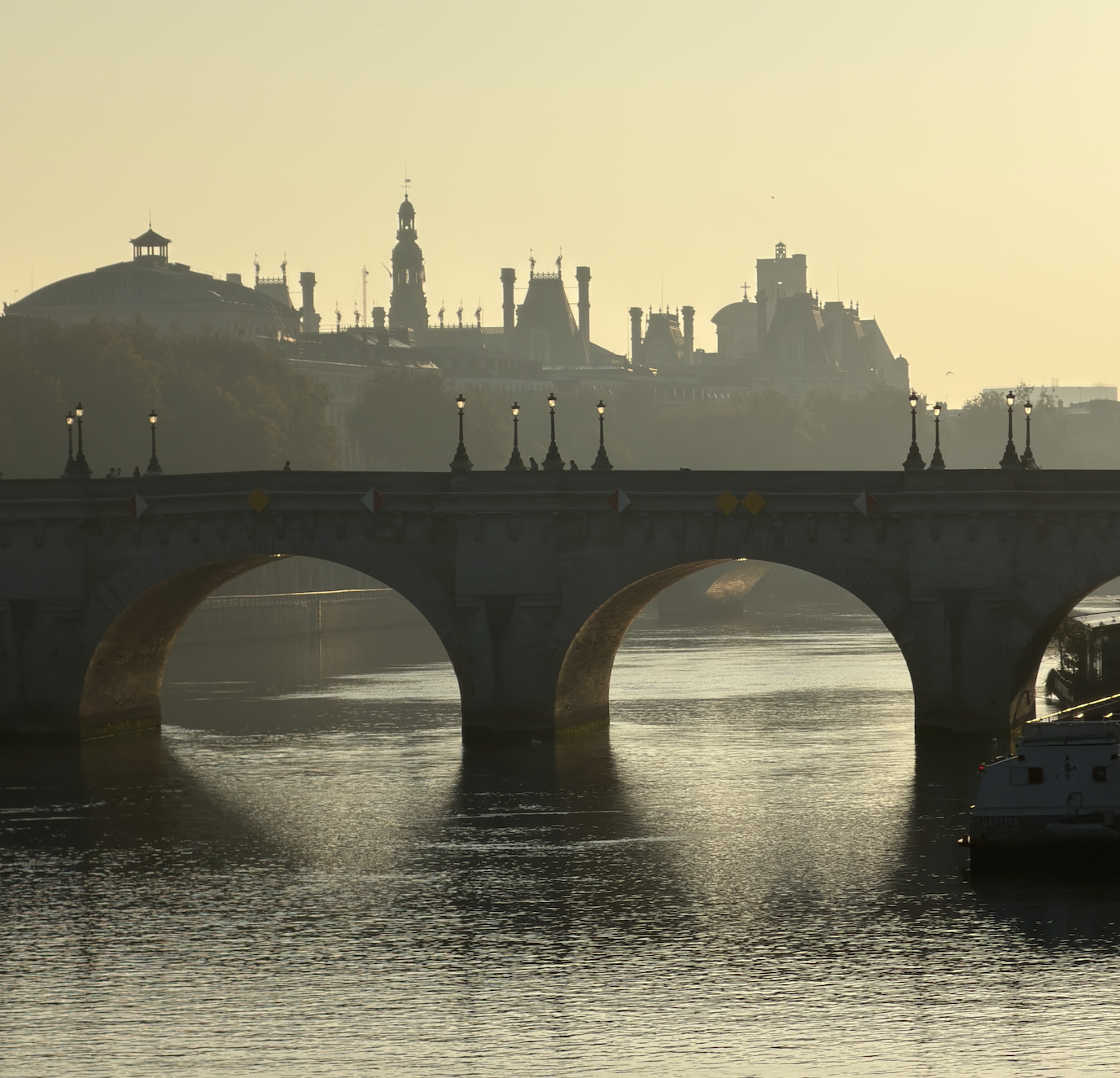
While people today line up to view Paris from the Eiffel Tower, in the 17th and 18th centuries, the first place people wanted to see was the Pont Neuf. Long before people bought cheap Eiffel Tower keychains that went home with paintings of the Pont Neuf, brass-and-stone miniatures, and hand fans painted with the bridge's image. The bridge ushered in the new modern age and the birth of the great city we know today.