
In September 1792, over five nights, thieves broke into the Garde-Meuble and stole hundreds of France's Crown Jewels. There is, of course, what is deemed the “Heist of the Century” that hit the Musée du Louvre on October 19, 2025, but that one pales in comparison to the theft of 1792.
The royal family of Louis XVI and Marie Antoinette were hunted down within the walls of Versailles on October 5, 1789, and brought to Paris. Taken from one lap of luxury to another, the first two years equated to house arrest within the Palais des Tuileries, with one big difference: they weren’t allowed to adorn themselves in jewels.
Many stories from the last hundred years depict a panicked Marie Antoinette packing away her diamonds and being sent around Europe to family members or taken by trusty aides to London. Most of those stories were recreated to sell items that come up at auction to drive up the price. Just read the fine print, where it will usually say, “these items MIGHT have been owned by the Queen”. There are a few accounts of jewels passed to her daughter, Madame Royale, through family in Austria, but she is, like the Mona Lisa: Marie Antoinette ranks up there in the ultimate clickbait.
The Crown Jewels were owned by the State, and the king or queen could redesign the settings and wear them, but they never belonged to them. While we called the jewels stolen last October the “Crown Jewels”, only one of the 8 pieces can actually be considered a crown jewel, the Reliquary Brooch of Empress Eugenie, because it included two of the Mazarin diamonds.
The jewels were also kept locked away until they were used; sadly, the fantasy of the queen rolling around in piles of diamonds and dripping in jewels wouldn’t have happened. After the 1789 demise of the royal couple, the massive collection was moved to the Garde Meuble in the center of Paris and locked away.
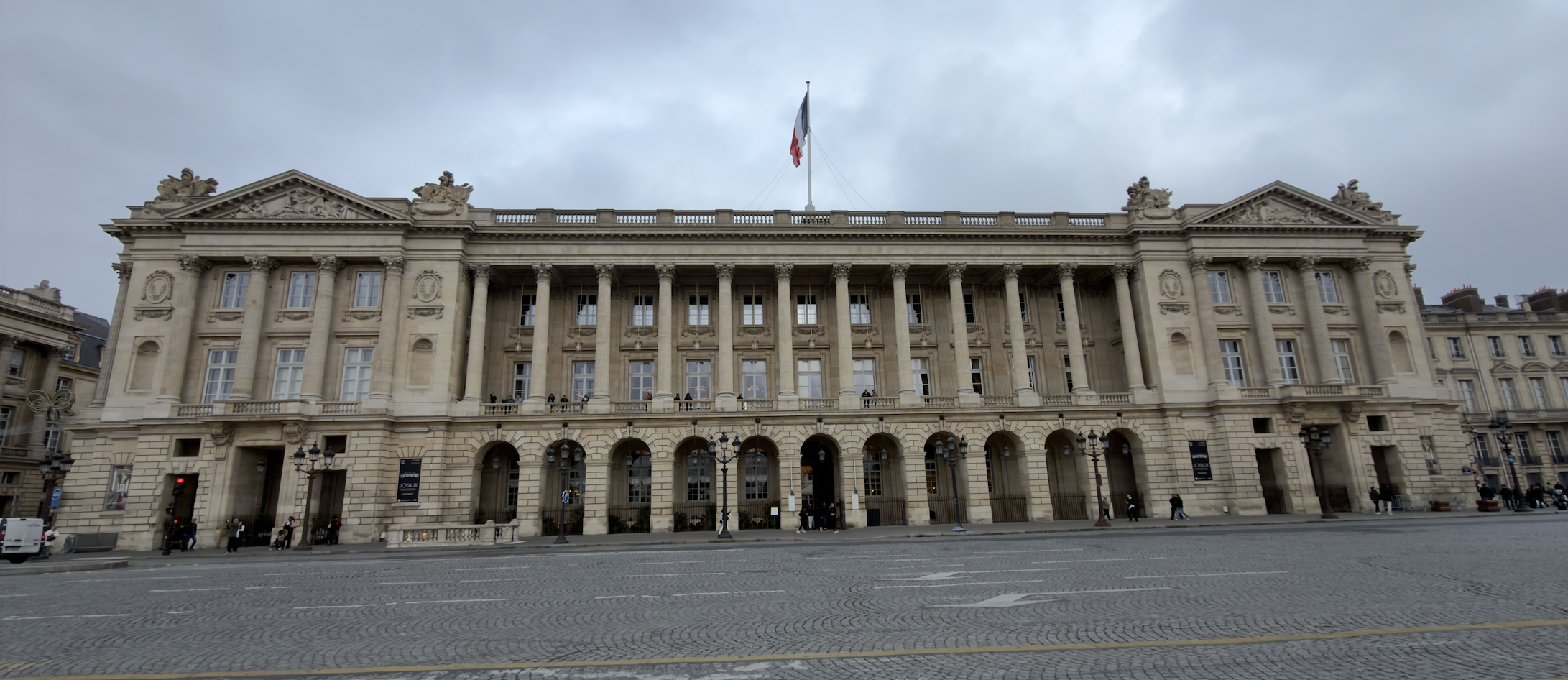
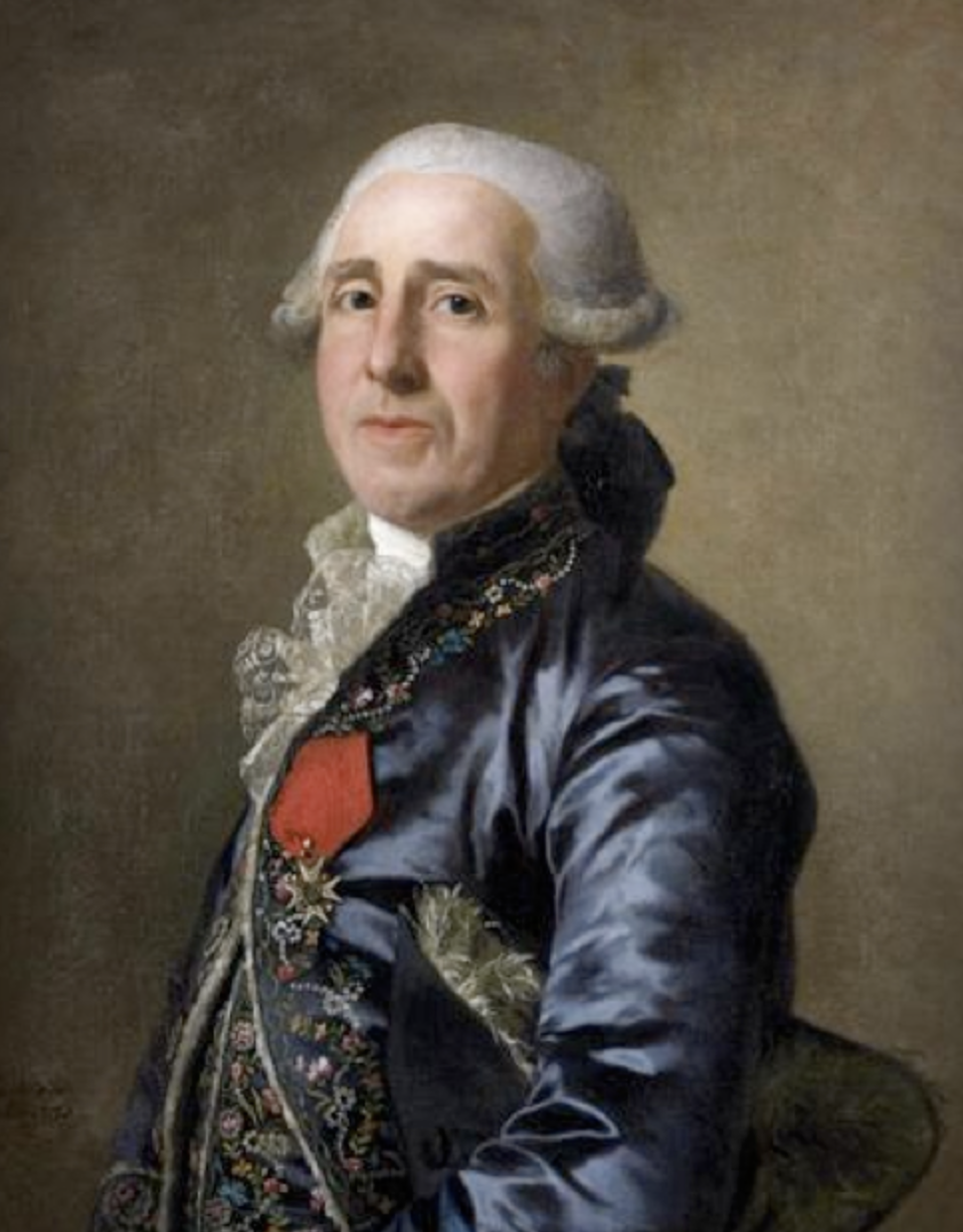
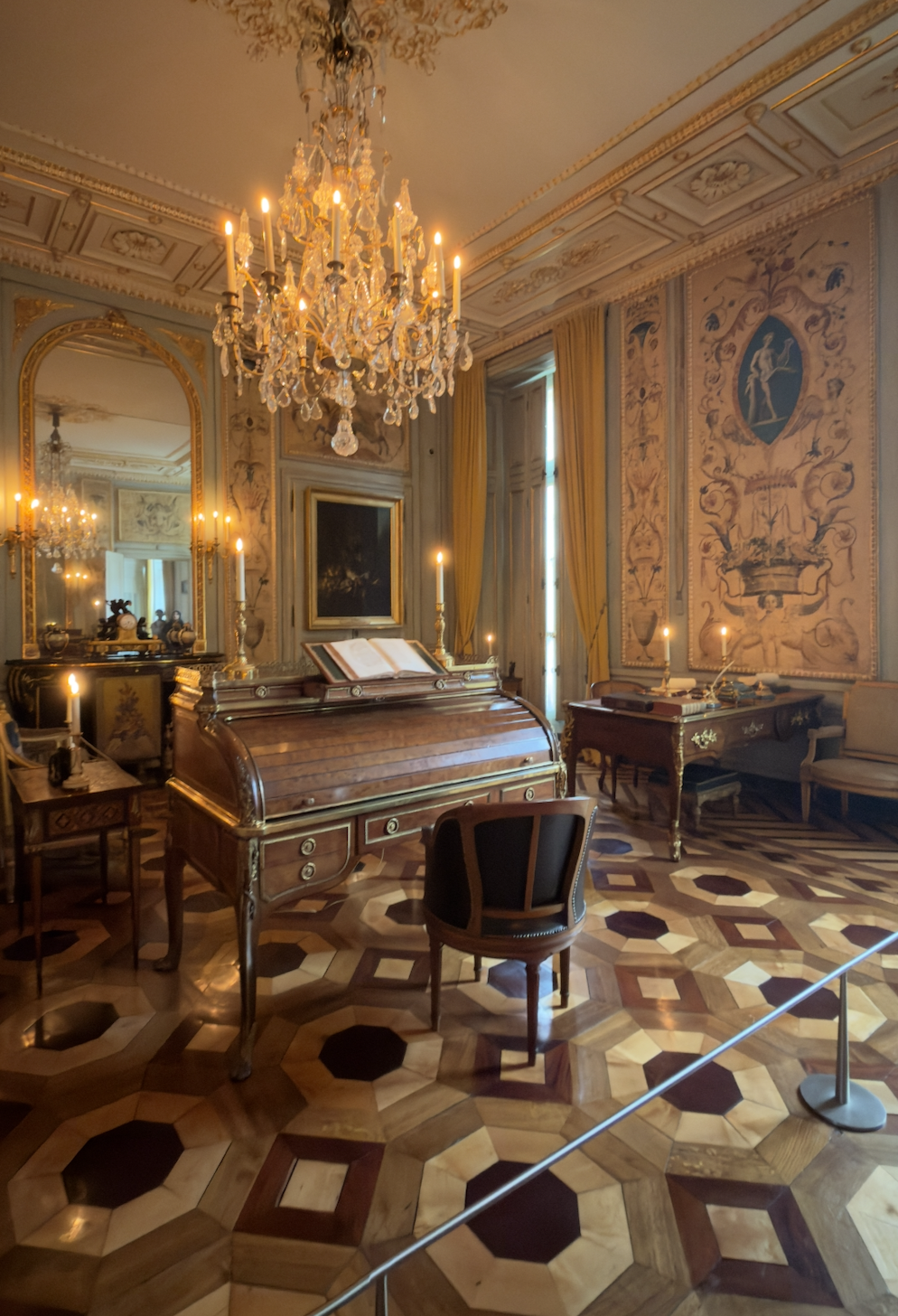
The Garde Meuble, on the edge of the Place de la Concorde, held state furniture used in many palaces and official buildings and was overseen by Marc Anthony Thierry de Vielle d’Avray. The once valet to the king and the mayor of the town of Versailles was named in 1783 as the intendant of the king’s household, overseeing the garde meuble of the crown. A job that not only managed the collection of furniture but also gave him the power to commission and order furniture that would fill the royal structures. A position that came with great wealth.
The imposing structure built under Louis XV on the northern edge of the Place de la Concorde was created by Ange-Jacques Gabriel in 1753. Two matching buildings on either side of the Rue Royale. On the west, the Hôtel Crillon and the Automobile Club of France, and the building to the east, built for the function of holding the collection of the crown.
It was far from a warehouse when it was finished in 1777. It featured lavish rooms where the intendant also lived. Once a month, the doors opened to the public, a fact they may later regret. On the first Tuesday of each month from 9 am to 1 pm visitors could wander through and see the great tapestries, furniture, and even the crown jewels.
After the crowds attacked the Château de Versailles on October 5, 1789, the keepers of the crown goods were on high alert. Even the mere representation of items that belonged to the monarchy became an even bigger lightning rod for controversy. The first attack came the day before the Storming of the Bastille. Rioters looking for weapons were diverted away from the rooms that held the most valuable treasures, the swords and even a cannon that belonged to Louis XIV.
After the royal family's attempted escape, known as the Flight to Varennes on June 21, many thought Marie Antoinette had taken jewels, precious items, and gold to help pay for their escape and to keep for her own use. (She was blamed for everything). The convention set a decree that the garde-meuble and the entire royal collection needed to be inventoried. Thinking they would catch her red-handed.
At 9 am on June 25, deputy Jean-Marie Bion, along with goldsmiths and jewelers, began the massive task of inventorying the entire collection. A project that took until August 3. Most of the jewels were loose and kept in large satin-lined, glass-topped boxes. The number of gems was at least 10,000 and included diamonds, emeralds, rubies, sapphires, pearls, topaz, garnets, and amethysts. There were, of course, collections that included the Golden Fleece of Louis XV and a diamond-covered Order of the Holy Spirit, as well as swords that belonged to Louis XV and XVI.
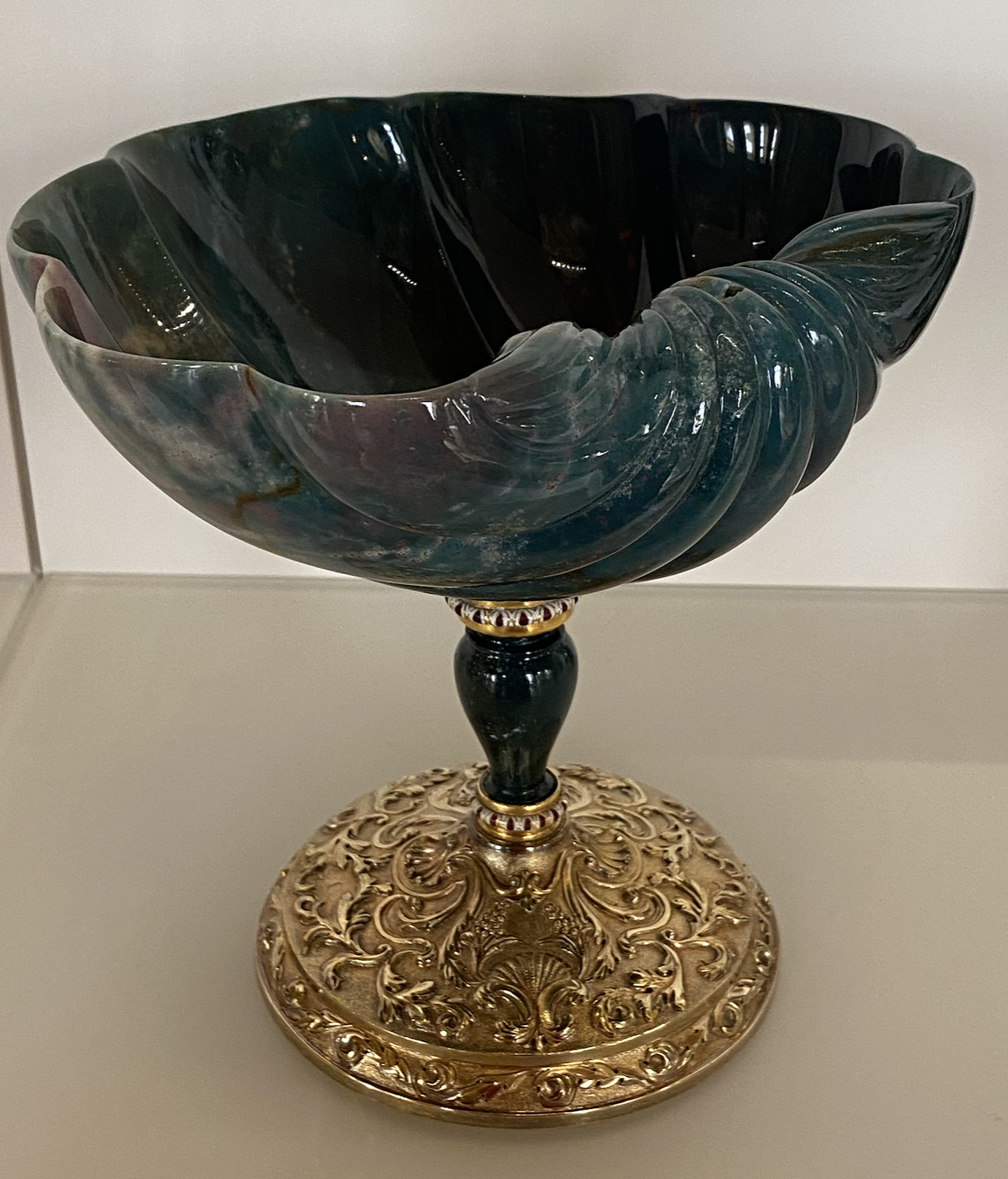
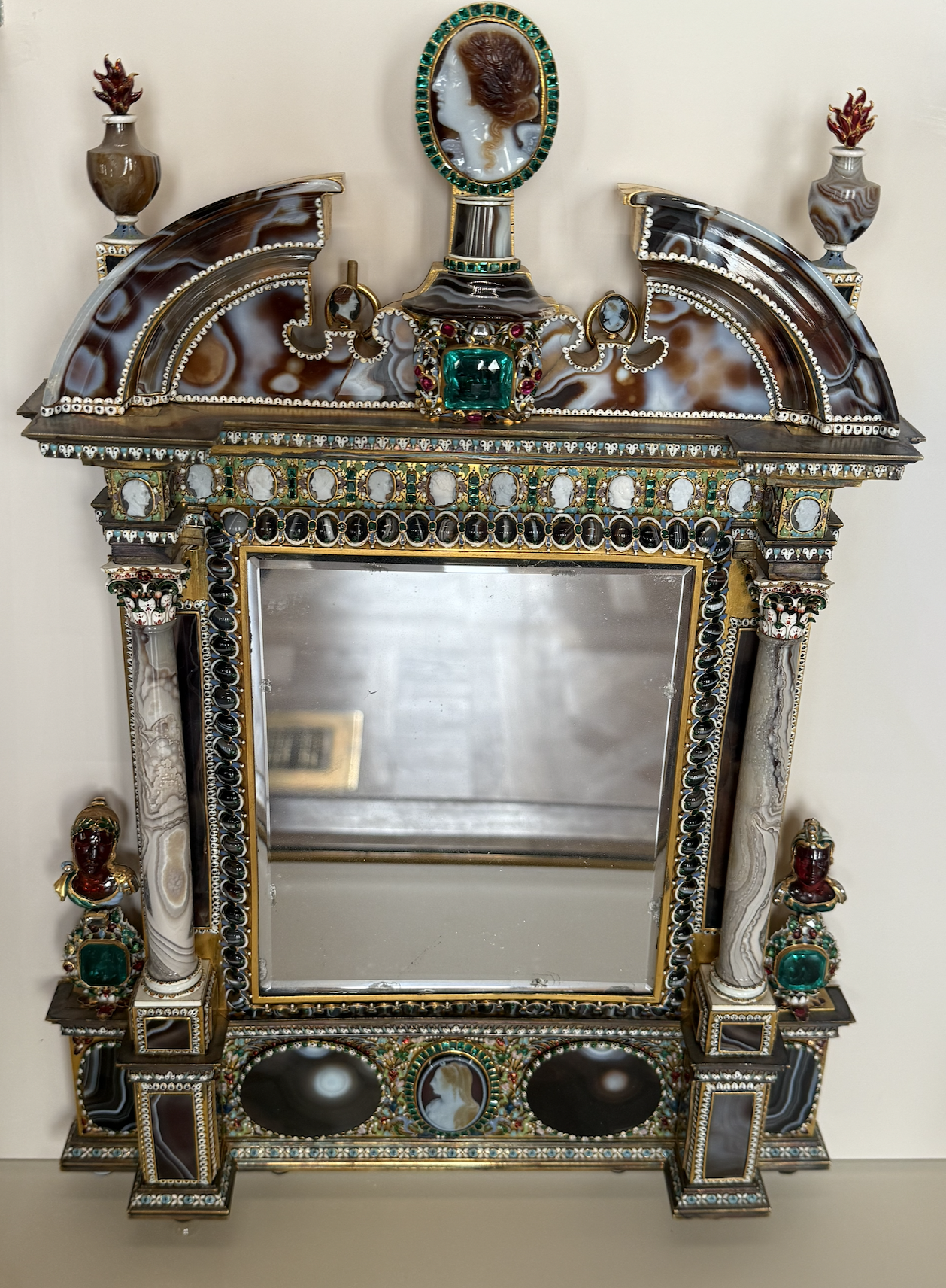
Along with the jewels, the precious vases known as the hard stone vessels and crystal were also counted. Until the theft of the jewels in October 2025, many of these gorgeous pieces were held in the Galerie d’Apollon. More than 500 objects made from lapis lazuli, jasper, amber, jade, garnet, and many others were mounted with pearls, diamonds, rubies, and emeralds. Created in the 16th and 17th centuries, most of them were owned by Cardinal Mazarin and left to Louis XIV after his death.
The collection of jewels and precious vases was astronomically valuable and the greatest in all of Europe at the time. These items were put on display once a week for the people to wander in and even case the joint.
In the months before the theft, Thierry de Ville-d’Avray was the man holding down the job, and following the demise of the royal couple, he remained in his role. His position included an apartment within the Garde Meuble, his office has been recreated in the Hotel de la Marine. On June 20, 1792, two months before the theft, he had taken all the jewels and hid them at the end of a forgotten corridor where they remained for a month. (They should have kept them there)
Thierry wouldn’t live to see the theft of the jewels. He was killed in the September Massacre in the Abbey Prison on September 2.
It was in another prison, La Force, where the plan to steal the jewels was formed and the brainchild of career criminal Paul Miette. It was at the time of the massacre on the other side of the Seine that he found his freedom.
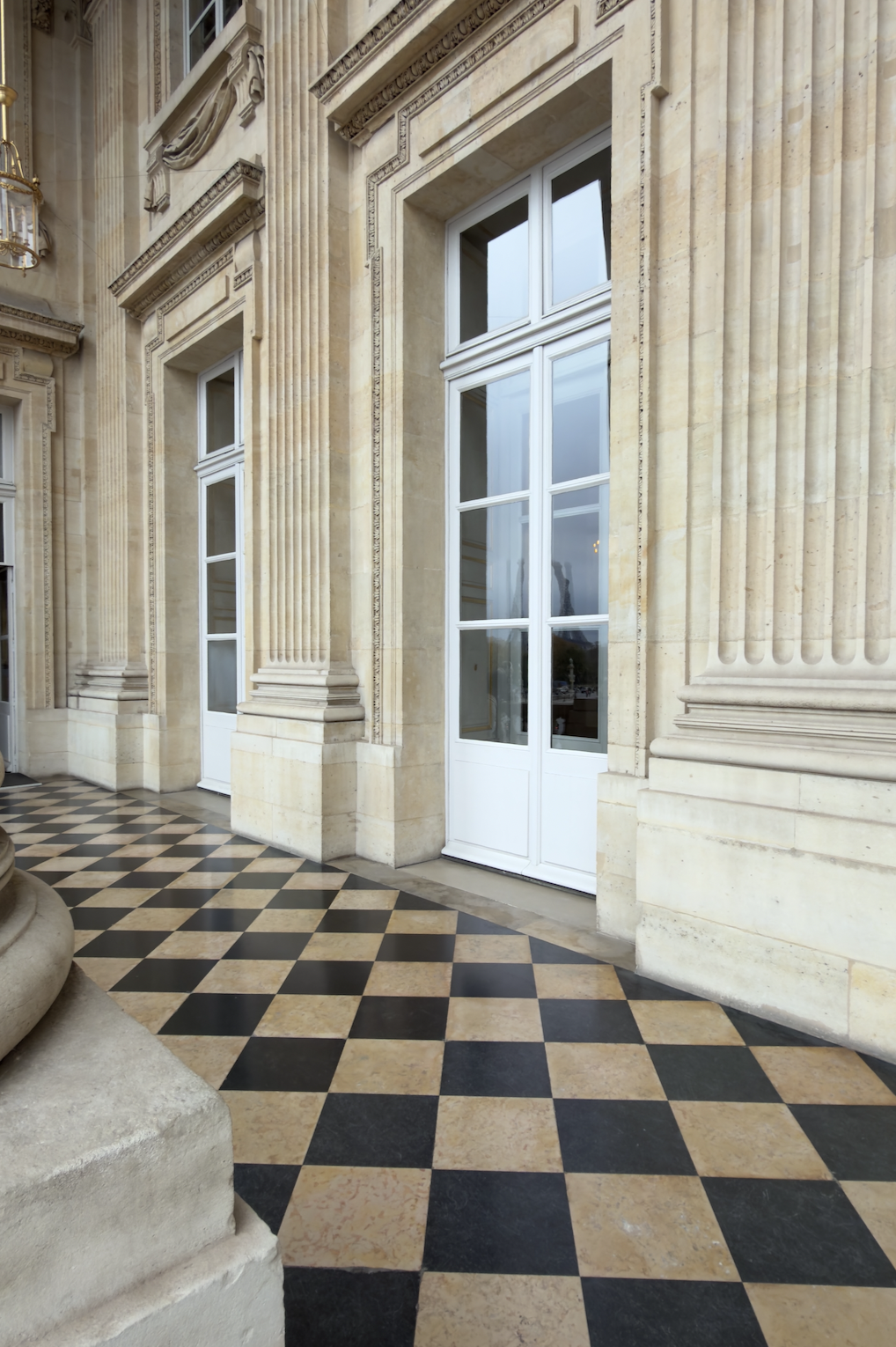
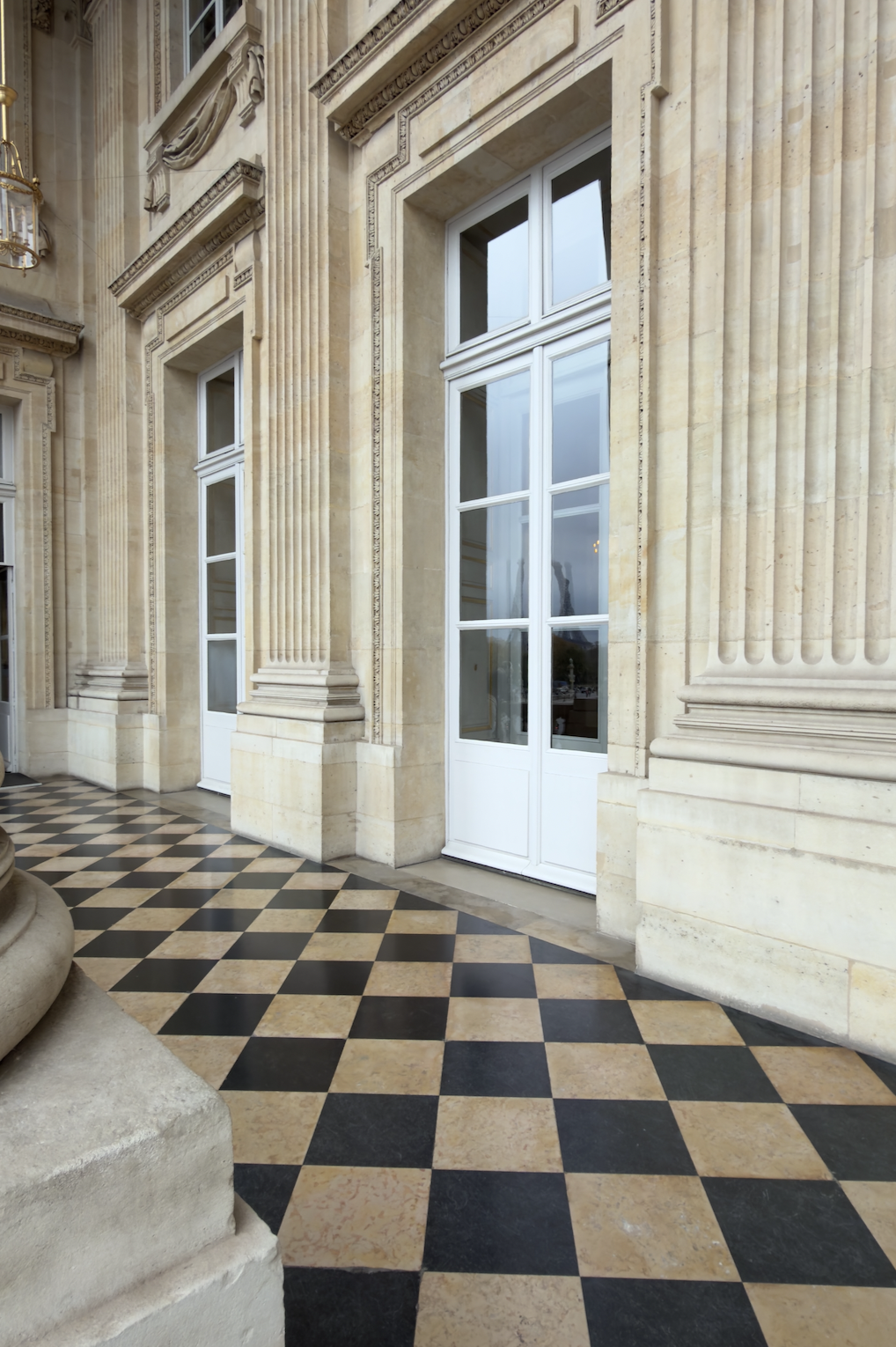
Security at the time was pretty lax; well, not much better these days either, but back to 1792. The jewels were kept in a room near the loggia entrance, just above the street. The windows and doors had been sealed shut, and you guessed it, no bars on the windows.
Artist Jean Bernard Restout replaced Thierry after his death and immediately focused on security. The building had two entrances: one on the Place de la Concorde and the other on Rue Saint Florentin, which the staff used. Restout complained to the Minister of the Interior, Jean-Marie Roland, about a lack of guards and the entrance frequently left unguarded. Roland told him to submit a report anytime he found the door without a guard; Restout responded that would fill his entire day if he had to do that. Many of the rooms had been sealed shut for protection and had no need to be covered by security guards.
On the evening of September 11, 1792, just after 11 pm, Paul Miette and his merry gang of thieves descended into the center of the city. In the dark of night, two groups totaling 26 people split between those standing guard below and those who entered the building.
The thieves dressed as guards, and at the start, six of the men, including Paul Miette, climbed the facade below the loggia door. The lampposts were much closer to the building at the time, and they used a rope to help them enter quickly. Once they were on the loggia, they cut into the glass with a glazier's diamond blade. With a small saw, they then cut a square hole into the wood blind, allowing them to reach the handle and easily open the window. The windows were without iron bars, and security hadn’t been concerned since they believed the rooms were sealed shut.
It was very easy since Miette had been visiting for a few months, noting every detail of the room, cases, and more importantly, the windows. Once inside, the dozen or so thieves grabbed some of the biggest items. The sword of Louis XVI, covered in diamonds, a bag of loose diamonds, and full parures of diamonds as well as colored stones.
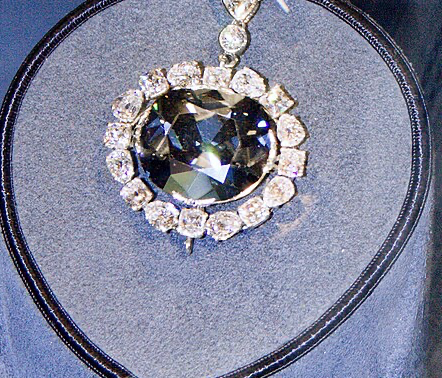
One of the most notable items stolen that night was an insignia known as the Golden Fleece. The Order of the Golden Fleece was a distinguished title that first started in 1430 with the Duc de Bourgogne. Louis XIV took it up a notch when he had a larger emblem created in diamonds and colored stones, including one of the original Crown Jewels that dates back to Francois I, the Cote de Bretagne a raspberry red spinel stone cut into a dragon and a blue diamond, known as the Tavernier Blue. Some say that blue diamond is cursed. However, the thieves knew what they were doing, as the value of that piece alone was incredible.
That night, they also grabbed strings of pearls of all sizes, diamond shoe buckles, and a dozen gold watches.
A few of the thieves had traveled from Rouen to Paris the day before, Including Cadet Guillot, known as Lordonner, a rather crafty crook, and brought three of his friends with him. It was Guillot who took the Golden Fleece and the most important pieces and left the next morning to return to Rouen, with the jewels in hand.
The next day, the thieves met back in Paris, divided the jewels, and remarked on how easy the theft had been. Not a single guard was spotted inside or outside of the building.
They decided to return the next evening. Just before midnight on September 13, with a few more thieves in tow, they followed the same route, up the facade, into the window, and then broke a large chest that held many of the largest stones, including one of the most important of all, the Regent diamond.
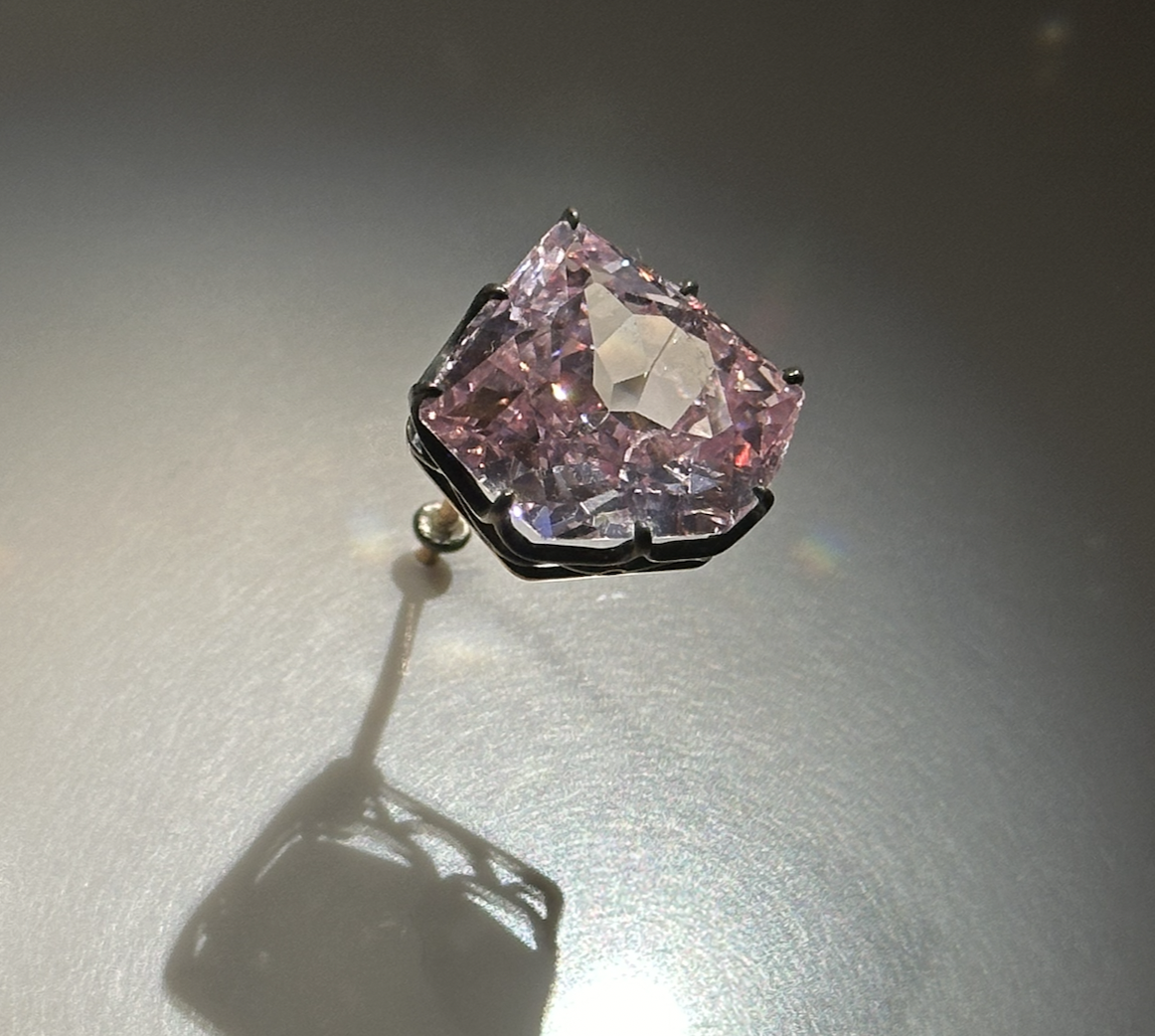
The 140.64-carat, slightly blue green water Regent diamond dates back to Philippe d’Orléans, the Regent of Louis XV, and was first worn by the king in 1721, when he was just 11 years old. Other diamonds stolen that day include the Sancy, De Guise, and the large table-cut Mirror of Portugal diamond. The peach blossom pink diamond, and the five-sided pink diamond later called the Hortensia, and the historic Mazarin diamonds, along with a dozen other large stones.
It was becoming easier and easier, and word was spreading through the thieving underworld, and they returned once again on the evening of the 15th. During the day, a few members would visit the area but never saw any police or evidence that their crime had been uncovered.
In the early hours of September 16, many of the thieves met on the banks of the Seine below the Palais Bourbon after they left the scene of the crime. In the dark, they split up the jewels but were startled by two walkers and fled quickly, leaving a box behind. The gentlemen, known as Le Blond and Le Leu, noticed the box and grabbed it. Inside, they found two yellow diamonds, one clear, and seven large pearls, as well as a few others scattered in the dirt. Unsure if they were real or worth anything, they took the box the next day to the Vitard goldsmith on the Pont Saint Michel.
Vitard found the discovery strange and alarming, and told them to go to the nearby police station and speak with Commissioner Pierre Nicolas Letellier . The whole gang headed back to the place of discovery and, in the light of day, found a few rubies cast aside. Between the location and what they found, Letellier took the gems to the Garde Meuble and spoke with the head guard. Quickly dismissing the idea that the gems could have come from there, he told him that the doors had been sealed. Letellier convinced him to double-check, and they found the doors had, in fact, been sealed.
Everyone but the commissioner believed they had come from the Tuileries and been stolen on August 10, 1792. Letellier alerted the other goldsmiths and jewelers in Paris to watch for any unknown or suspicious jewels, especially larger ones.
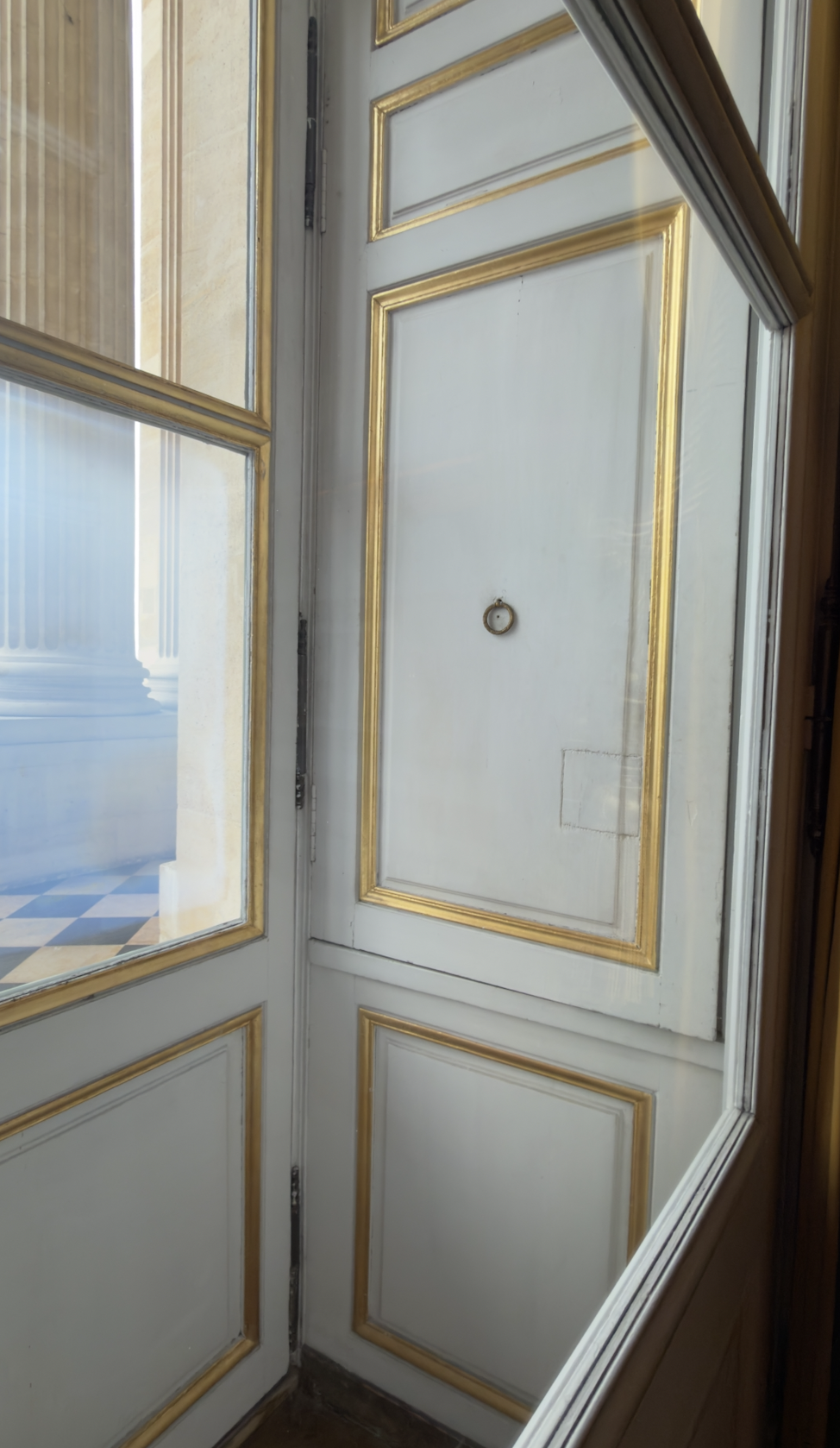
If only they actually opened that sealed door.
The ragtag group, bolstered by their arrogance of pulling off this crime three separate times, would meet at the Café Retours on the Rue des Fossés Saint Germain l’Auxerrois to recount the crime, separate the goodies, none of which they did quietly.
The last night of the crime, late on the 16th, now came with more than 50 people, including a few women. Drunk on the thrill of the moment as well as the wine they brought along with sausage, cheese, and baguettes. That night, they took it all; anything that remained was grabbed and put into their thieving pockets, but it wouldn’t end as smoothly as the other nights had.
Maybe it was the wine, but the crowd that remained below were whooping it up like it was the return of Les Blues after the 2018 World Cup win. This time, it got the attention of a National Guardsman a block away on the Rue Saint Honoré. Quickly stepping his way over, the crowd below ran. Inside, the thieves began to descend to the ground, right into the National Guardsmen.
Two thieves, Chambon and Douligny, were arrested on the spot and, when searched, were found with jewels and many hard stone vessels of jasper and jade. As well as a solid gold cross with emeralds and topazes. A few of the larger items, including the ship of Louis XIV, were left on the loggia, interrupted by the arrival of the National Guardsmen.
Their arrest began to unravel the entire crime.
While the rest of the thieves now worried about their own arrests, they attempted to sell off their jewels. Remember our police commissioner Pierre Nicolas Letellier, who, just three days before, believed they had a massive crime on their hands and alerted all the jewelers and goldsmiths to be on the lookout?
Most of the thieves, especially the ones who broke in the first three nights, were no strangers to the authorities. Claude Melchoir Cottet, a thief who had acquired many of the jewels and also talked about it with anyone he came across, began to worry he was about to be caught and wanted to get rid of the booty as soon as possible. Another crook, Lamy Évette, wasn’t involved in the theft itself but feared returning to prison; he offered to help fence the diamonds if he was dealt in on the profits. His worry got the best of him, and he told his mistress about the plan. Madame Corbin was also the mistress of the mayor of Paris, Jérome Pétion de Villeneuve, and passed on a deal from Lamy Evette: a complete pardon for his former crimes if he helped hand over the thieves.
The goldsmith Gerbu was also in on the plan and ready to take down the thieves. Cottet, with Lamy Evette, entered the shop and presented a bag of more than 60 diamonds of all sizes. Offering him a substantial amount of money, gave him a portion of the cash and told him to return the next day for the balance and, if he had more gems, bring those as well.
Cottet must have thought he hit the jackpot, and it was a fairly easy transaction. Meanwhile, Gerbu took the diamonds to Jean Marie Roland, minister of the Interior, who reimbursed him the money as well as giving him more to keep the charade going. He also gave the goldsmith the power to arrest the thieves on the spot.
On September 19, the thief, soon-to-be-pardoned fencer, and the goldsmith dined together. Our ever trusty Letellier arrived just after the cheese course to arrest the thief and take back the jewels.
In a turn of events, Cottet also decided to offer his help in finding more of the jewels if he was also granted a pardon. Now Letellier had two new buddies to help him track down the stolen jewels. The group visited the homes and cafes where they would gather, and one by one the thieves were discovered and rounded up.
Word spread quickly, not just about the hunt for the thieves but also about the deal that Cottet and Lamy Evette received. However, this was 1792; things spread a lot more slowly than they do now.
Cottet and Lamy Evette became vigilante detectives and took it upon themselves to find all their fellow thieves, even surpassing Letellier. They compiled a full list of names of every thief they knew. On September 26, they complained that not enough had been done to arrest and capture the culprits, but Commissioner Alizard disagreed and, in turn, arrested the two men who had been pardoned. Once they searched Cottet’s apartment, they found the diamond shoe buckles of Louis XVI, not quite the selfless avenger he portrayed himself to be.
After the arrest, the thieves kept turning on each other. This wasn’t the mastermind crew led by Danny Ocean, just a bunch of crooks in the right place and what ended up being the wrong time.
The first two arrested, Douigny and Chambon, were pulled before a judge on September 21 and charged with a conspiracy to overthrow the government and theft. With the threat of a death sentence hanging over their heads, they started to cough up a bit more information. More arrests followed, including two more leaders, Depeyron and Badarel, who also told the authorities where some of the loot was hidden.
In the small l’allée des Veuves, off of the Champs Élysées a box was buried by fellow thief Gallois that included pearls, emeralds, rubies, onyx, a solid gold figurine, as well as 104 diamonds.
By mid-October, most of the trials and sentences were coming to an end. Many were going to return to the Place de la Revolution, today's Concorde, this time for a date with the guillotine. As Francois Depeyron mounted the stairs, he pleaded to speak with the judge once more and said he had information on where some of the larger diamonds could be found.
Depeyron took the police to his small apartment on the cul de sac Sainte Opportune near Saint Germain l’Auxerrois. Reaching through the skylight over his bathroom, he pulled down two packages, including the Peach Flower diamond, the Grand Mazarin, and a pink five-panel 15 carat diamond, (the Hortensia). The most important find yet.
Cottet, who thought he got away with everything and garnered a pardon, was before the judge on November 7, 1792. In the end, he was tried for the crimes he thought he was cleared of, mostly because he greed took over and he had kept the stolen diamond buckles of Louis XVI. He met his fate on November 8, 1792.
As for the ringleader of the entire caper, Paul Miette, he was arrested at the start of October after Douligny's confession. At his trial on November 20, he was sentenced to death but was able to find a loophole. That same month, the courts of cassation were established, and Miette, along with many other criminals, could appeal their convictions. Seven of the men agreed to their role in the theft but stated in no way were they trying to overthrow the government. All of them were acquitted and escaped their death sentence but would spend several years in prison.
Months passed without any new discoveries of the crown jewels. But in April 1793, one of the most important jewels, still to this day, was found. The Regency diamond was discovered hiding in the home of Madame Morée and Lelièvre, a mistress of one of the men who broke into the garde meuble the first night and returned to Rouen. Bernard Salles had already greeted the guillotine, and his lovers had been locked up as well.
The legend of the Regent or Pitt diamond, as it was originally called, was that a worker at the Indian mine dug into a wound in his thigh, making it large enough to conceal the massive diamond and use it for what he would hope to be his freedom.
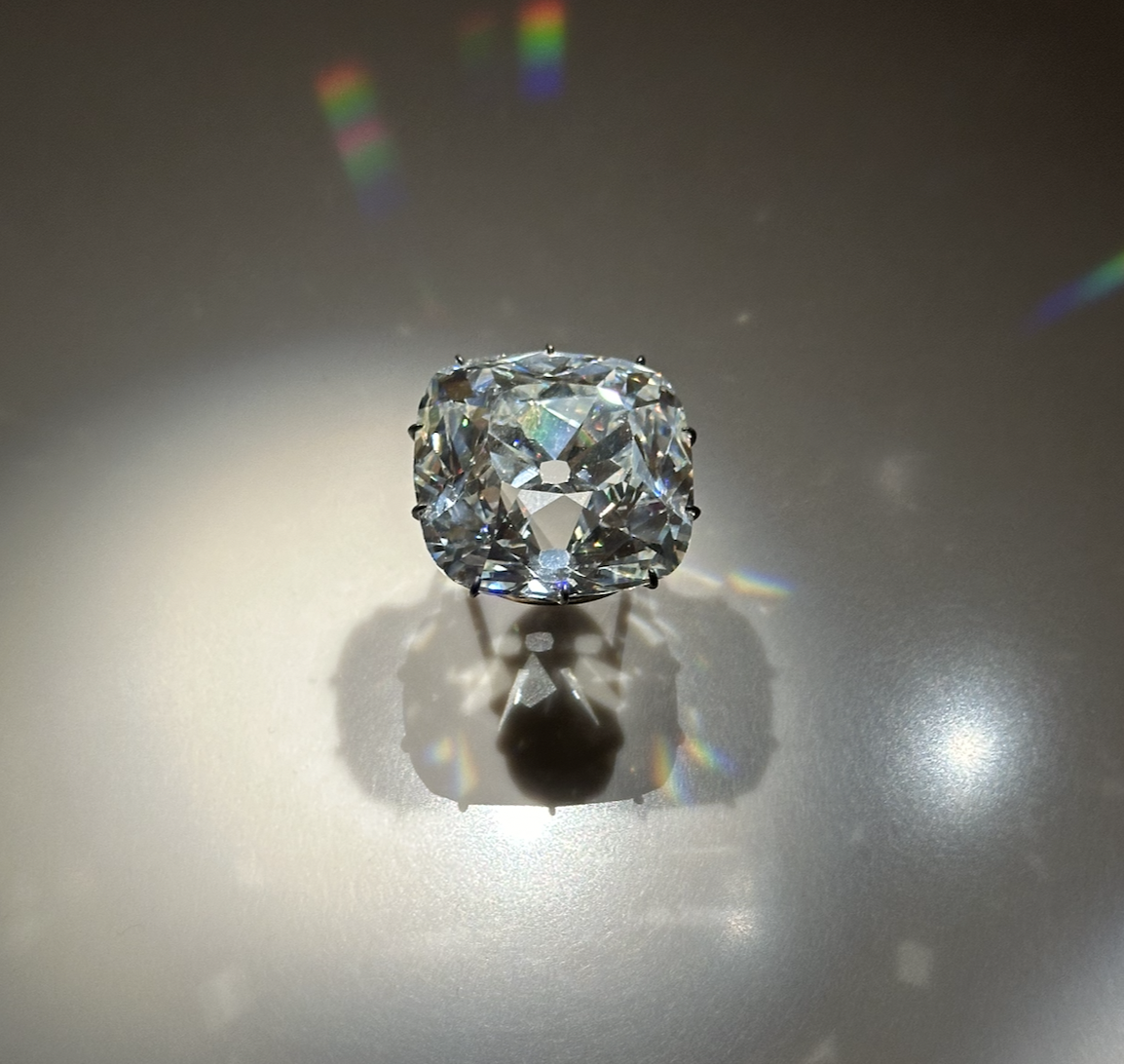
The Regent was found in 1793, hidden in a hole dug into a timber beam in the attic. Adding even more to the legend of the Regent.
In March 1794, more of the large stones were recovered, including the Sancy, Mirror of Portugal, the Mazarins, and the De Guise diamond. Other items found included the diamond encrusted Order of the Saint Esprit.
A good portion of the stones were found, but not everything. In the days after the theft, many jewelers used it to their advantage, buying as many jewels as possible at well below market price and then sending them to Germany and London. Quite a few stones found their way to Louis XVIII, then in exile. How is still greatly unknown, but he did return them to the Crown collection in what he thought was a grand moment of sacrifice.
There is one of the jewels that was stolen on the very first night that you just might have noticed has a much deeper history.
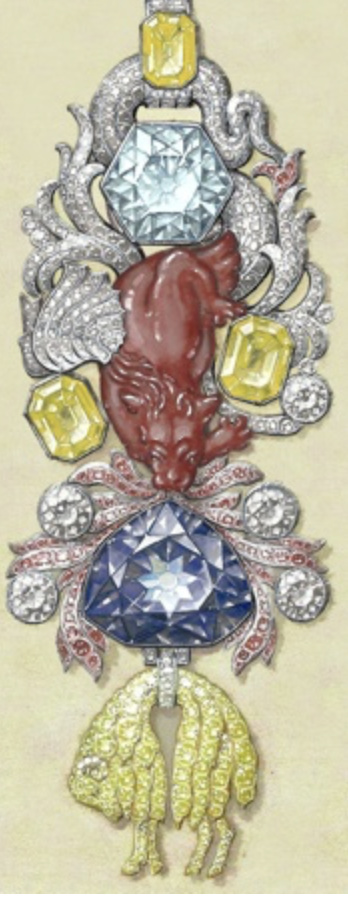
Claude Guillot and his merry gang of Rouen men nabbed the Golden Fleece that I mentioned, which included the red spinel Côte de Bretagne, a 32-carat Bazu diamond, as well as a 69-carat blue diamond worth three million livres, which converts to a TON of money. Guillot headed to Le Havre and jumped on a ship heading to London with the Golden Fleece hidden inside his jacket. He removed each stone, visited a few stores looking for buyers, and was quite successful.
That blue diamond was recut to 45 carats, and you know it today as the Hope Diamond, in the Smithsonian Institution in DC.
As for what was stolen and what we still have today, it is very little. The bulk of what was returned was sold in the sale of the crown jewels in 1887. (Check out episode 19 for more)
All but one of the surviving pieces of the Crown Jewels of 1792 that were once held in the Galerie d’Apollon escaped the theft of October 25, 2025. Placed in the farthest case that the thieves didn’t even touch, thankfully.
The Regent diamond, one of the most historic of all remaining jewels, as well as the Sully diamond, once known as the Mazarin I survived the 1792 theft but was later given to Madrid by the Directory under Napoleon, then found its way to William Waldorf Astor and was eventually purchased by the Louvre in 1976.
The five-sided pink Hortensia diamond, as well as the diamond-covered plaque of the Order of the Saint Esprit, are quite impressive, but a few others might not be as sparkly and are still very impressive.
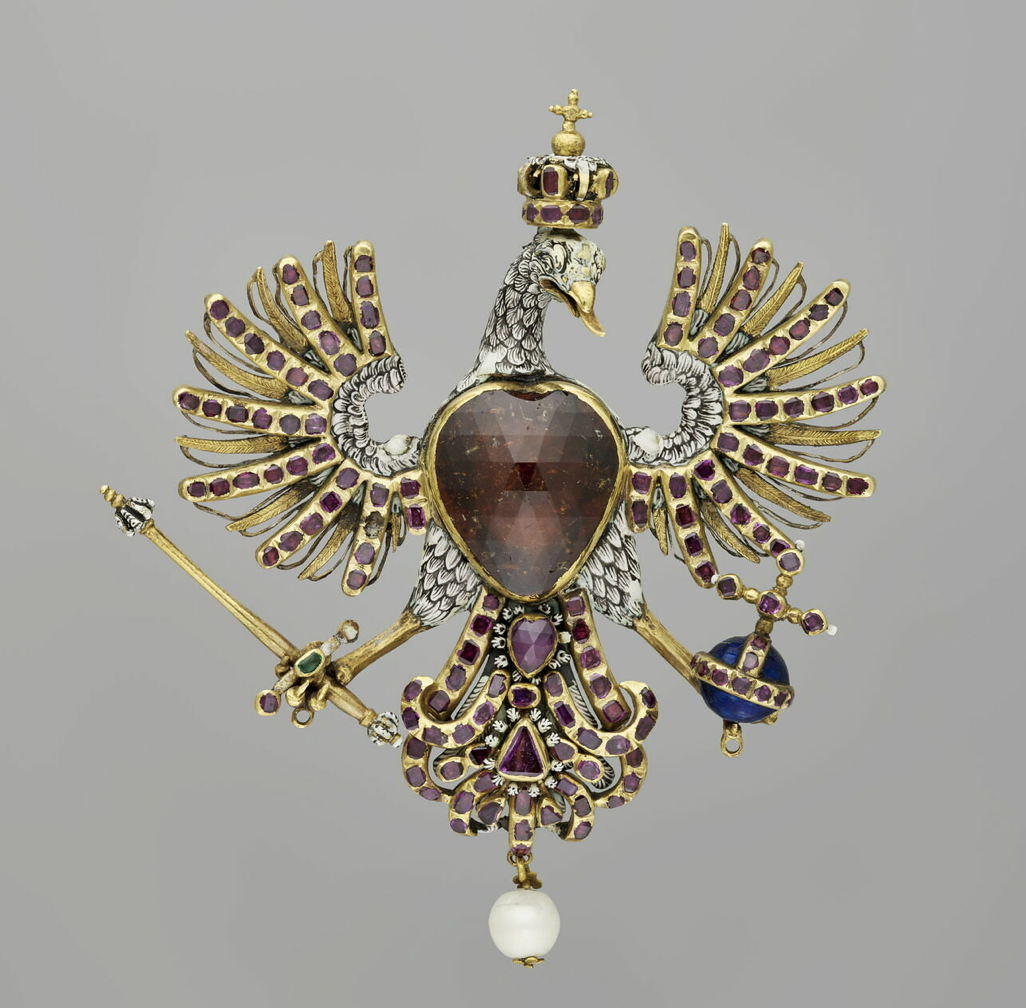
The Polish Eagle that dates to 1640 includes a large garnet in the center as the breast of the eagle, as well as 149 small rubies, an emerald, a pearl drop, and enameled details in white, blue, and black. It once hung on a chain around a teapot because even your porcelain deserves jewelry when you are the king of France. Stolen in 1792, it was recovered and then stolen again from the Louvre on July 29, 1830, during the Three Glorious Days, but luckily returned in 1832.
And last but not least, the red spinel Côte de Bretagne, one often overlooked but the most important, even more so than the Regent. When Francois I established the designation of the Crown Jewels on June 15, 1530, one of the eight items included this piece. The spinel once belonged to the family of his wife, Claude de France, who was the daughter of Anne of Brittany, who received it from her mother, Marguerite de Foix.
The spinel stone is sometimes called the “mother of the ruby”. The red hues vary, but the dragon spinel of the Louvre is a darkened raspberry color that is also a bit softer than a ruby. A majority of what we thought were rubies of the 16th century could, in fact, be spinels
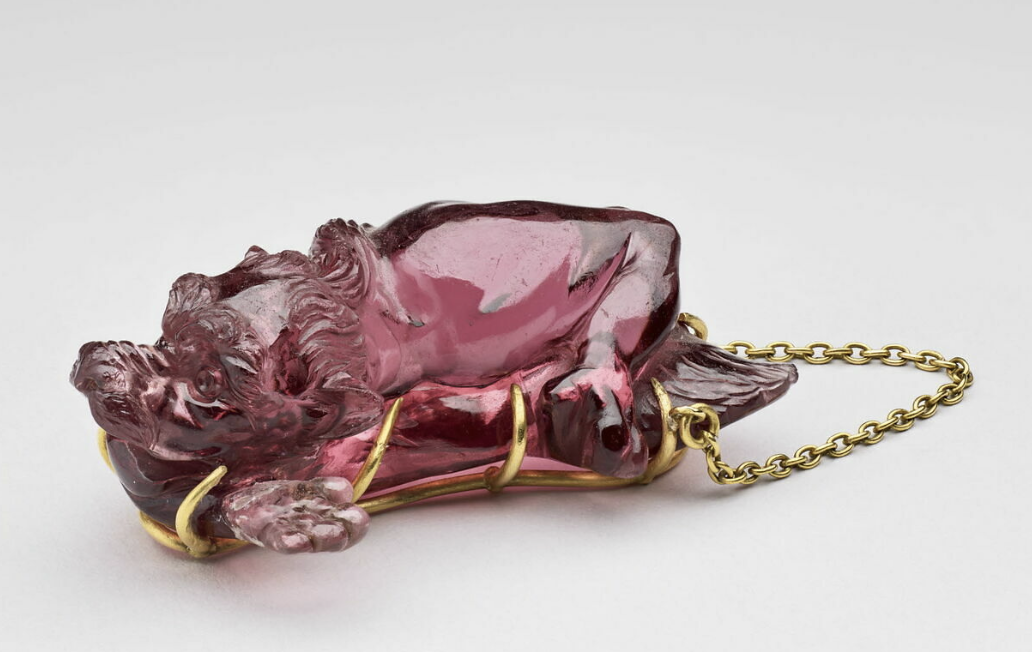
Louis XV had jeweler Jacques Guay turn it into a dragon to be placed in the Golden Fleece, which Claude Guillot stole in 1791. The shape made it hard to sell, so he asked fellow crook Lancry de la Loyelle to try to find a buyer. Lancry turned the tables on him and had him arrested. Even while in jail, he kept trying to find someone through the prison network to buy the spinel. Word eventually reached Louis XVIII through General Danican and a devout Royalist, who was looking for a little extra favor from what he hoped would be a returning king. The spinel was handed over to Louis XVIII, who kept it in his personal collection until his death, and the government returned it to the Crown Jewel collection.
Today these jewels are locked away in the bank until a new, more secure place can be created within the Louvre which may take many, many years.

As for the garde meuble, it eventually became the Hôtel de la Marine and the French Navy's head office in 1799. Much of the collection of furniture, carpets, and tapestries that filled the garde meuble was dispersed into the Musée du Louvre, the Musée des Arts Décoratifs, and into today's Mobilier National.
On June 10, 2021, the Hôtel de la Marine was opened to the public after ten years of discussion and restoration. You can visit it today, and it’s a must if you are in Paris. Open 7 days a week, the GPS headphone guided tour is fantastic and walks you through the many chapters that the historic structure has lived through. From the theft of the crown jewels, to its front-row seat to the guillotine and the death of the king and queen, to the Liberation of Paris that fought below the windows.
And they even left the window shade just as it was after the theft. It's the last window on the left.